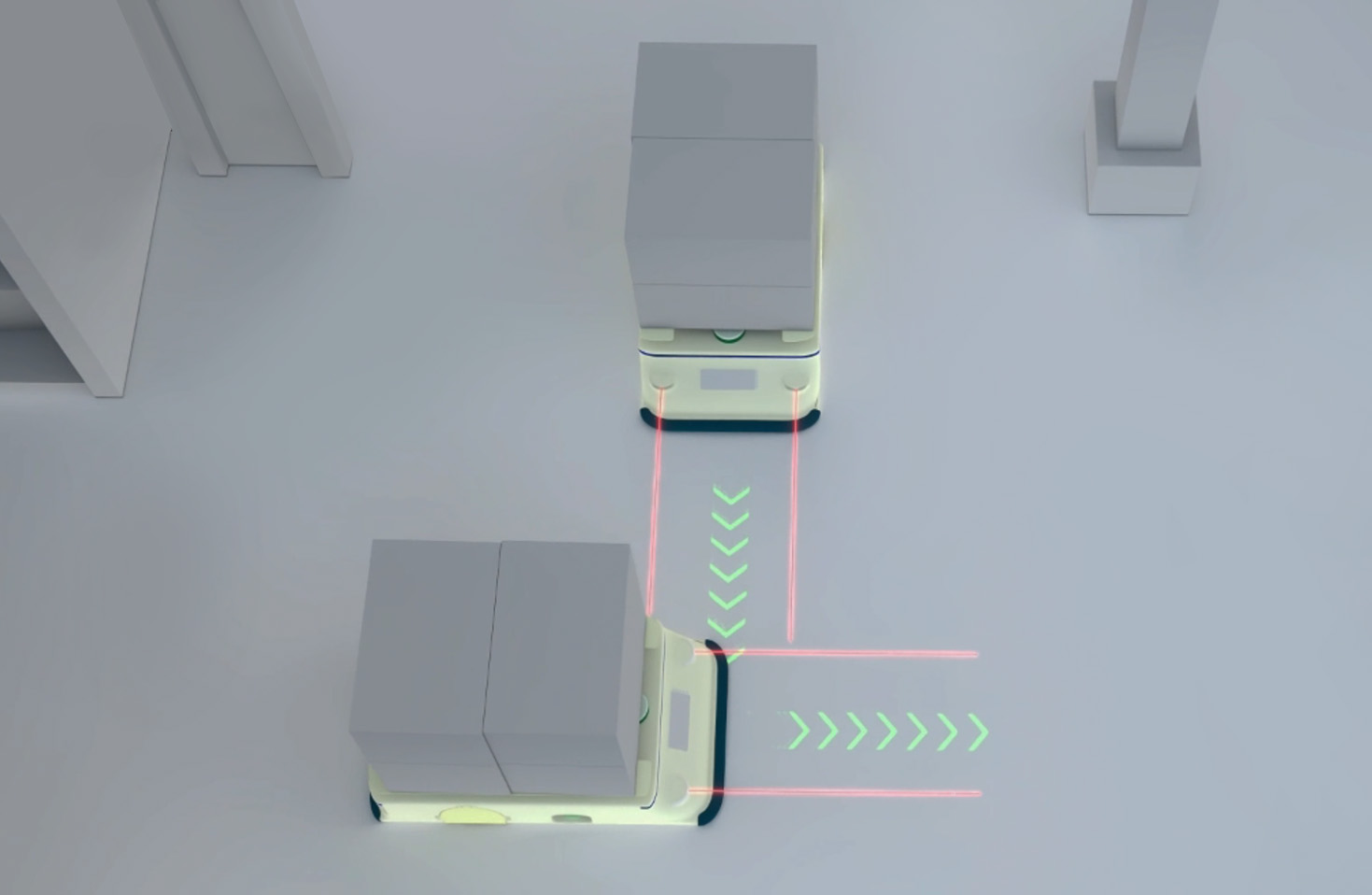
False triggering in laser sensors is a prevalent issue that can compromise system reliability, safety, and operational efficiency across various industrial applications. As a seasoned electrical engineer, I have observed that such malfunctions often stem from a combination of environmental factors, sensor design limitations, and improper integration. This article delves into the root causes, diagnostic approaches, and effective mitigation strategies for laser sensor false triggers, providing a comprehensive guide for professionals aiming to optimize sensor performance.
Laser sensors operate by emitting a focused light beam and detecting its reflection to measure distance, detect presence, or identify objects. Their high precision and speed make them indispensable in automation, robotics, and quality control. However, false triggers—where the sensor activates without a legitimate target—can lead to production errors, equipment damage, or safety hazards. Common culprits include ambient light interference, particularly from sources like sunlight or high-intensity lamps, which can saturate the sensor's receiver. Dust, smoke, or steam in the environment may scatter or reflect the laser beam, causing erroneous readings. Additionally, reflective surfaces near the sensing area, such as polished metal or glass, can bounce the beam back unexpectedly, mimicking a target presence.
Electrical noise is another critical factor. In industrial settings, electromagnetic interference (EMI) from motors, welding equipment, or power lines can disrupt sensor signals, leading to sporadic false triggers. Grounding issues or poor shielding in cabling exacerbates this problem. Sensor misalignment or incorrect mounting, often due to vibration or thermal expansion, can also alter the beam path, resulting in unreliable detection. Furthermore, inherent sensor limitations, like inadequate response time for high-speed applications or insufficient resolution for small objects, contribute to false triggering.
Diagnosing false triggers requires a systematic approach. Start by reviewing the operational environment: monitor ambient light levels, check for particulates, and inspect for reflective surfaces. Use an oscilloscope to analyze the sensor's output signal for noise or irregularities, and verify grounding and shielding integrity. Testing with controlled conditions—such as temporarily isolating the sensor from potential interference sources—can help identify specific causes. Logging sensor activity over time may reveal patterns linked to machinery cycles or environmental changes.
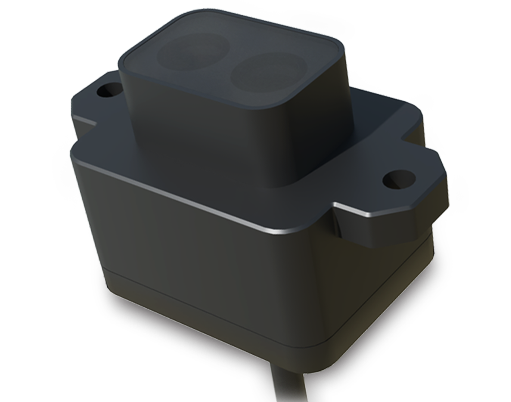
Mitigation strategies should address identified root causes. To combat ambient light interference, select sensors with modulated light sources or narrow-band filters that distinguish the laser beam from background illumination. Enclosures or shrouds can physically protect sensors from dust and steam, while air knives or purging systems keep the optical path clear. For reflective surfaces, adjusting the sensor angle or using polarized lenses minimizes stray reflections. In cases of EMI, employ shielded cables, ensure proper grounding, and install ferrite cores or filters on power and signal lines. Regular maintenance, including cleaning lenses and verifying alignment, prevents degradation over time.
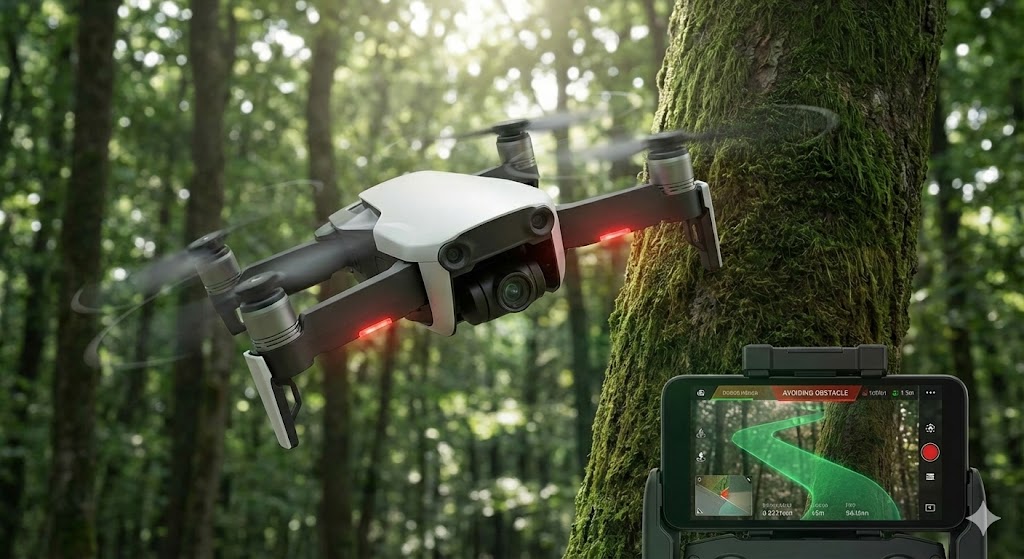
Choosing the right sensor for the application is paramount. Consider factors like sensing range, beam diameter, response time, and environmental ratings (e.g., IP67 for dust and water resistance). Advanced sensors with background suppression or teach-in functionality allow adaptive calibration to ignore irrelevant objects. Integrating sensors with programmable logic controllers (PLCs) enables software filtering, such as debouncing algorithms or delay settings, to validate triggers before initiating actions.
In summary, false triggering in laser sensors is a multifaceted challenge that demands proactive engineering. By understanding environmental influences, electrical dynamics, and sensor specifications, professionals can implement robust solutions to enhance reliability. Continuous monitoring and adaptation to changing conditions ensure long-term performance, supporting seamless automation and safety in modern industrial systems.