In the realm of industrial automation and control systems, proximity sensors play a pivotal role in enabling non-contact detection of objects. Among the diverse range of sensors available, the DH2 series stands out as a reliable and widely adopted solution. This article delves into the technical specifications, operational principles, common applications, and key considerations for selecting and implementing the DH2 proximity sensor.
The DH2 is typically an inductive proximity sensor. This type of sensor generates an electromagnetic field from its sensing face. When a metallic object enters this field, it induces eddy currents within the object, causing a change in the sensor's internal oscillation amplitude. This change is detected by the sensor's circuitry, which then triggers a solid-state output switch. The DH2 series is known for its robust construction, often featuring a nickel-plated brass or stainless-steel housing, making it suitable for demanding industrial environments with exposure to coolants, oils, and metal chips.
Key features of the DH2 proximity sensor include its sensing distance, output configuration, and electrical characteristics. The nominal sensing distance is standardized, for instance, a common model might offer a 2mm sensing range. It is crucial to note that this distance is calibrated for a standard target (usually mild steel). For other metals, a correction factor must be applied, as the sensing distance for non-ferrous metals like aluminum or copper is typically reduced. The output is usually in the form of a DC PNP (sourcing) or NPN (sinking) transistor, providing a clean switching signal compatible with programmable logic controllers (PLCs) and other control devices. Voltage ratings commonly span from 10-30V DC. Additionally, many DH2 models feature a built-in LED indicator that provides visual confirmation of the output state, greatly aiding in installation and troubleshooting.
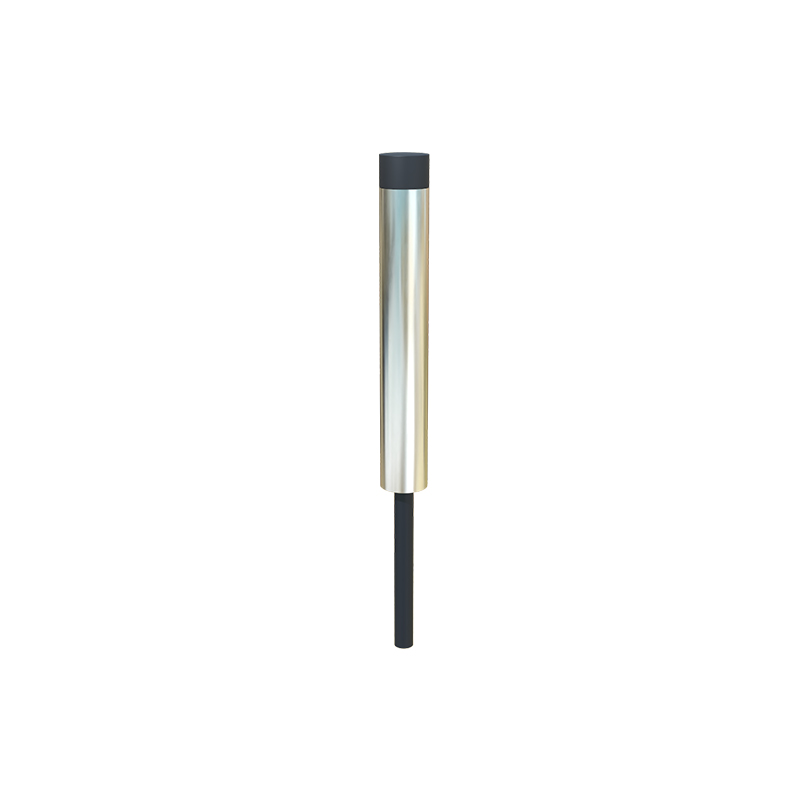
The application spectrum for the DH2 sensor is extensive. It is frequently employed in machine tools for tool positioning, part presence verification, and end-of-travel limit detection. In material handling systems, these sensors monitor the position of pallets, cranes, and actuators. They are integral to assembly lines for counting products, detecting metallic components, and ensuring proper orientation before a robotic operation. Their sealed design allows for use in areas requiring washdown, such as food and beverage packaging machinery. The non-contact nature of the DH2 eliminates mechanical wear, ensuring long-term reliability and maintenance-free operation compared to mechanical limit switches.
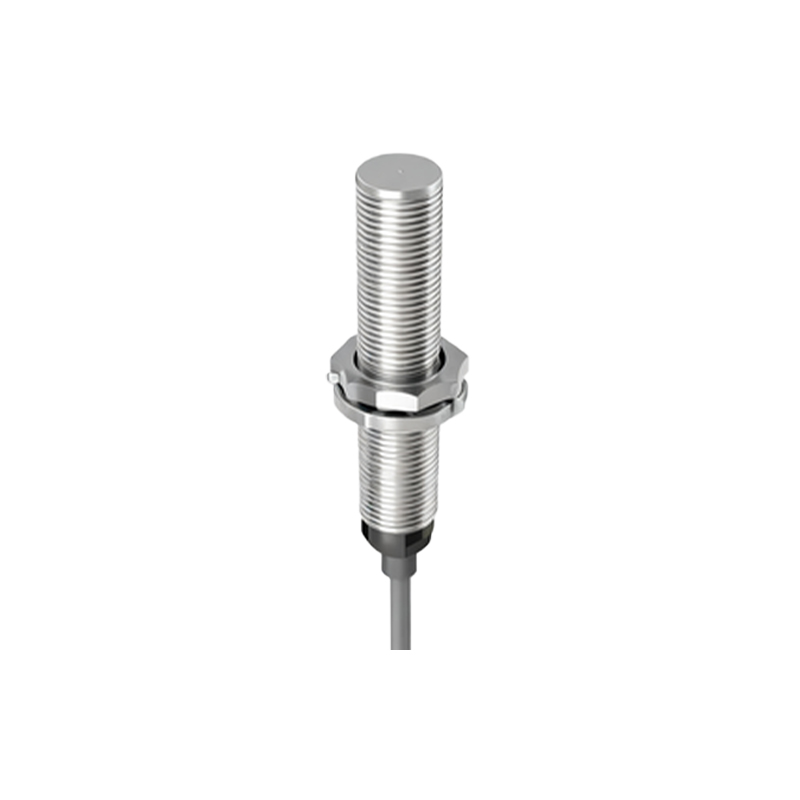
When selecting a DH2 sensor for a specific application, several factors must be evaluated. First, the material of the target object is paramount; the sensor must be chosen based on whether the target is ferrous or non-ferrous. Second, the required sensing distance should have a safety margin, typically 70-80% of the nominal rating, to account for installation tolerances and environmental variations. The physical size and thread type (e.g., M8, M12, M18) must match the mounting provisions. Environmental conditions such as ambient temperature, presence of strong magnetic fields, or conductive dust can influence performance and may necessitate sensors with specific protective ratings (e.g., IP67). Finally, the electrical interface—output type (PNP/NPN), wire connection (pre-wired or quick-disconnect), and cable length—must be compatible with the existing control system.
Installation and wiring are straightforward but require attention to detail. The sensor should be mounted securely to prevent vibration-induced errors. It is essential to ensure that only the target object enters the sensing field; surrounding metal structures (like the mounting bracket itself) can cause false triggering if they are within the sensor's effective range. This phenomenon, known as "shielding," often requires a specific installation distance from surrounding metals, as specified in the datasheet. For wiring, following the manufacturer's diagram is critical, especially to distinguish between PNP and NPN wiring schemes and to connect the correct polarity.
In conclusion, the DH2 proximity sensor represents a fundamental component in modern industrial automation. Its durability, accuracy, and versatility make it a go-to choice for engineers and technicians. By understanding its operating principles, carefully matching its specifications to the application requirements, and adhering to proper installation practices, users can leverage the DH2 to create robust, efficient, and reliable automated systems. As technology advances, the core functionality of sensors like the DH2 continues to be the bedrock upon which smarter, more interconnected factories are built.