In the industrial automation and electronics sectors, proximity sensors are critical components. They detect the presence or absence of objects without physical contact, enabling precise control in manufacturing, robotics, and safety systems. However, a growing and dangerous trend is threatening this reliability: the proliferation of counterfeit proximity sensors. These fake components, often sold at attractively low prices, pose severe risks to operations, safety, and financial stability.
Counterfeit proximity sensors are unauthorized replicas of genuine products from reputable brands like Omron, Sick, Schneider Electric, or Keyence. They are manufactured with substandard materials and processes, bypassing the rigorous quality control and testing that define authentic sensors. The primary driver for their existence is cost reduction, appealing to buyers under budget pressure. These fakes may look nearly identical to genuine units, with copied logos, model numbers, and packaging, making visual identification extremely difficult for the untrained eye.
The risks associated with using these counterfeit components are substantial and multifaceted. The most immediate is operational failure. A fake inductive or capacitive sensor may have inconsistent sensing ranges, poor repeatability, or higher susceptibility to environmental interference like temperature fluctuations or electromagnetic noise. This leads to unexpected machine downtime, causing production delays and costly interruptions. In critical applications, such as in automotive assembly lines or pharmaceutical packaging, a single sensor failure can halt an entire process, resulting in significant revenue loss.
Beyond operational issues, safety hazards are a paramount concern. Proximity sensors are often integral to machine safety systems, ensuring that guards are in place or that personnel are clear of dangerous moving parts. A counterfeit sensor may fail to detect an object or person, leading to potential equipment damage or, worse, serious injury. The liability for such incidents typically falls on the end-user or integrator, not the shadowy counterfeit supplier, leading to legal and reputational damage.
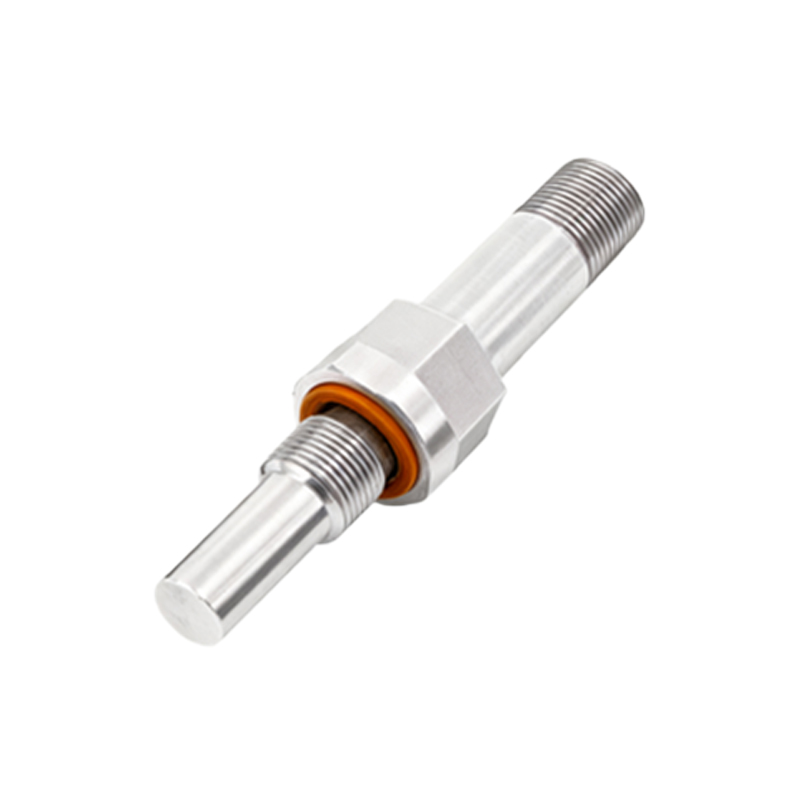
Financial loss extends beyond downtime. Counterfeit sensors typically have a much shorter lifespan, leading to frequent replacements and higher total cost of ownership. They can also cause collateral damage to other connected machinery. Furthermore, using counterfeit components almost always voids the warranty on the genuine equipment they are integrated into, leaving companies with no support for subsequent failures.
So, how can engineers, procurement specialists, and maintenance teams identify and avoid counterfeit proximity sensors? Vigilance is key, starting with the supply chain. Always purchase from authorized distributors or directly from the manufacturer. While the price may be higher, it is an investment in reliability and safety. Be wary of deals that seem too good to be true, especially on e-commerce platforms or from unknown suppliers.
Upon receipt, conduct a thorough inspection. Check the packaging for poor-quality printing, spelling errors, or flimsy materials. Examine the sensor itself. Genuine products have precise molding, clean logos, and consistent coloring. Counterfeits often exhibit rough edges, blurred markings, or slight differences in weight and dimensions. The quality of connectors and cables is another telltale sign; counterfeit units often use inferior plastics and metals.

Performance testing is the most reliable method. Compare the sensor's specifications—such as sensing distance, response time, and current consumption—against the official datasheet using calibrated equipment. A genuine sensor will perform consistently within its published tolerances, while a counterfeit will often show deviations, especially under stress tests like temperature cycling or vibration.
Manufacturers are fighting back with advanced anti-counterfeiting technologies. Many now incorporate unique serial numbers, holographic labels, or QR codes that can be verified on the company's official website. Some use specialized markings or materials that are difficult to replicate. Leveraging these verification tools is a crucial step in the procurement process.
Ultimately, building a culture of zero tolerance for counterfeits is essential. This involves educating all stakeholders—from purchasing to the factory floor—about the risks and identification techniques. Implementing strict procurement policies that mandate sourcing from approved vendors and requiring certification of authenticity can build a strong defensive barrier.
In conclusion, while the lure of cheap counterfeit proximity sensors is understandable in a competitive market, the true cost is unacceptably high. The risks to safety, productivity, and profitability far outweigh any short-term savings. By prioritizing supply chain integrity, investing in verification, and fostering awareness, industries can protect their operations from the hidden dangers of fake components and ensure the seamless, safe functionality that modern automation demands.