In the complex and safety-critical world of aviation, situational awareness is paramount. Among the myriad of systems ensuring the safe operation of an aircraft, proximity sensors play a silent yet vital role. These devices, often unnoticed by passengers, are fundamental components that detect the presence or absence of objects, monitor positions of moving parts, and provide critical data to flight control systems. Their primary function is to prevent contact between aircraft components or between the aircraft and external objects, thereby averting potential damage or catastrophic failure.
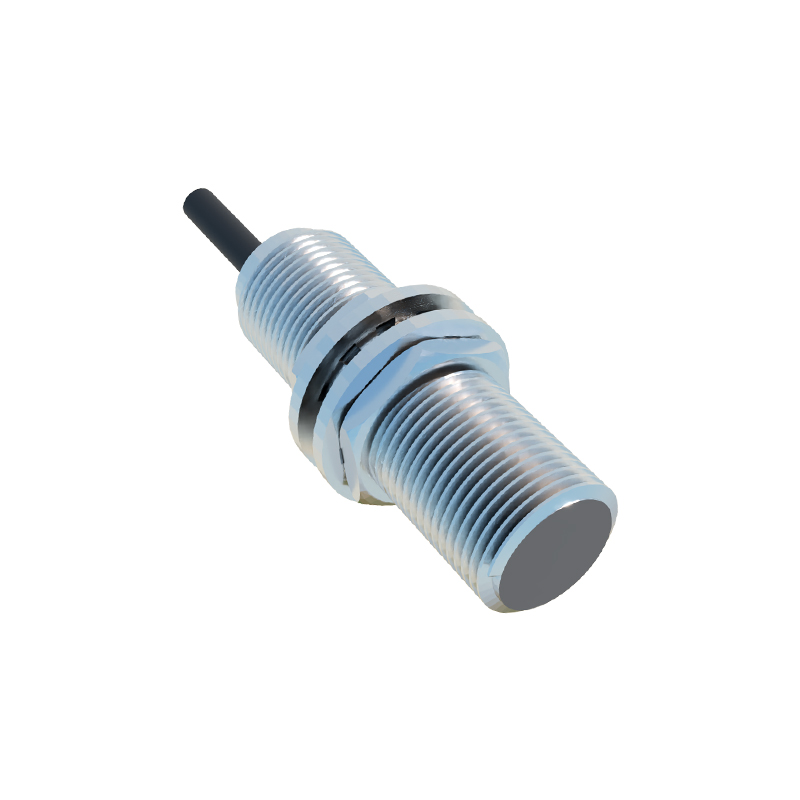
Aircraft proximity sensors are not a single technology but a family of devices utilizing different physical principles to achieve detection. The most common types include inductive, capacitive, and optical sensors. Inductive sensors are widely used for detecting metallic components, such as landing gear doors or thrust reversers. They generate an electromagnetic field; when a metallic object enters this field, it induces eddy currents, which are detected by the sensor, signaling the object's presence. These are robust, reliable, and unaffected by dirt or moisture, making them ideal for harsh undercarriage environments.
Capacitive sensors, on the other hand, can detect both metallic and non-metallic objects by measuring changes in capacitance. They are often employed in applications like fluid level sensing in tanks or detecting the position of composite material components. Optical sensors, including infrared and laser-based systems, use light beams to detect objects. They offer high precision and are used for tasks such as monitoring engine turbine blade tip clearance or detecting obstacles during ground maneuvering in some advanced systems. Each type is selected based on factors like required sensing range, environmental conditions, target material, and reliability needs.
The applications of these sensors are extensive and deeply integrated into aircraft systems. One of the most critical uses is in the landing gear system. Proximity sensors confirm whether the landing gear is fully extended and locked in position before landing, or fully retracted after takeoff. This information is displayed to the pilots and is crucial for flight safety. Similarly, sensors monitor the position of flaps, slats, and spoilers, ensuring these high-lift and control surfaces are in the commanded position. In engines, proximity sensors monitor the health and position of critical rotating assemblies, helping to prevent blade rubs and other internal failures.
Beyond moving parts, these sensors contribute to ground safety. They can be part of systems that warn pilots of nearby obstacles during taxiing on congested aprons. While not a replacement for visual checks and ground personnel, they add an extra layer of awareness. Furthermore, in modern fly-by-wire aircraft, sensor data regarding control surface positions is continuously fed to flight control computers, which process this information to provide stable and predictable handling characteristics.
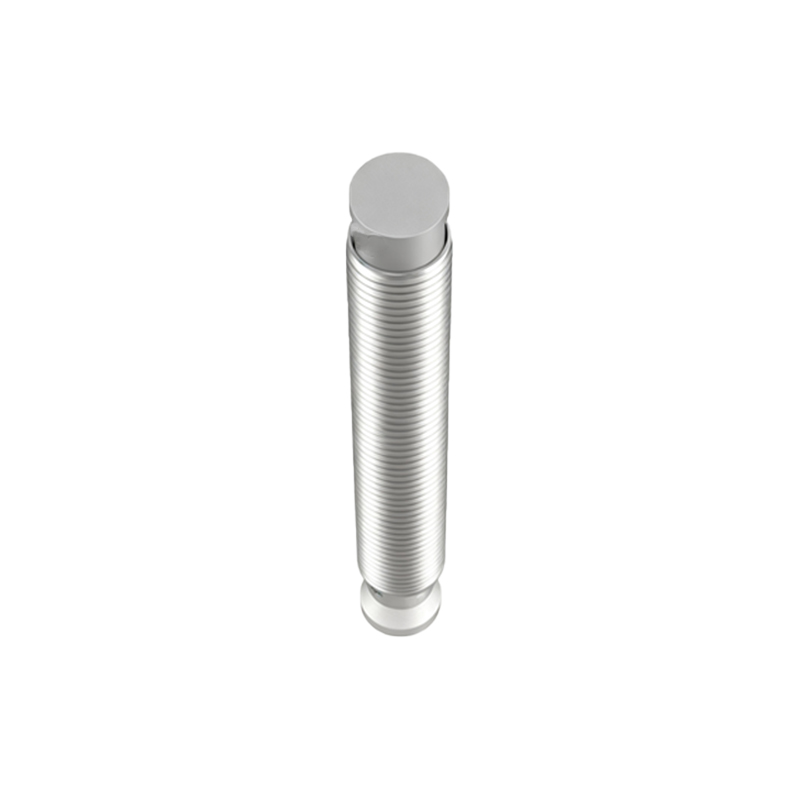
The design and certification of aircraft proximity sensors are governed by rigorous standards. They must operate reliably across an extreme range of temperatures, from the bitter cold of high altitude to the heat generated by engines and brakes. They must withstand vibrations, shocks, electromagnetic interference, and exposure to fluids like hydraulic oil, jet fuel, and de-icing fluid. Redundancy is a key design principle; critical systems often employ multiple, independently operating sensors to ensure that a single point of failure does not compromise safety. Maintenance procedures include regular checks and functional tests to verify sensor accuracy and performance.
The evolution of this technology continues. Traditional sensors are being supplemented or replaced by more advanced solutions. "Smart sensors" with embedded microprocessors can perform self-diagnostics, communicate digitally over data buses, and provide more detailed health information to maintenance systems, aiding in predictive maintenance strategies. Research is also ongoing into more robust and miniaturized sensor technologies that can be placed in even more locations to enhance overall aircraft system monitoring.
In essence, aircraft proximity sensors are the unseen sentinels of aviation. They provide the essential digital "touch" that informs the aircraft's brain—its integrated avionics systems—about the state of its physical components. From ensuring the wheels are down for a safe landing to confirming that engine parts are moving within safe tolerances, these devices are integral to the layered safety architecture that makes modern air travel remarkably safe. Their continuous, reliable operation is a testament to precision engineering and a critical contributor to the trust we place in every flight. As aviation technology advances towards more autonomous operations and novel aircraft designs, the role of accurate, reliable proximity sensing will only become more pronounced.