In the world of industrial automation and machine design, proximity sensors are the unsung heroes, providing critical non-contact detection for countless applications. From assembly lines to robotic arms, their reliability directly impacts system uptime and efficiency. A common and crucial question we face as engineers is: which proximity sensor is truly the best? The definitive answer, as with most engineering challenges, is: it depends. The "best" sensor is the one most perfectly suited to your specific application's requirements. This guide will dissect the major types of proximity sensors—inductive, capacitive, ultrasonic, and photoelectric—to help you make an informed, optimal selection.
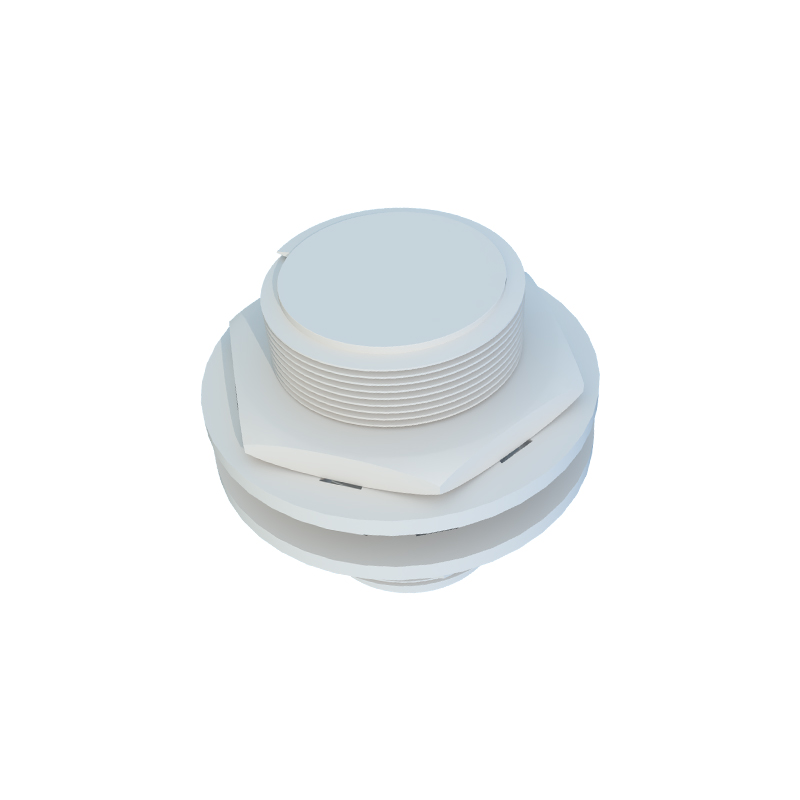
First, let's consider the workhorse of metal detection: the inductive proximity sensor. These sensors generate an electromagnetic field and detect the eddy current losses caused when a metallic target enters this field. Their key strengths are exceptional reliability, high switching frequency, and robustness in harsh environments filled with dust, oil, or coolant. They are virtually immune to non-metallic substances. For detecting steel, aluminum, or brass parts on a conveyor, an inductive sensor is often the undisputed best choice. However, their limitation is clear: they cannot detect non-metallic objects like plastic, wood, or liquids.
This is where capacitive proximity sensors enter the picture. They function by generating an electrostatic field and sensing the change in capacitance when any material with a dielectric constant different from air approaches. This makes them versatile for detecting a vast range of materials: plastics, glass, wood, paper, and even liquids or granular materials through non-metallic container walls. They are ideal for level detection in tanks or presence detection of packaged goods. Their main drawback is potential susceptibility to environmental changes like humidity or temperature, which can affect the dielectric constant and require careful tuning.
For applications requiring precise distance measurement or detection of objects at greater ranges, ultrasonic sensors offer a powerful solution. They operate on the time-of-flight principle, emitting high-frequency sound pulses and measuring the time for the echo to return. They excel at detecting objects regardless of color, transparency, or material, making them perfect for clear glass bottles, transparent films, or irregularly shaped items. They are also excellent for continuous level monitoring in bulk solid or liquid applications. Challenges can include false echoes from complex backgrounds and potential interference from temperature gradients or air turbulence.
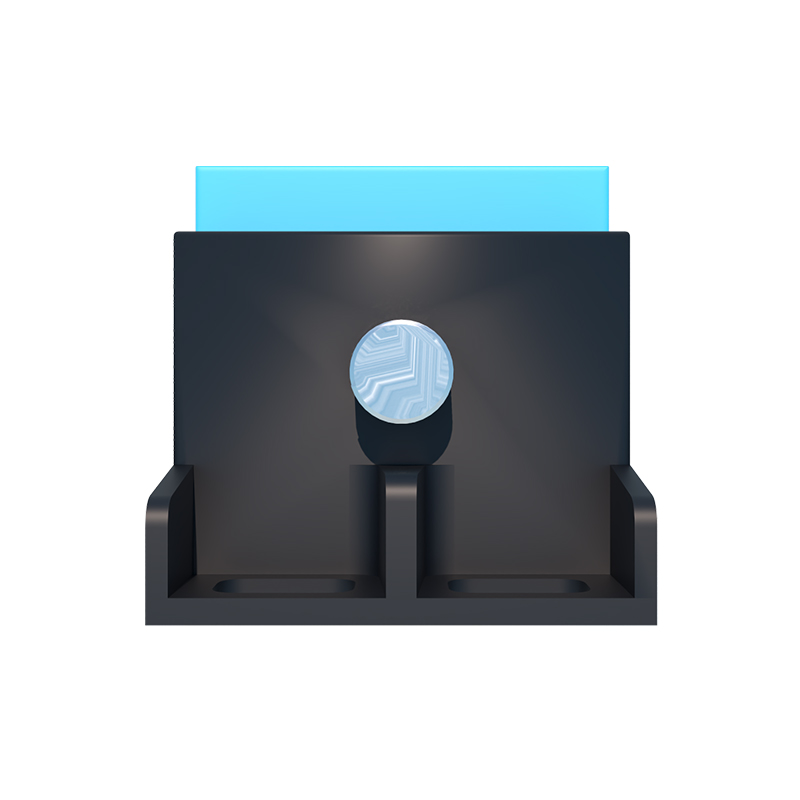
Photoelectric sensors, using a beam of light (visible, infrared, or laser), provide the longest sensing distances and highest precision among standard proximity sensors. They come in three main configurations: through-beam (separate emitter and receiver), retro-reflective (with a reflector), and diffuse (reflective). Through-beam sensors offer the highest reliability for precise detection over long distances. Diffuse sensors are popular for detecting objects at a defined distance without a separate reflector. Photoelectric sensors are superb for small part detection, color differentiation, and transparent object sensing. Their performance can be compromised by ambient light, dust, fog, or dirt on the lens, requiring regular maintenance in dirty environments.
So, how do you determine the "best" for your project? Follow this systematic approach:
1. Target Material: Is it metallic? Inductive. Non-metallic? Consider capacitive, ultrasonic, or photoelectric.
2. Sensing Distance: What is the required range? Inductive and capacitive are typically short-range (<60mm). Ultrasonic and photoelectric offer medium to long-range.
3. Environmental Conditions: Will there be dust, moisture, oil, vibration, or temperature extremes? Inductive sensors are famously rugged. Enclosure ratings (IP67, IP69K) are critical here for all types.
4. Output Requirements: Do you need a simple digital switch (PNP/NPN), analog output (4-20mA, 0-10V) for distance proportionality, or a serial communication protocol like IO-Link for advanced diagnostics and parameterization?
5. Speed & Precision: What is the required response time and repeat accuracy? High-speed counting demands fast sensors like inductive or photoelectric.
6. Installation & Cost: Consider physical space constraints, wiring needs, and overall budget. Often, a slightly more expensive, more reliable sensor saves significant cost in downtime.
In conclusion, labeling one sensor type as universally "best" is a misconception. The inductive sensor is best for rugged metal detection. The capacitive sensor is best for versatile material detection. The ultrasonic sensor is best for challenging materials and level control. The photoelectric sensor is best for long-range, high-precision applications. The true mark of engineering excellence is meticulously matching the sensor's capabilities to the application's demands. Always consult specific datasheets, perform real-world testing if possible, and consider future-proofing your design with smart sensors that offer diagnostic data. The right choice ensures reliability, efficiency, and longevity for your automated system.
SEO关键词