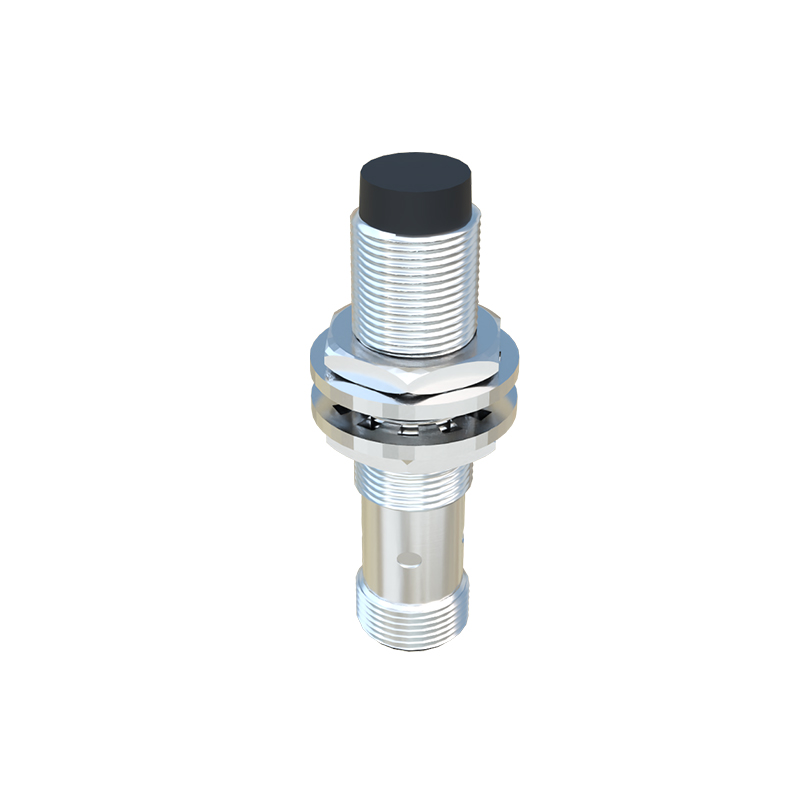
Proximity sensors are pivotal components in modern industrial automation, enabling non-contact detection of objects and facilitating seamless integration with various devices. These sensors, including inductive, capacitive, and ultrasonic types, operate by generating electromagnetic fields or sound waves to detect the presence, absence, or position of metallic or non-metallic targets without physical contact. Their robustness and reliability make them ideal for harsh environments where dust, moisture, or temperature fluctuations are common.
The integration of proximity sensors into industrial systems hinges on proper device connectivity, which ensures accurate data transmission and real-time control. Typically, sensors connect to programmable logic controllers (PLCs), human-machine interfaces (HMIs), or industrial PCs via standard interfaces such as IO-Link, PROFINET, Ethernet/IP, or analog/digital outputs. IO-Link, for instance, offers smart sensor capabilities by enabling bidirectional communication, allowing for parameter configuration, diagnostics, and status monitoring directly from the control system. This enhances predictive maintenance and reduces downtime by alerting operators to potential issues like sensor misalignment or contamination.
When connecting proximity sensors, engineers must consider electrical compatibility, wiring schemes, and environmental factors. For example, two-wire DC sensors simplify installation but may have lower switching capacities, while three-wire versions provide better performance with separate power and signal lines. Shielding cables is crucial in electrically noisy environments to prevent interference that could cause false triggers. Additionally, mounting position and sensing range adjustments are vital to optimize detection accuracy—sensors should be placed to avoid mutual interference in dense installations, and their sensing distances must account for target material and size.
In practice, proximity sensors interface with actuators, motors, and safety devices to automate processes like assembly line sorting, robotic guidance, or machine guarding. For instance, in conveyor systems, inductive sensors detect metal parts to trigger sorting mechanisms, while capacitive sensors identify non-metallic materials like plastics or liquids. Ultrasonic sensors excel in distance measurement applications, such as monitoring fill levels in tanks. Integration often involves ladder logic programming in PLCs, where sensor inputs control output actions based on predefined logic, ensuring synchronized operation across the automation network.
Emerging trends, such as Industry 4.0, are driving the adoption of wireless connectivity and IoT-enabled proximity sensors. These advancements allow for remote monitoring and data analytics, integrating sensor data into cloud platforms for optimization and efficiency gains. However, challenges like cybersecurity risks and signal latency must be addressed. Overall, effective proximity sensor integration relies on selecting the right sensor type, ensuring robust connectivity, and adhering to industry standards like IEC 60947-5-2 for performance and safety. By mastering these aspects, engineers can enhance system responsiveness, reduce maintenance costs, and boost productivity in automated facilities.