In the rapidly evolving landscape of industrial automation and electrical systems, metal proximity switch sensors are ubiquitous components. These non-contact sensors, crucial for detecting the presence of metallic objects in machinery, conveyors, and safety systems, eventually reach their end-of-life (EOL). As an electrical engineer with decades of field experience, I assert that responsible recycling of these devices is not merely an environmental consideration but a technical and economic imperative for our industry. The process, when executed correctly, aligns with circular economy principles, recovers valuable materials, and mitigates hazardous waste.
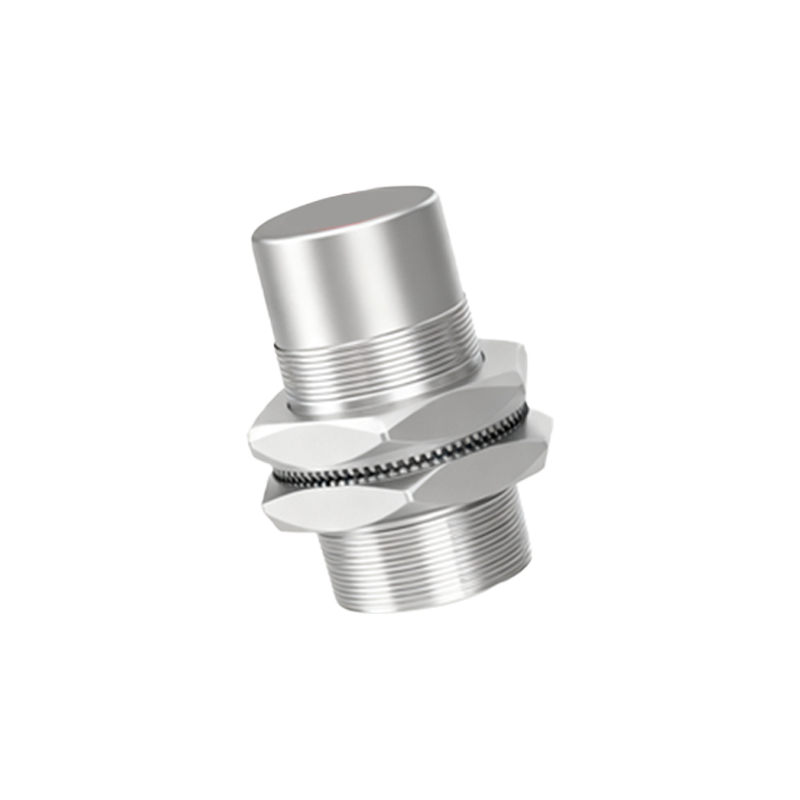
A standard inductive metal proximity sensor comprises several key parts: a ferrite core with a coil, an oscillator, a trigger circuit, a solid-state switching element (often in a TO-92 or similar package), a housing (typically nickel-plated brass or stainless steel), and cabling. This composition presents both a challenge and an opportunity. The challenge lies in the mix of materials—precious metals in electronic components, base metals in housings, and potential contaminants. The opportunity is the significant recovery yield possible through systematic disassembly and processing.
The recycling journey begins with proper decommissioning and collection. Technicians must safely disconnect sensors from control systems, often PLCs, following lock-out/tag-out (LOTO) procedures. Collected units should be sorted based on housing material (e.g., brass vs. stainless steel) and size. This initial sorting streamlines downstream processes. The next critical phase is manual or semi-automated disassembly. While fully automated recycling for such small, varied components is not yet cost-effective, focused manual disassembly by trained personnel yields the highest purity material streams. The metal housing, often high-grade and corrosion-resistant, is separated. This material alone holds substantial scrap value and can be directly remelted for new castings.
The internal printed circuit board (PCB), though small, is a concentrate of value and concern. It contains copper traces, tin-lead or lead-free solder, and microelectronic components. Specialized e-waste recyclers employ processes like shredding, magnetic separation, and eddy current separation to isolate ferrous and non-ferrous metals. More advanced facilities use hydrometallurgical or pyrometallurgical methods to recover trace amounts of gold, silver, and palladium from integrated circuits and contacts. The ferrite core, containing iron oxides and other ceramics, is typically processed separately.
The plastic components, such as sensor face fronts or cable insulation, are less valuable but must be handled properly. If separable, they can be granulated and recycled, provided they are not contaminated with oils or coolants—a common issue in industrial environments. Sensors used in harsh conditions may contain seals or internal components contaminated with lubricants or metal shavings, requiring pre-cleaning.
From an engineering perspective, designing for disassembly (DfD) is a forward-looking solution. Manufacturers can contribute significantly by using standardized screws instead of permanent adhesives, marking plastic types for easy identification, and minimizing the use of composite materials. Some progressive manufacturers are already offering take-back programs, recognizing the value in reclaiming materials from their products.
The economic rationale is compelling. Recovering copper, brass, stainless steel, and even minute amounts of precious metals reduces the need for virgin mining, which is energy-intensive and environmentally damaging. For large industrial facilities or OEMs, accumulating a critical mass of EOL sensors can generate a non-negligible revenue stream from scrap dealers specializing in industrial electronics. More importantly, it ensures compliance with stringent international regulations like the EU's WEEE (Waste Electrical and Electronic Equipment) Directive and RoHS (Restriction of Hazardous Substances), avoiding potential fines.
Furthermore, proper recycling prevents hazardous substances, such as lead from older solder or brominated flame retardants in PCBs, from leaching into landfills. It is a direct contribution to corporate social responsibility (CSR) goals and sustainable development targets.
In practice, establishing a recycling protocol involves several steps. First, conduct an audit to estimate annual EOL sensor volume. Second, partner with a certified e-waste recycler (look for R2 or e-Stewards certification) who can provide documentation of material recovery and final disposition. Third, train maintenance and procurement staff on the collection and sorting procedures. Finally, consider the environmental impact in the procurement phase by evaluating suppliers based on their sustainability practices and DfD efforts.
In conclusion, the recycling of metal proximity switch sensors is a sophisticated, multi-stage process that demands technical understanding. It transcends simple waste disposal, representing a responsible lifecycle management strategy. For electrical engineers and plant managers, integrating this practice is a logical step towards more sustainable and economically sound industrial operations. By recovering embedded resources, we not only conserve raw materials but also reinforce the industry's commitment to environmental stewardship and technological responsibility.