Proximity sensors are fundamental components in modern industrial automation, providing non-contact detection of metallic or non-metallic objects. Among their key performance parameters, sensing frequency—often referred to as switching frequency or response frequency—plays a critical role in determining the suitability of a sensor for high-speed applications. This article delves into the technical aspects of sensing frequency, its influencing factors, and practical considerations for selection and optimization.
Sensing frequency is defined as the maximum number of detection cycles a proximity sensor can perform per second, typically measured in Hertz (Hz). It represents how quickly the sensor can detect an object, output a signal, reset, and be ready for the next detection. For instance, a sensor with a sensing frequency of 1 kHz can theoretically handle up to 1,000 operations per second. This parameter is crucial in high-speed production lines, packaging machinery, robotic assembly, and sorting systems where rapid object detection directly impacts throughput and efficiency.
Several intrinsic and extrinsic factors influence the achievable sensing frequency. The operating principle of the sensor is primary. Inductive proximity sensors, designed for metallic targets, generally offer high frequencies, often ranging from 100 Hz to 5 kHz, with some high-performance models exceeding 10 kHz. Their oscillation circuit's damping and subsequent signal processing speed set the limit. Capacitive sensors, used for non-metallic materials, typically have lower frequencies due to the different physical sensing mechanism.
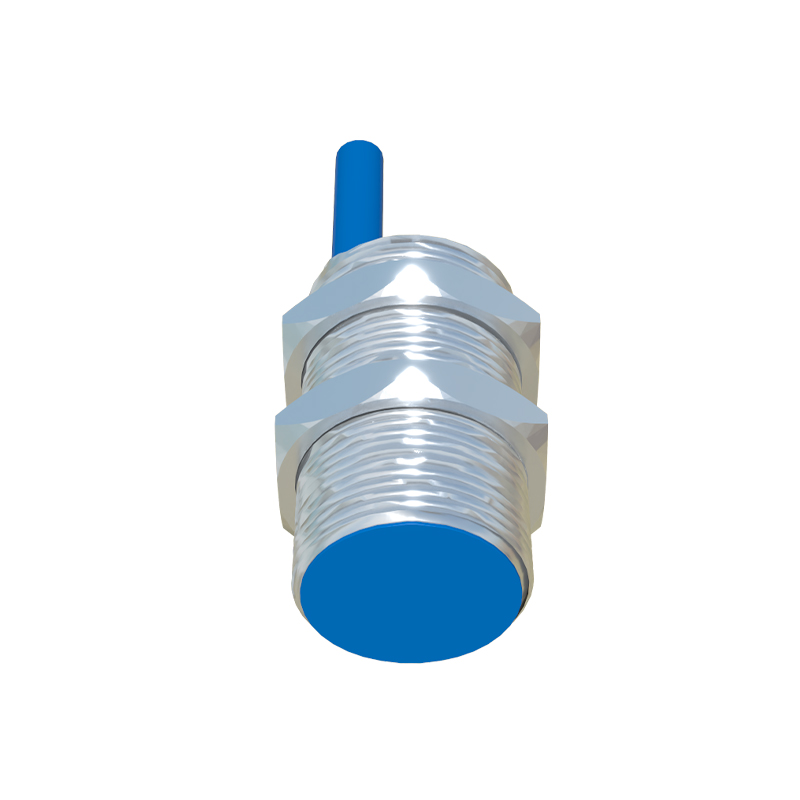
Sensor design and circuitry significantly impact performance. The size of the sensing coil or active surface, oscillator stability, and the type of output stage (e.g., NPN/PNP transistor) are key. Smaller sensors often achieve higher frequencies due to reduced coil inductance and faster field collapse. The output configuration also matters; a short-circuit protected output may introduce a slight delay compared to a non-protected one. Furthermore, the nature of the output signal—whether it is a standard digital switch, a push-pull, or an analog output—affects the response time.
External conditions cannot be overlooked. The target material, size, and approach speed are critical. For inductive sensors, different metals (steel, aluminum, copper) have varying effects on the oscillation damping, thus influencing the response. A standard target (usually mild steel) of a specified size is used for rating the frequency. Smaller or thinner targets, or those made of non-ferrous metals, may require a reduced operating distance or result in a lower effective frequency. The speed and trajectory of the target must align with the sensor's capabilities; a target moving too fast might pass through the sensing field before the sensor can trigger.
Environmental factors like temperature extremes, electrical noise, and voltage supply stability can also degrade performance. High temperatures can affect electronic component speed, while electromagnetic interference might cause false triggering or require additional filtering, adding latency.
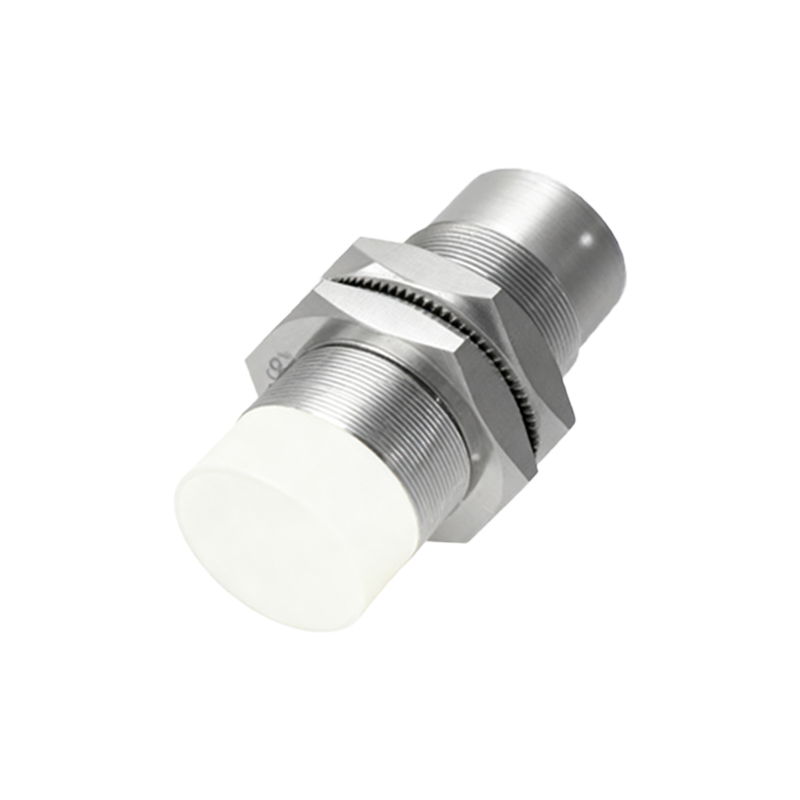
Selecting the right sensor involves balancing sensing frequency with other requirements like sensing distance, environmental robustness, and physical size. A common mistake is over-specifying the frequency, which might lead to unnecessary cost or compromise on other features like longer sensing ranges. Engineers must calculate the required frequency based on the maximum object speed and the minimum gap between objects. For example, if objects on a conveyor pass at 5 meters per second and are spaced 10 mm apart, the required sensing frequency would be (Speed / Gap) = 5000 mm/s / 10 mm = 500 Hz. A safety factor (e.g., 1.5 to 2 times) is then applied.
Installation and setup are vital for achieving rated performance. Proper alignment, ensuring the target approaches the sensor head perpendicularly within the specified sensing zone, is essential. Shielding (embedding) the sensor in metal may reduce its effective sensing distance but can sometimes improve immunity to side-by-side interference in dense installations. Regular maintenance, including cleaning the sensing face from debris and checking for mechanical wear, ensures consistent operation.
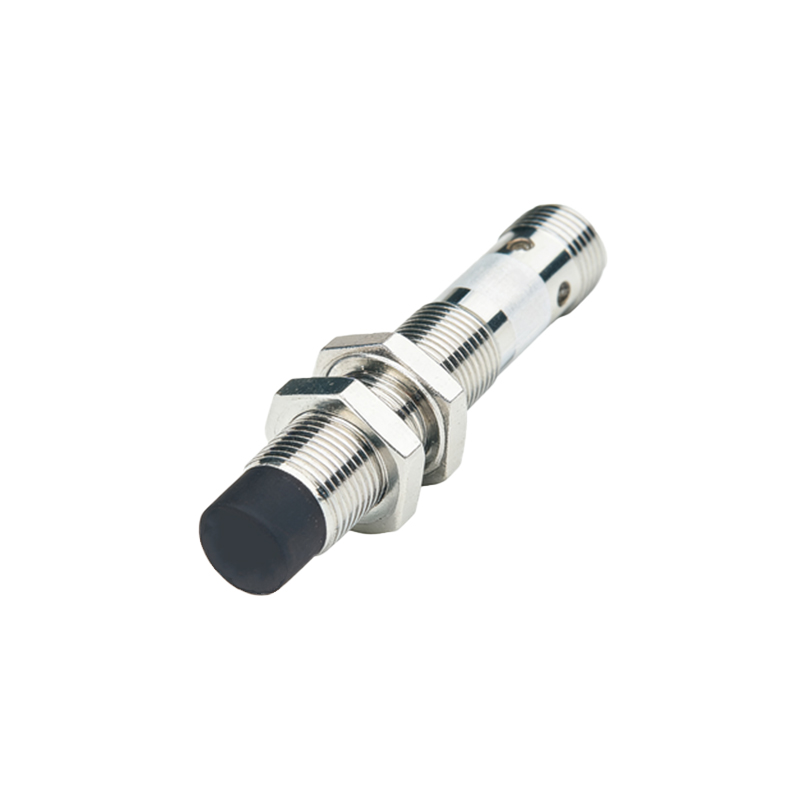
In conclusion, understanding and correctly applying the concept of sensing frequency is paramount for optimizing automated systems. By considering the sensor technology, target characteristics, environmental conditions, and precise application needs, engineers can ensure reliable, high-speed detection, thereby enhancing overall system productivity and reliability. As technology advances, sensors with higher frequencies and integrated smart features continue to push the boundaries of what is possible in industrial automation.