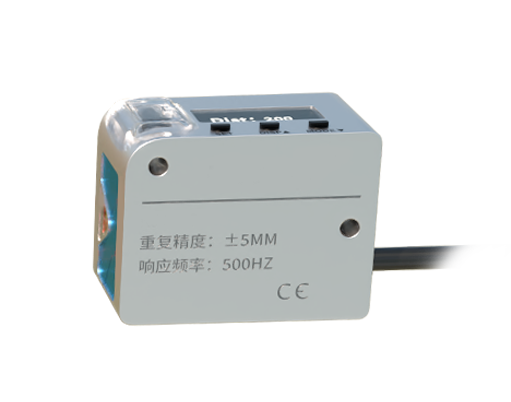
In the world of sensing technology, numerous options compete for attention, from ultrasonic and capacitive to inductive and photoelectric sensors. Yet, for applications demanding unparalleled precision, speed, and reliability, laser sensors consistently rise to the top. Their unique operating principle, based on emitting a focused beam of coherent light, unlocks capabilities that other technologies struggle to match. The decision to integrate a laser sensor is often driven by a fundamental need for accuracy that translates directly into improved product quality, enhanced process control, and operational efficiency.
The core advantage of a laser sensor lies in its exceptional measurement precision. The laser beam is highly collimated, meaning it remains in a tight, focused spot over long distances with minimal divergence. This allows for extremely accurate detection of an object's presence, position, or profile. For instance, in manufacturing environments where component placement is critical—such as in semiconductor assembly or precision machining—a laser sensor can detect minute positional deviations measured in micrometers. This level of detail is simply unattainable with more diffuse sensing methods like ultrasonic sensors, whose sound waves spread out, or standard photoelectric sensors, which use LED light. The precise spot size also enables the detection of very small objects or the measurement of fine features on a surface.
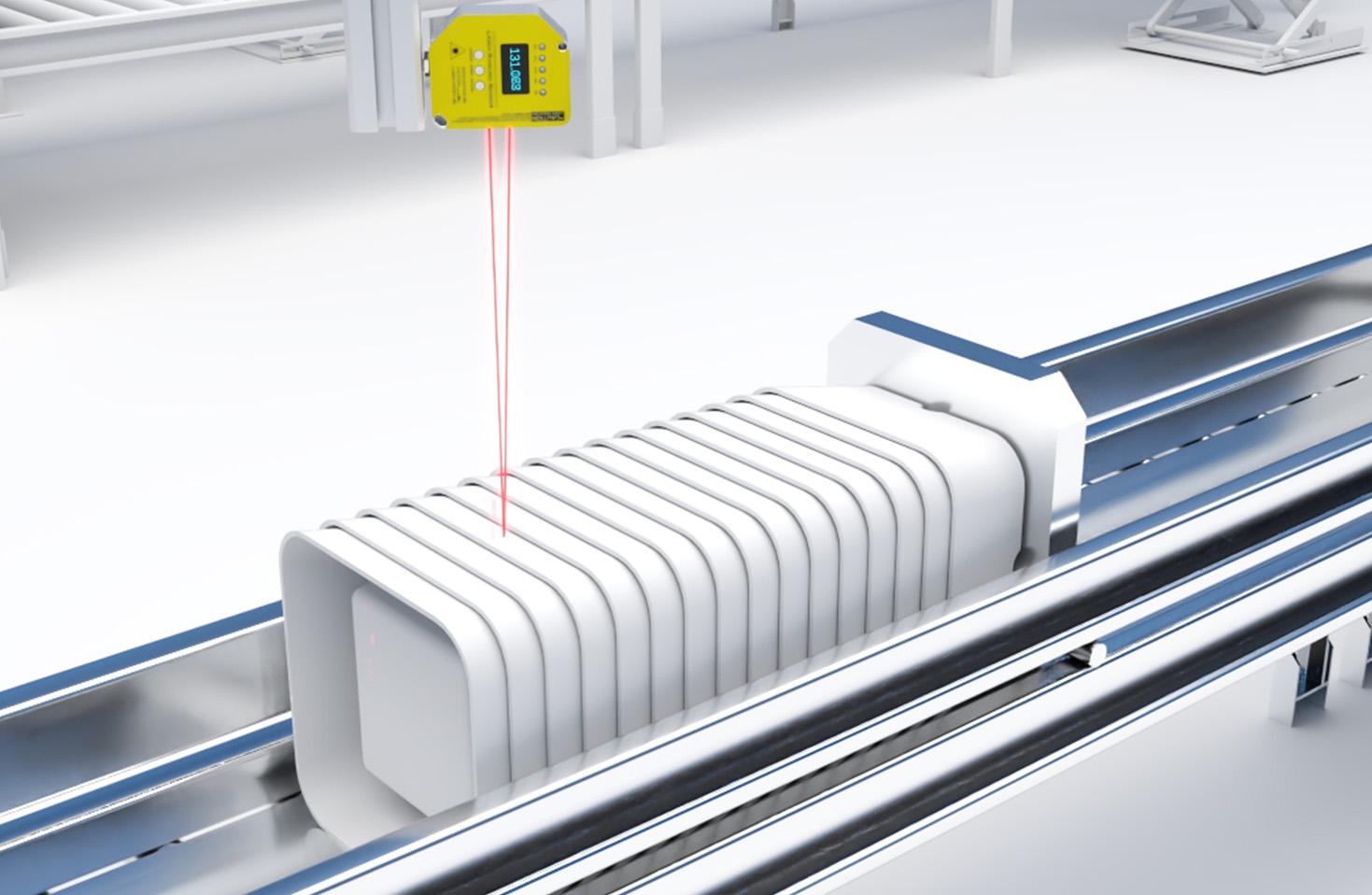
Beyond pinpoint accuracy, laser sensors offer remarkable resolution and repeatability. Resolution refers to the smallest change in the measured variable that the sensor can detect, while repeatability is the sensor's ability to produce the same result under unchanged conditions. The stable, monochromatic nature of laser light provides excellent signal consistency. This makes laser sensors ideal for continuous monitoring and control tasks, such as measuring the thickness of materials in roll-to-roll processes, monitoring fill levels in transparent containers, or ensuring consistent gap widths. The high signal-to-noise ratio of the laser signal ensures reliable operation even in environments with ambient light interference, a common challenge for other optical sensors.
Speed is another domain where laser sensors excel. The response time of a laser sensor is exceptionally fast, as it relies on the speed of light. This enables high-speed counting, sorting, and inspection on fast-moving production lines. In packaging, logistics, or electronics manufacturing, where items move rapidly on conveyor belts, laser sensors can reliably detect and measure each item without missing a beat. This high-speed capability prevents bottlenecks and supports increased throughput, directly impacting productivity and profitability.
Furthermore, laser sensors provide exceptional versatility in terms of measurement modes. They are not limited to simple on/off detection. Advanced laser sensors can perform precise distance measurement using triangulation or time-of-flight principles, profile scanning to create a 2D contour of an object, and even detect subtle differences in surface color or reflectivity. This flexibility allows a single sensor type to solve a wide array of challenges, from ensuring labels are correctly applied to verifying the dimensions of a machined part. Their ability to work with a variety of target materials—including glass, plastic, metal, and even liquids—adds to their broad applicability across industries like automotive, pharmaceuticals, food and beverage, and aerospace.

While considerations such as cost and eye safety are important, the long-term value proposition of laser sensors is compelling. Their durability, low maintenance requirements, and the tangible improvements they bring to quality control and process automation often result in a swift return on investment. By minimizing errors, reducing waste, and enabling more sophisticated automation, laser sensors become a cornerstone of modern, data-driven industrial operations. When the application demands the highest standards of performance, the focused beam of a laser sensor provides the clarity and confidence that other technologies cannot.