In the realm of industrial automation, proximity sensors stand as critical components, enabling non-contact detection of objects and ensuring seamless operations in manufacturing, packaging, and material handling. When procuring these devices, understanding the factors that influence industrial proximity sensor pricing is essential for making cost-effective decisions without compromising on performance or reliability.
The price spectrum for industrial proximity sensors is broad, ranging from under $20 for basic models to several hundred dollars for highly specialized units. This variation is not arbitrary but is dictated by a confluence of technical specifications, environmental requirements, and market dynamics. At the core, the sensing technology itself is a primary cost driver. Inductive sensors, used for detecting metallic objects, are generally the most economical, with prices often starting at a lower point. Capacitive sensors, capable of detecting both metallic and non-metallic materials, typically command a higher price. More advanced technologies like ultrasonic and photoelectric sensors, especially those with laser-based triangulation or background suppression features, reside at the premium end of the price scale due to their complex optics and electronics.
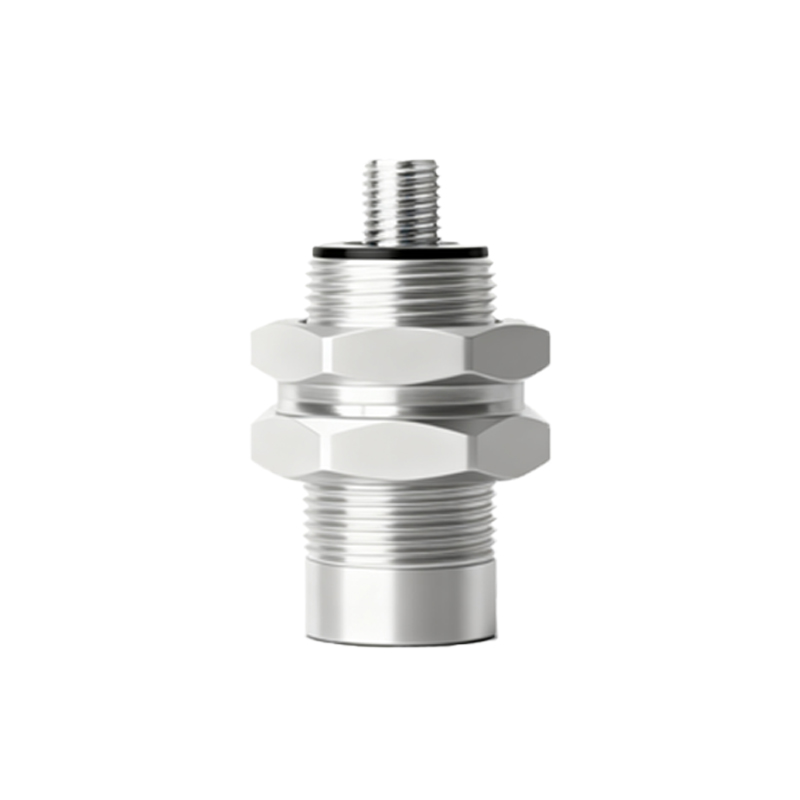
Performance specifications directly correlate with cost. Sensing range is a key factor; a standard 5mm inductive sensor is far less expensive than one with a 40mm range. Similarly, switching frequency—how quickly a sensor can detect objects—impacts price. High-speed sensors designed for rapid assembly lines are more costly. The housing material also plays a significant role. Standard plastic or nickel-plated brass housings are common for general purposes, but sensors requiring stainless steel (e.g., V4A/AISI 316L) or specialized coatings for extreme corrosion resistance in food, chemical, or marine applications see a substantial price increase. The ingress protection (IP) rating, such as IP67 or IP69K for washdown environments, adds to manufacturing complexity and cost.
Output configuration and connectivity are further price determinants. Basic two-wire DC sensors with PNP or NPN outputs are standard. Sensors with analog outputs (4-20mA, 0-10V), IO-Link digital communication, or AS-Interface connectivity integrate more intelligence and diagnostic capabilities, elevating their price. Features like teach-in functionality (programmable sensing distance), temperature compensation, and short-circuit protection also contribute to a higher unit cost.
Beyond the sensor itself, brand reputation and supply chain considerations heavily influence market prices. Established global manufacturers like Siemens, Omron, Pepperl+Fuchs, and Balluff often price their products at a premium, justified by extensive R&D, rigorous quality control, global certification (e.g., UL, CE, ATEX for hazardous areas), and robust technical support. These sensors are investments in long-term reliability and system uptime. Conversely, generic or white-label sensors from smaller suppliers may offer lower upfront costs but can pose risks regarding consistency, longevity, and availability of spare parts. The rise of e-commerce platforms has increased price transparency and competition, sometimes putting downward pressure on standard model prices.
Current market trends also shape pricing. The growing adoption of Industry 4.0 and IIoT (Industrial Internet of Things) is increasing demand for smart sensors with embedded diagnostics and network connectivity, supporting a trend toward higher-value units. Simultaneously, global semiconductor shortages and fluctuations in raw material costs (metals, plastics) have led to price volatility and extended lead times, affecting overall project budgets. For large-volume OEM (Original Equipment Manufacturer) applications, pricing is often negotiated through long-term contracts, significantly differing from the list price for single-unit purchases.
In conclusion, the price of an industrial proximity sensor is a reflection of its capability, durability, and intelligence. A thorough evaluation of the application's technical needs—required sensing distance, target material, environmental conditions (temperature, contaminants), and necessary output—is the first step toward selecting a sensor that offers the best total cost of ownership. Opting for the cheapest sensor can lead to frequent failures and production downtime, while over-specifying can unnecessarily inflate project costs. Engaging with reputable suppliers and considering lifecycle costs beyond the initial purchase price is the hallmark of a savvy procurement strategy in the industrial sector.