In the rapidly evolving landscape of precision agriculture, the role of proximity sensors has become increasingly critical. These devices, designed to detect the presence or absence of objects without physical contact, are integral to automated farming systems. The latest upgraded versions of agricultural proximity sensors represent a significant leap forward, offering enhanced performance, reliability, and adaptability to harsh environmental conditions. This article delves into the technical advancements, applications, and benefits of these next-generation sensors, tailored for the modern agricultural sector.
Traditional proximity sensors in agriculture often faced challenges such as susceptibility to dust, moisture, and extreme temperatures. The upgraded models address these issues head-on with robust IP67 or higher ingress protection ratings, ensuring functionality in dusty fields or during irrigation. Constructed from durable materials like stainless steel or reinforced polymers, they withstand mechanical shocks and chemical exposures common in farming operations. For instance, sensors used in combine harvesters or planting equipment now feature enhanced shielding against electromagnetic interference, reducing false triggers from nearby machinery.
Technologically, the upgrades are driven by innovations in sensing principles. While inductive sensors remain popular for metal detection in machinery, capacitive sensors have improved for level sensing in grain silos or fertilizer tanks, offering better sensitivity to non-metallic materials. Ultrasonic sensors, with refined algorithms, provide accurate distance measurements for obstacle avoidance in autonomous tractors. Additionally, the integration of IO-Link communication protocols enables real-time data exchange, allowing farmers to monitor sensor status, adjust parameters remotely, and integrate with IoT platforms for predictive maintenance. This connectivity reduces downtime and optimizes operational efficiency.
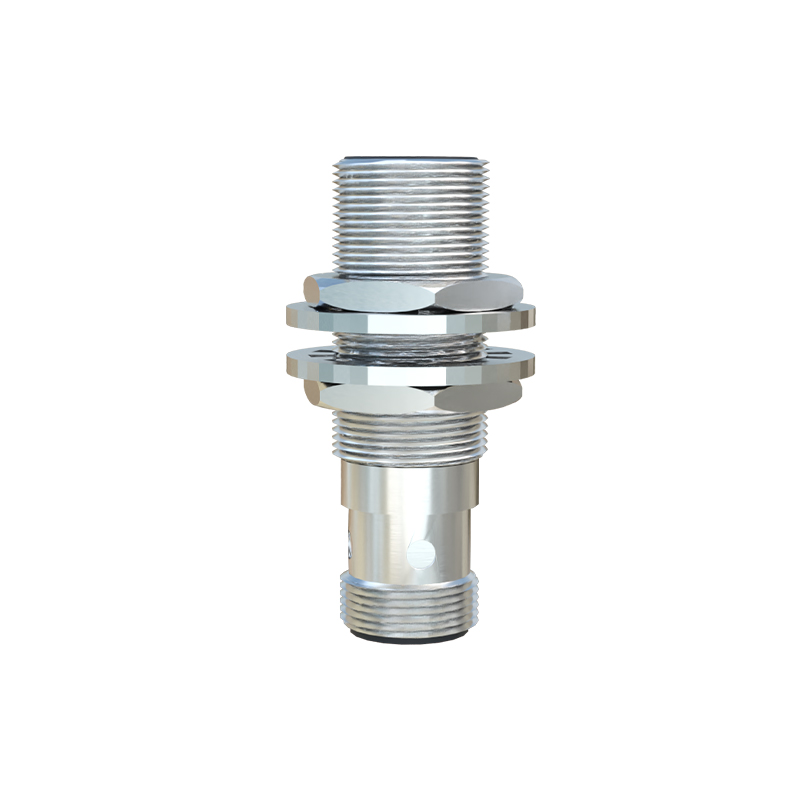
A key application of upgraded proximity sensors is in precision planting and seeding systems. Sensors mounted on planters detect seed flow, ensuring consistent spacing and depth, which directly impacts crop yield. In harvesting equipment, they monitor blade positions or grain flow, preventing jams and enhancing safety. For livestock farming, sensors in automated feeding systems detect animal presence, regulating feed distribution to minimize waste. Moreover, in irrigation systems, these sensors control valve operations based on soil moisture or crop proximity, conserving water resources.
The benefits extend beyond operational efficiency. Upgraded sensors contribute to sustainable farming by reducing input waste—such as fertilizers and pesticides—through targeted applications. Their durability lowers replacement costs and maintenance frequency, offering a higher return on investment. For example, a sensor with a extended operational lifespan of over 100,000 hours can significantly cut long-term expenses. Furthermore, compliance with international standards like IEC 60947-5-2 ensures safety and interoperability in global markets.
Looking ahead, the trend is toward smarter, multi-functional sensors. Future upgrades may incorporate AI-driven analytics for anomaly detection or energy-harvesting capabilities for wireless setups. As agriculture embraces automation, these sensors will play a pivotal role in enabling fully autonomous farms. For engineers and farm managers, selecting the right sensor involves considering factors like sensing range, output type (e.g., PNP/NPN), and environmental ratings. Collaborating with manufacturers for custom solutions can further tailor sensors to specific farm needs.
In summary, upgraded agricultural proximity sensors are transforming farming into a more precise, efficient, and sustainable endeavor. By leveraging advanced materials, connectivity, and sensing technologies, they address the unique challenges of the agricultural environment. As the industry continues to innovate, these sensors will remain at the forefront, driving productivity and supporting the global food supply chain. For professionals in the electrical and agricultural sectors, staying informed about these developments is essential for harnessing their full potential.