In the realm of industrial automation and control systems, proximity sensor switches are indispensable components. These non-contact sensors detect the presence or absence of an object within their sensing range, triggering an electrical signal. This guide provides a detailed overview of the most common and critical proximity switch models, their operating principles, key specifications, and application considerations, serving as an essential reference for engineers, technicians, and procurement specialists.
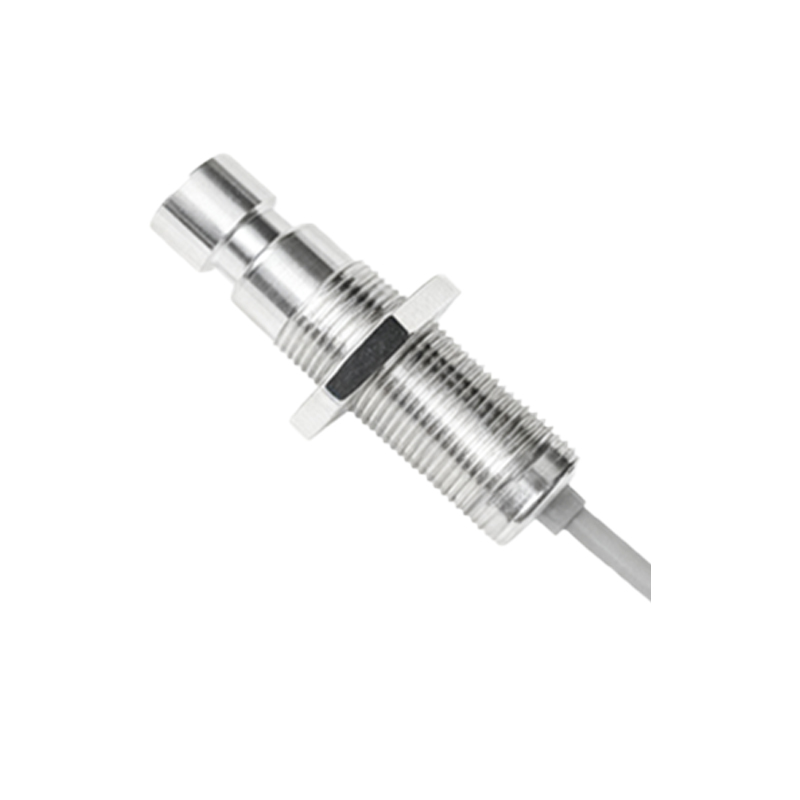
The fundamental types of proximity sensors are defined by their underlying technology. Inductive proximity sensors are the workhorses for detecting metallic objects. They generate an electromagnetic field and react to eddy current losses caused by a metal target. Popular series include the ubiquitous cylindrical models like the NAMUR series (e.g., BI2-M12-AP6X) for hazardous areas, and standard DC 3-wire types (e.g., E2A series by Omron, XS6/7/8 series by Schneider) with PNP (sourcing) or NPN (sinking) outputs. Rectangular form factors, such as the E2E series, are also common for specific mounting needs. Key specs are sensing distance (e.g., 2mm, 5mm, 8mm, 12mm, 18mm), housing material (brass, stainless steel, or plastic), and switching frequency.

Capacitive proximity sensors can detect both metallic and non-metallic materials (plastics, wood, liquids, granules) by measuring changes in capacitance. Models like the CJ series or CA series are frequently used for level detection, material handling, and presence checking of non-conductive substances. They often feature sensitivity adjustment potentiometers to fine-tune for the target material.
Magnetic proximity sensors, or reed switches, are actuated by a permanent magnet. They are renowned for their simplicity, low power consumption, and reliability in harsh environments. Tubular models (e.g., GM series) are widely used in cylinder position feedback. A specialized variant is the NAMUR-type magnetic sensor, designed for intrinsically safe circuits in explosive atmospheres.
Ultrasonic proximity sensors use sound waves to detect objects and measure distance, effective for a wide range of materials and under challenging conditions like dust or fog. Models are categorized by housing style (e.g., compact cylindrical UB series, rectangular UM series) and output type (analog 4-20mA/0-10V, discrete switch point).
Photoelectric sensors, while sometimes categorized separately, function as proximity switches. Key models include diffuse reflective (e.g., E3Z series), retro-reflective, and through-beam types, with options for background suppression or foreground suppression for precise detection.
When selecting a model, engineers must analyze a comprehensive checklist beyond just type:
1. Electrical Data: Operating voltage range (commonly 10-30V DC or 20-250V AC), current consumption, output type (PNP/NPN NO/NC, analog, relay), and connection method (pre-wired cable, quick-disconnect M8/M12 connectors).
2. Mechanical Design: Housing shape (threaded barrel, rectangular, block), size (M5, M8, M12, M18, M30 are standard thread sizes), material (nickel-plated brass, stainless steel 316L for washdown/corrosive areas), IP rating (IP67, IP68, IP69K for harsh environments), and mounting style (flush, non-flush).
3. Performance Parameters: Rated sensing distance (Sn), ensure to use 70-80% of this value for reliable operation. Repeatability, response frequency (Hz), hysteresis, and temperature rating (-25...70°C is standard, extended ranges available).
4. Special Features: Short-circuit and reverse polarity protection, weld-field immunity (for inductive sensors), LED status indication, and IO-Link digital communication capability for Industry 4.0 integration (e.g., models in the IFM I-series or Balluff BOS series).
For specific applications, model series are often optimized. In welding environments, weld-immune inductive sensors with stainless steel faces and special coatings (e.g., Teflon) are mandatory. In food & beverage or pharmaceutical applications, sensors with FDA-compliant materials and high-pressure washdown ratings (IP69K) like the Somex SR series are specified. For precise positioning on automated machinery, factor-1 cylindrical sensors offer very precise sensing points.
In conclusion, navigating the vast landscape of proximity switch models requires a methodical approach that balances detection principle, electrical and mechanical specifications, and environmental demands. Always consult the manufacturer's datasheet for the exact technical