In the realm of industrial automation and control systems, proximity sensors stand as indispensable components for non-contact detection. Selecting the right brand and model is critical for ensuring reliability, longevity, and optimal system performance. This guide delves into the landscape of leading proximity sensor manufacturers and their key model series, providing insights for electrical engineers and procurement specialists.
When evaluating proximity sensors, primary considerations include sensing technology (inductive, capacitive, ultrasonic, or photoelectric), sensing range, output type (PNP/NPN, analog, IO-Link), housing material (typically nickel-plated brass, stainless steel, or PBT plastic), and environmental ratings (IP67, IP69K). The choice fundamentally depends on the application: detecting metallic objects, liquid levels, precise positioning, or presence in harsh conditions.
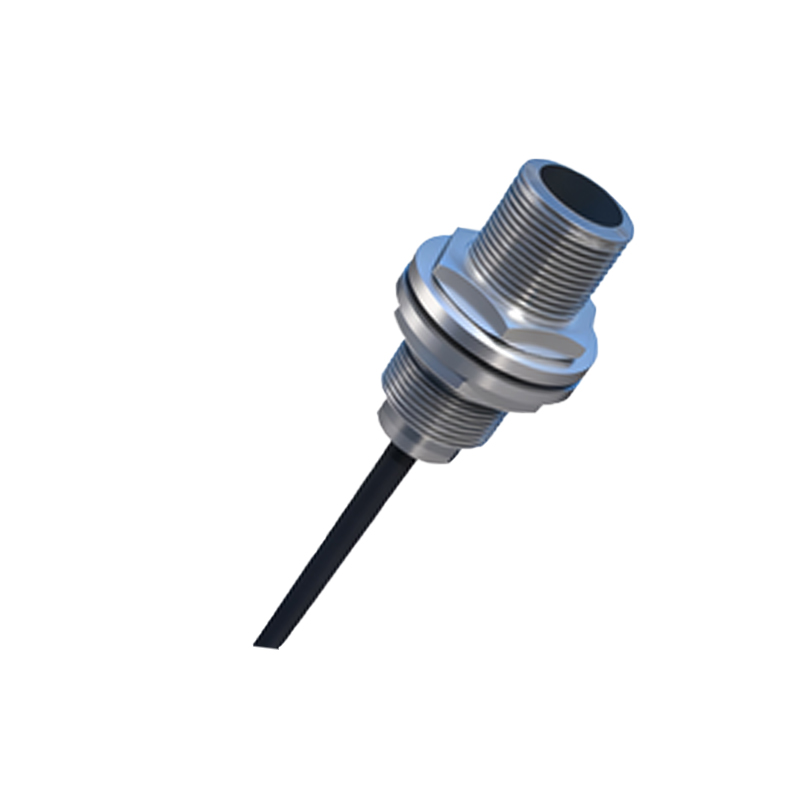
Among the global leaders, several brands have established dominance through technological innovation and proven field reliability.
Sick AG is renowned for its high-precision and robust sensors. Their IM series inductive sensors are industry benchmarks for metallic object detection, offering exceptional switching frequency and temperature stability. For challenging environments, the IQR series with stainless steel housings provides superior resistance to chemicals and mechanical stress. Sick's photoelectric sensors, like the WTT series, are also highly regarded for long-range detection.
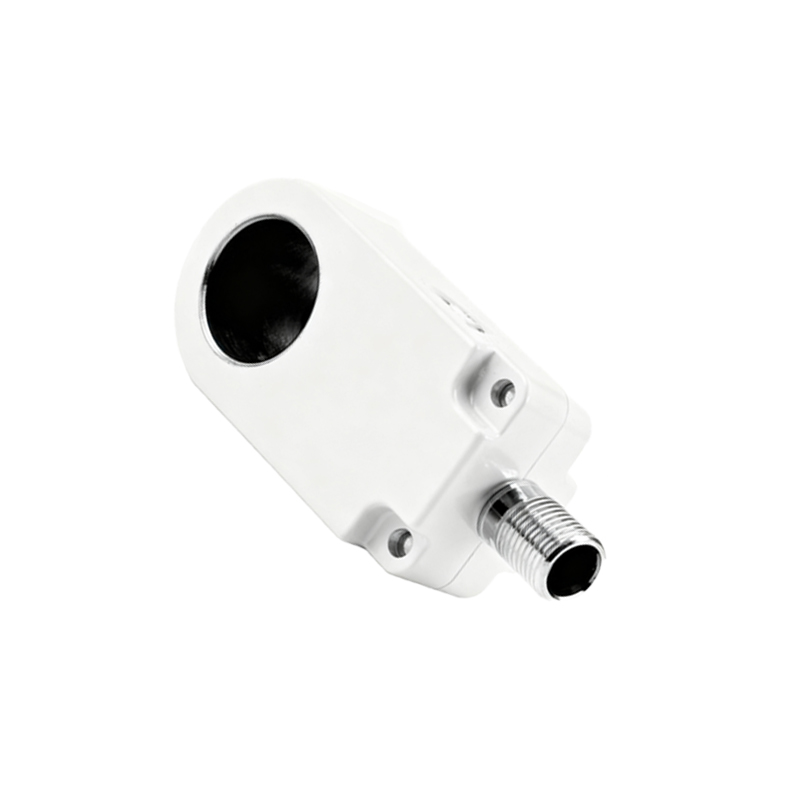
Pepperl+Fuchs, a German powerhouse, offers an exceptionally broad portfolio. Their NBN and NCN series are ubiquitous in factory automation for standard inductive sensing needs. For applications requiring advanced diagnostics and parameterization, their RJ series with IO-Link interface is a top choice. In the capacitive sensor domain, the C series excels in detecting non-metallic materials like plastics, wood, or liquids through containers.
Omron Corporation from Japan provides a balance of performance and cost-effectiveness. The E2E and E2A series proximity sensors are legendary for their durability and compact size, widely used in machine tools and packaging machinery. Their E2K capacitive sensors are popular for level control applications. Omron's strength lies in consistent quality and extensive global distribution.
Balluff GmbH specializes in innovative form factors and connectivity solutions. Their BES inductive sensors are known for their modularity and variety. A standout is their Micropulse series, which offers magnetostrictive linear position sensing with incredible accuracy. Balluff is also a pioneer in integrating RFID technology with proximity sensing for tool identification.
IFM Electronic emphasizes ease of use and diagnostic capabilities. Their IG series inductive sensors often feature built-in LED indicators for operational status and switching state. The O series photoelectric sensors are praised for their simple alignment and setup via teach-in buttons. IFM's product design consistently focuses on reducing installation and maintenance time.
Turck GmbH is a leader in sensors designed for extreme environments. Their BI series inductive sensors in heavy-duty stainless steel are built to withstand high pressure washdowns, welding spatter, and extreme temperatures. Turck also offers a comprehensive range of Q series factor-1 capacitive sensors for level detection.
Beyond these giants, brands like Rockwell Automation (Allen-Bradley), Schneider Electric (Telemecanique), and Siemens offer proximity sensors that integrate seamlessly into their broader automation ecosystems. Their models, such as Allen-Bradley's 871TM or Siemens' 3RG, are often specified in large-scale projects where brand uniformity is desired.
For specialized applications, consider Banner Engineering for innovative photoelectric solutions or Keyence for ultra-high-precision and novel sensing principles, though often at a premium price point.
Selecting a model involves cross-referencing datasheet specifications with application demands. Key parameters to verify are: nominal sensing distance (Sn), ensuring a 10-20% derating for reliability; hysteresis; repeat accuracy; supply voltage range; and short-circuit/overload protection. Always consult the manufacturer's technical documentation for mounting considerations (flush or non-flush) and the influence of target material on sensing distance.
In conclusion, there is no single "best" brand. The optimal proximity sensor model is a function of technical requirements, environmental conditions, budget, and system integration needs. Engineers are advised to maintain a shortlist of 2-3 qualified brands for any given application to ensure supply chain flexibility. The brands discussed here represent the pinnacle of sensor technology, each with distinct strengths that can be leveraged to build more efficient, reliable, and intelligent automated systems.