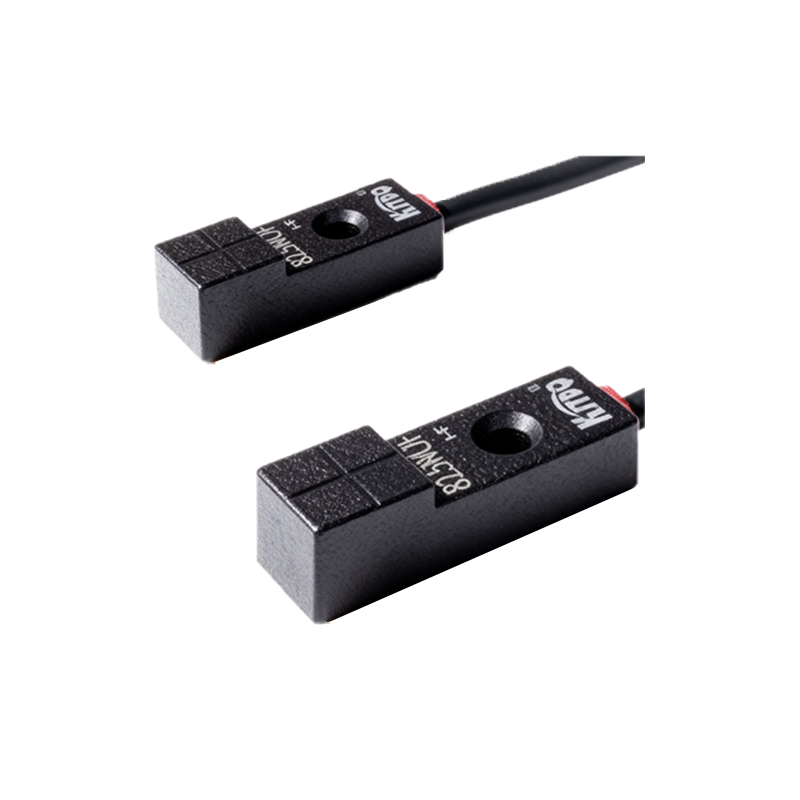
Selecting the appropriate proximity sensor is a critical decision in industrial automation, machinery design, and process control. As an experienced electrical engineer, I’ve seen countless projects succeed or fail based on this choice. Proximity sensors detect the presence or absence of objects without physical contact, relying on electromagnetic fields, light, or sound. With various technologies available, making the right selection requires a methodical approach. This guide outlines key factors to consider, ensuring optimal performance, reliability, and cost-efficiency.
First, understand the primary technologies: inductive, capacitive, ultrasonic, and photoelectric sensors. Inductive sensors are ideal for detecting metallic objects, using electromagnetic fields to sense ferrous and non-ferrous metals. They are robust, resistant to environmental factors like dust or moisture, and commonly used in manufacturing lines. Capacitive sensors can detect both metallic and non-metallic materials, including liquids, plastics, and wood, by measuring changes in capacitance. They suit applications involving material level detection or packaging. Ultrasonic sensors use sound waves to measure distance or detect objects, working well in harsh conditions with varying surfaces. Photoelectric sensors employ light beams, offering long-range detection and high precision, but they may be affected by ambient light or opaque materials.
Next, assess the application requirements. Consider the sensing range, which defines the maximum distance at which the sensor can reliably detect an object. For instance, inductive sensors typically have shorter ranges (up to 60 mm), while ultrasonic and photoelectric sensors can reach several meters. The target material also matters: if you’re detecting metal parts, an inductive sensor is often the best choice; for glass or liquid, capacitive or ultrasonic sensors are preferable. Environmental conditions play a crucial role too. Factors like temperature extremes, humidity, vibration, and exposure to chemicals or washdowns can impact sensor longevity. Look for sensors with appropriate ingress protection (IP) ratings, such as IP67 for dust and water resistance, and ensure they meet industry standards like IEC 60947.
Accuracy and response time are vital for dynamic applications. In high-speed automation, a sensor with a fast response time (e.g., less than 1 ms) prevents delays and improves efficiency. Repeatability, or the sensor’s ability to consistently detect objects at the same distance, ensures process stability. Also, evaluate the output type: digital (e.g., PNP or NPN) or analog (e.g., 4-20 mA or 0-10 V). Digital outputs are common for simple on/off detection, while analog outputs provide continuous data for distance measurement or control systems. Consider the power supply requirements, typically ranging from 10-30 V DC, and ensure compatibility with your control circuitry.
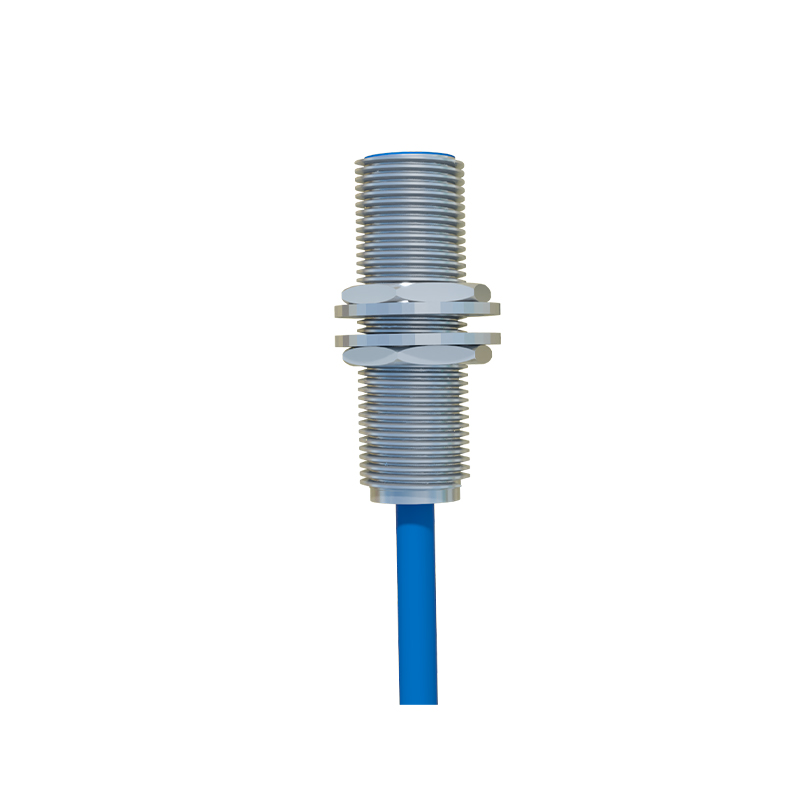
Installation and maintenance should not be overlooked. Choose a sensor with a suitable housing shape (e.g., cylindrical, rectangular, or ring-shaped) to fit your mounting space. Some sensors offer adjustable sensing ranges or teach-in functions for easy setup. For maintenance, opt for models with diagnostic indicators like LED lights to signal operational status. Cost is another factor: while inductive sensors are generally affordable, specialized sensors like ultrasonic or high-precision photoelectric types may be more expensive. Balance initial investment with long-term benefits, such as reduced downtime and energy efficiency.
In summary, selecting a proximity sensor involves analyzing technology, application needs, environment, performance, and practicality. By following this methodical approach, engineers can enhance system reliability and productivity. Always consult manufacturer datasheets and test sensors in real-world conditions when possible. With the right choice, you’ll achieve seamless integration and optimal results in any industrial setting.