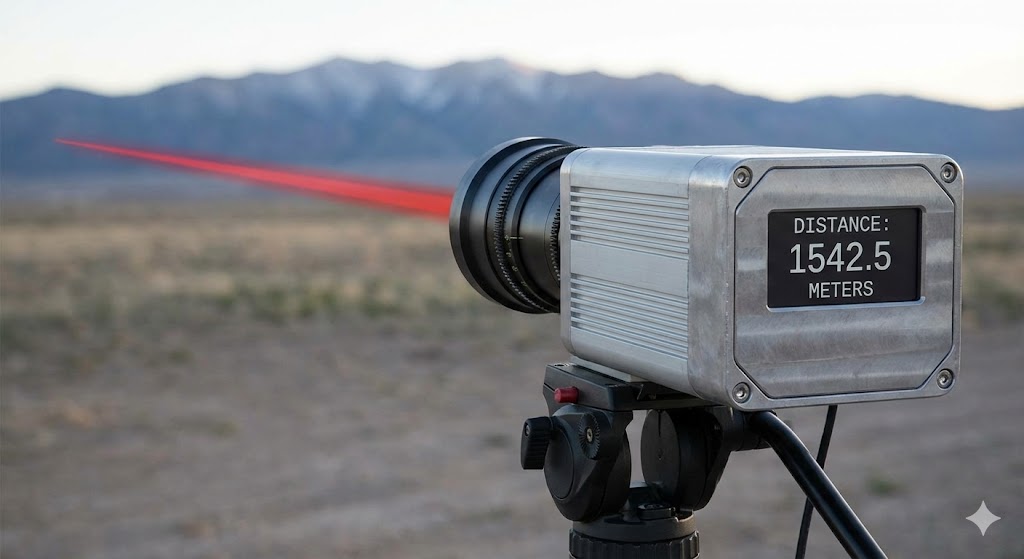
In modern industrial automation, precision and reliability are paramount. Among the myriad components requiring meticulous inspection, nuts—small yet critical fasteners—play a vital role in ensuring structural integrity and safety. Traditional detection methods, such as manual visual checks or mechanical probes, often fall short in high-speed production environments due to limitations in accuracy, speed, and adaptability. Enter laser sensor technology, a revolutionary solution that has transformed nut detection processes across manufacturing sectors.
Laser sensors operate on the principle of triangulation or time-of-flight measurement, emitting a focused beam of light onto the target nut. By analyzing the reflected light, these sensors can determine precise parameters such as presence, position, orientation, and even thread integrity. For instance, in automotive assembly lines, where thousands of nuts are used daily, laser sensors enable real-time detection at speeds exceeding 100 parts per minute, minimizing downtime and reducing error rates to near zero. The non-contact nature of laser sensing eliminates wear and tear, ensuring long-term consistency without physical degradation.
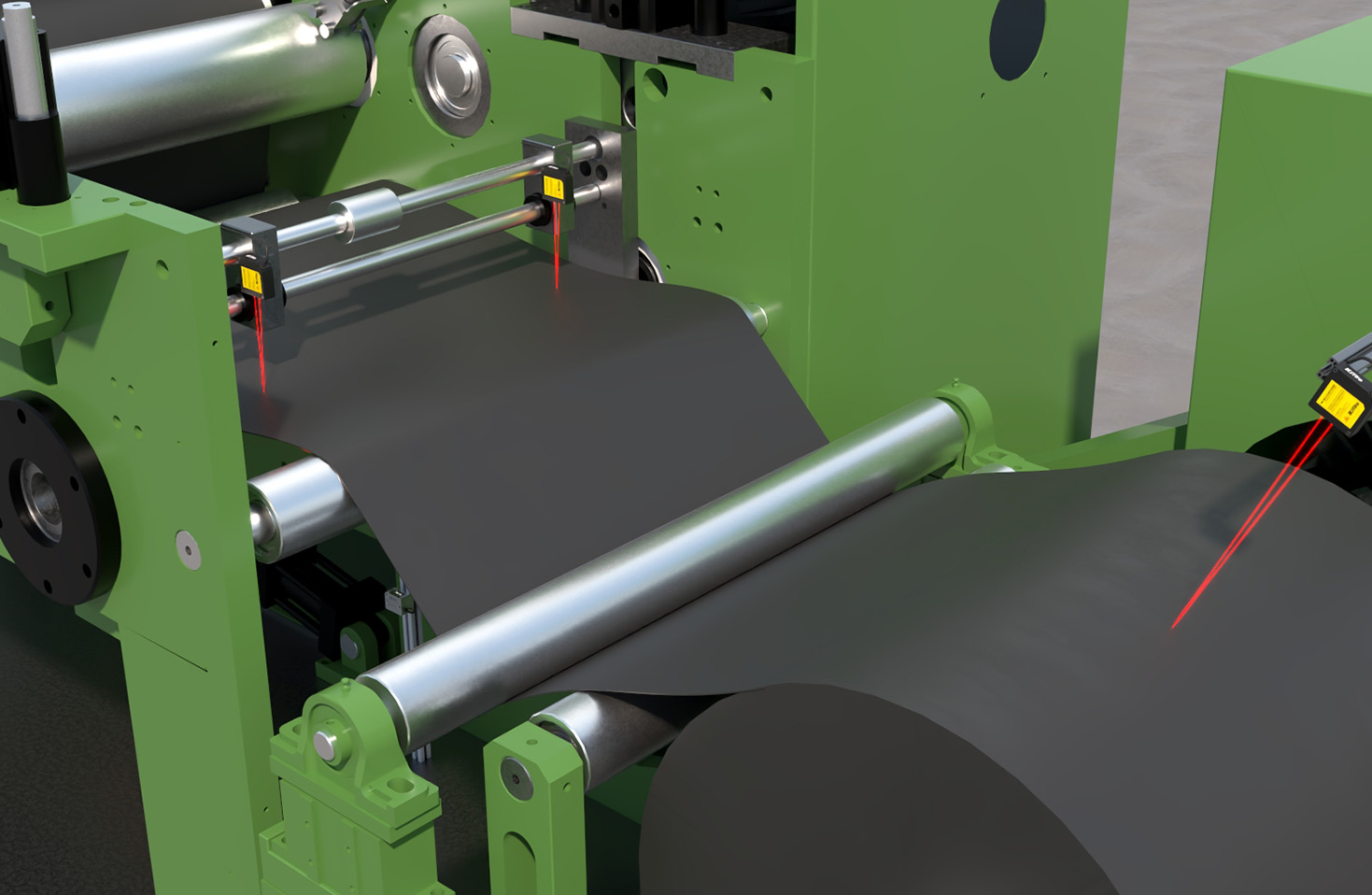
One key advantage of laser sensors is their ability to handle diverse nut types—from standard hexagonal nuts to specialized locknuts or flange nuts—regardless of material composition, whether steel, brass, or polymer. Advanced models incorporate high-resolution cameras and machine learning algorithms to differentiate between similar-looking fasteners, preventing misassembly in complex machinery. In aerospace applications, where tolerances are extremely tight, laser sensors verify nut seating torque and alignment to micrometer-level precision, crucial for aircraft safety compliance.
Environmental factors, such as ambient light, dust, or vibration, traditionally posed challenges for optical systems. However, modern laser sensors are engineered with robust housings and adaptive filtering technologies. For example, pulsed laser systems can penetrate oily surfaces common in automotive workshops, while infrared variants operate effectively in low-light conditions. Integration with PLCs (Programmable Logic Controllers) and IoT platforms allows for seamless data logging and predictive maintenance, alerting operators to potential issues like nut shortages or misalignments before they escalate.
Case studies highlight tangible benefits. A European machinery manufacturer reported a 30% increase in production efficiency after deploying laser nut detection systems, coupled with a 15% reduction in material waste. Similarly, in electronics manufacturing, where miniaturized nuts are used in circuit board assemblies, laser sensors achieve detection accuracies of ±0.1 mm, surpassing human capability. The scalability of this technology makes it suitable for both large-scale factories and small-batch custom productions, with modular designs allowing easy retrofitting into existing lines.
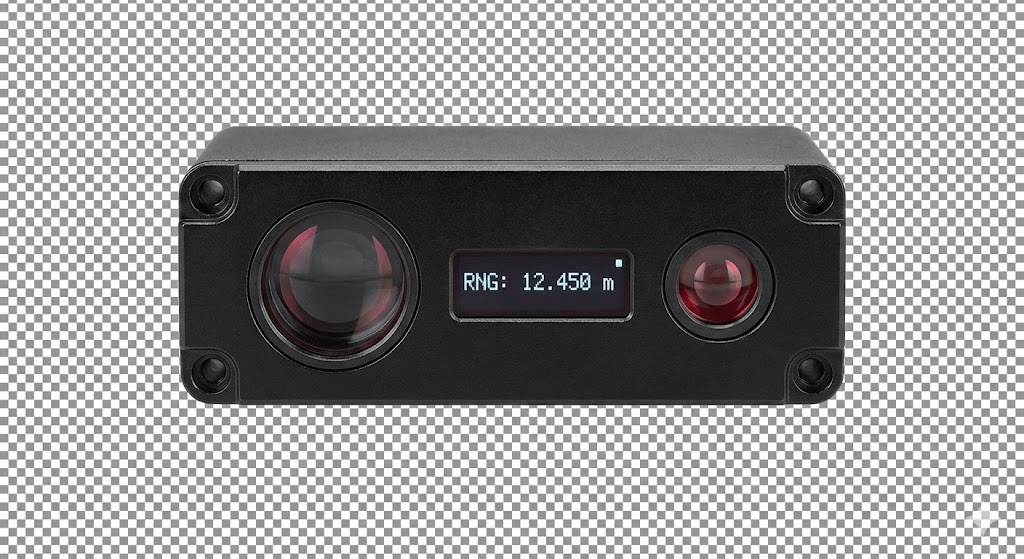
Looking ahead, innovations in laser sensor technology continue to emerge. The integration of 3D scanning capabilities enables volumetric analysis of nuts, detecting subsurface defects like hairline cracks. Additionally, the rise of Industry 4.0 has spurred the development of smart sensors with wireless connectivity, facilitating remote monitoring and AI-driven optimization. As industries push toward fully automated "lights-out" factories, laser nut detection will remain a cornerstone of quality assurance, driving efficiency and safety standards to new heights.
In conclusion, laser sensors represent a paradigm shift in industrial nut detection. By combining speed, precision, and adaptability, they address the evolving demands of modern manufacturing. Engineers and plant managers seeking to enhance operational reliability should consider adopting this technology, not merely as an upgrade but as a strategic investment in future-proofing their production ecosystems.