In the realm of industrial automation and control systems, proximity sensors stand as fundamental components, enabling non-contact detection of objects with precision and reliability. These devices are engineered to detect the presence or absence of an object within a specified sensing range without any physical contact. This non-contact nature eliminates mechanical wear and tear, significantly enhancing operational longevity and reducing maintenance needs. The core principle behind most proximity sensors involves generating an electromagnetic field or a beam of radiation and detecting changes in that field or the return signal caused by a target object.
There are several primary types of proximity sensors, each utilizing distinct technologies suited for different applications. Inductive proximity sensors are among the most common. They generate an oscillating electromagnetic field and detect the eddy current losses induced in a conductive metal target. These sensors are exclusively for detecting metallic objects, primarily ferrous metals like steel and iron, though some models can sense non-ferrous metals like aluminum or copper at reduced ranges. Their robustness, resistance to environmental contaminants like dust and oil, and high switching frequency make them ideal for harsh industrial environments, such as counting metal parts on a conveyor or determining the position of a machine tool.
Capacitive proximity sensors operate by generating an electrostatic field. They can detect both metallic and non-metallic materials, including liquids, powders, plastics, and glass. The sensor detects a change in capacitance when a target object enters the electrostatic field. This versatility makes them suitable for applications like liquid level detection in tanks, monitoring presence of plastic bottles, or detecting wood or paper products. However, they can be more susceptible to environmental factors like humidity.
Ultrasonic proximity sensors employ sound waves beyond the human hearing range. They emit high-frequency ultrasonic pulses and measure the time it takes for the echo to return from a target object. This time-of-flight principle allows them to detect objects of virtually any material, solid or liquid, and can also measure distance. They are excellent for applications involving clear object detection, distance measurement, or level sensing of bulk materials, even in challenging conditions with dust or steam.
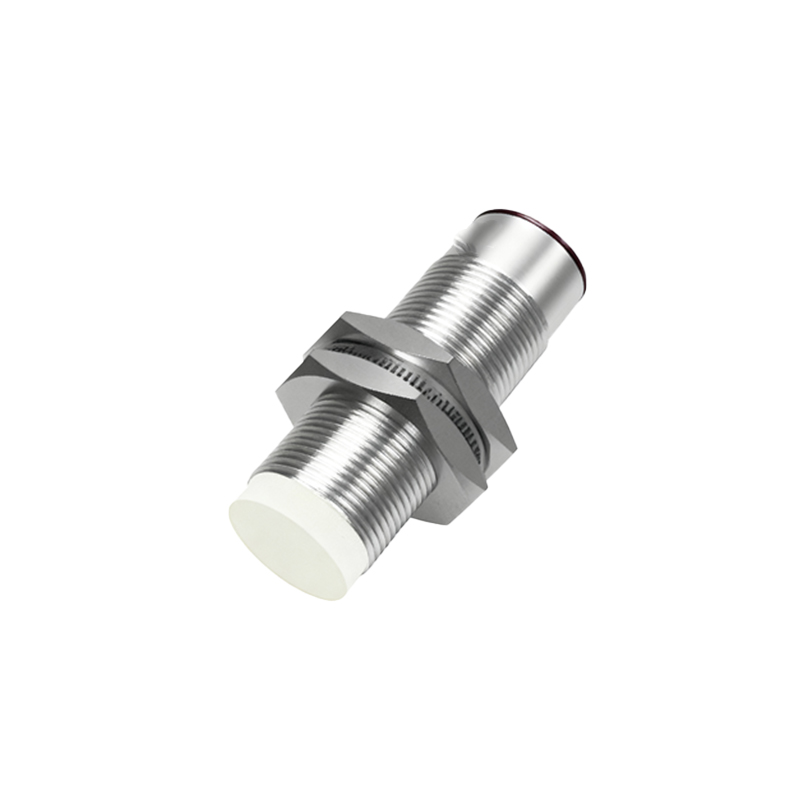
Photoelectric sensors, while sometimes categorized separately, function as proximity devices. They use a light emitter (usually LED or laser) and a receiver. The presence of an object is detected by either the interruption of the light beam (through-beam), reflection from the object (diffuse reflective), or reflection from a fixed reflector (retro-reflective). They offer very long sensing ranges and can detect tiny objects, but their performance can be affected by environmental factors like ambient light, color, and surface reflectivity of the target.
Selecting the appropriate proximity sensor requires careful consideration of several key parameters. The sensing range, or the maximum distance at which the sensor can reliably detect a standard target, is paramount. The target material composition (metal, plastic, liquid) directly dictates the choice between inductive, capacitive, or ultrasonic types. Environmental conditions such as temperature extremes, presence of chemicals, washdown requirements, or explosive atmospheres necessitate sensors with specific ingress protection (IP) ratings or certifications like ATEX. Electrical characteristics, including the output type (PNP/NPN, analog, IO-Link), supply voltage, and current rating, must be compatible with the control system. Finally, the physical form factor—tubular, rectangular, or ring-shaped—must suit the mechanical installation constraints.
The applications of proximity sensors are vast and integral to modern manufacturing. They are used for precise position sensing of cylinders and actuators, end-of-travel detection, part counting and sorting on assembly lines, jam detection in machinery, and ensuring proper fill levels in packaging. In robotics, they provide crucial feedback for object handling and collision avoidance. Their role in enabling Industry 4.0 and smart factory concepts is growing, with sensors featuring digital communication protocols like IO-Link providing not just binary detection but also diagnostic data and parameterization capabilities for predictive maintenance.
In conclusion, proximity sensors are indispensable workhorses in automation. Understanding the underlying technologies—inductive, capacitive, ultrasonic, and photoelectric—is essential for matching the sensor to the specific application demands regarding target material, sensing distance, and operating environment. A methodical selection process focusing on technical specifications and environmental ratings ensures optimal performance, reliability, and safety in automated systems, contributing directly to increased efficiency and reduced downtime in industrial operations.