In the demanding environments of modern industrial automation, proximity sensors serve as the critical eyes of machinery, detecting the presence or absence of objects without physical contact. A frequent and crucial question posed by engineers and maintenance personnel is: Are proximity sensors dust resistant? The answer is not a simple yes or no, but rather a nuanced discussion centered on sensor design, environmental sealing standards, and practical application considerations.
Fundamentally, proximity sensors, including inductive, capacitive, and photoelectric types, are susceptible to contamination. Dust, metallic shavings, oil mist, and other particulates can interfere with their operation. For inductive sensors, which detect metallic objects, an accumulation of ferrous dust on the sensing face can potentially reduce the effective sensing distance or cause false triggering. For capacitive sensors, which detect materials based on dielectric constant, dust buildup can alter the field and calibration. Photoelectric sensors are perhaps the most vulnerable, as dust can obscure the lens, blocking or scattering the light beam.
Therefore, the key lies not in innate immunity but in engineered protection. The level of dust resistance is formally defined by the Ingress Protection (IP) rating, an international standard (IEC 60529). This rating system is paramount for selection. The first digit indicates protection against solid objects. For dust resistance, ratings of IP5x and IP6x are most relevant.
IP5x (Dust Protected): Dust ingress is not entirely prevented, but it cannot enter in sufficient quantity to interfere with the satisfactory operation of the equipment.
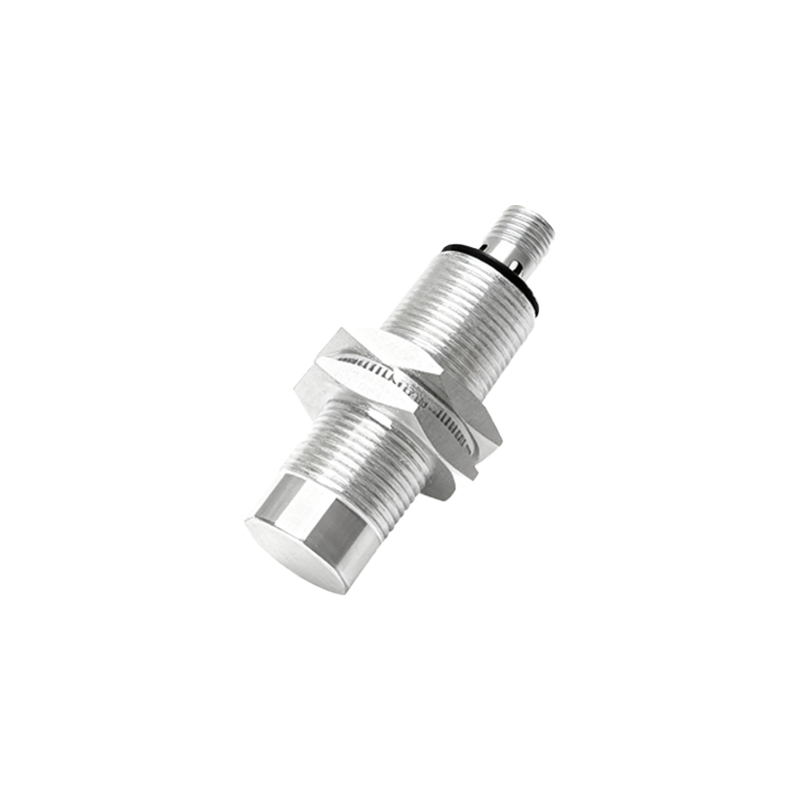
IP6x (Dust Tight): No dust ingress under defined test conditions. This is the highest level of protection against particulate matter.
Most industrial-grade proximity sensors are rated at least IP67 (Dust Tight and protected against temporary immersion in water). High-end models often achieve IP68 or IP69K, the latter indicating protection against high-pressure, high-temperature water jets, making them suitable for wash-down environments in food and beverage or pharmaceutical industries where dust might combine with cleaning agents.
Beyond the IP rating, specific design features enhance dust resistance. Sensors with a flush or fully embedded mounting style are less prone to dust accumulation on the sensing face compared to non-flush models. The material of the housing and sensing face also matters; robust materials like stainless steel (V4A/AISI 316L) or PBT plastic resist abrasion from particulate impact. For photoelectric sensors, models with built-in air purge connections allow a continuous flow of clean air to keep the lens clear, a common solution in extremely dusty settings like cement plants or woodshops.
However, it is critical to understand that "resistant" does not mean "immune" in perpetuity. Long-term exposure to conductive dust (e.g., carbon or metal powders) can eventually bridge electrical connections. Oil-coated dust can become caked and difficult to remove. Regular preventive maintenance, as per the manufacturer's guidelines, is essential. This includes periodic cleaning of the sensor face with appropriate solvents and checking the integrity of seals and cabling.
In conclusion, modern proximity sensors are highly dust resistant due to stringent IP ratings and robust design. An inductive sensor rated IP67 is typically an excellent choice for general factory automation with airborne dust. For severe conditions, selecting a sensor with IP68/IP69K, a flush design, and suitable housing material is crucial. The responsibility falls on the system designer to correctly match the sensor's protective capabilities with the specific environmental challenges, ensuring reliable, long-term operation. Always consult the sensor's technical datasheet for its exact IP rating and environmental specifications before finalizing any industrial application.