In the realm of industrial automation and electronic control systems, proximity sensors are indispensable components for detecting the presence or absence of objects without physical contact. A common and critical question that arises among engineers, designers, and technicians is: "Do proximity sensors have delay?" The unequivocal answer is yes, all proximity sensors exhibit some degree of delay or response time. This inherent characteristic is not a flaw but a fundamental parameter that must be carefully considered during system design and integration. Understanding the nature, causes, and implications of this delay is paramount for optimizing performance and ensuring system reliability.
The delay in a proximity sensor, typically referred to as its response time, is the interval between the moment a target object enters (or leaves) the sensor's detection range and the moment the sensor's output signal definitively switches state. This time lag is usually measured in milliseconds (ms) and is a key specification found on every sensor datasheet. It encompasses several contributing factors intrinsic to the sensor's operating principle and electronic circuitry.
Firstly, the physical sensing principle itself introduces latency. Inductive proximity sensors, which detect metallic objects, rely on generating an electromagnetic field. The detection process involves the disturbance of this field by a target, which then induces eddy currents. The sensor's oscillator circuit detects this change, and the subsequent damping signal must be processed. This entire chain of physical interaction and electronic reaction is not instantaneous. Similarly, capacitive sensors detecting non-metallic materials measure changes in capacitance, which requires time for the electric field to establish and for the circuit to measure the subtle change. Photoelectric sensors, using light beams, involve the emission, reflection or reception of light, and the processing of the received photocurrent by an amplifier, all contributing to a finite response time.
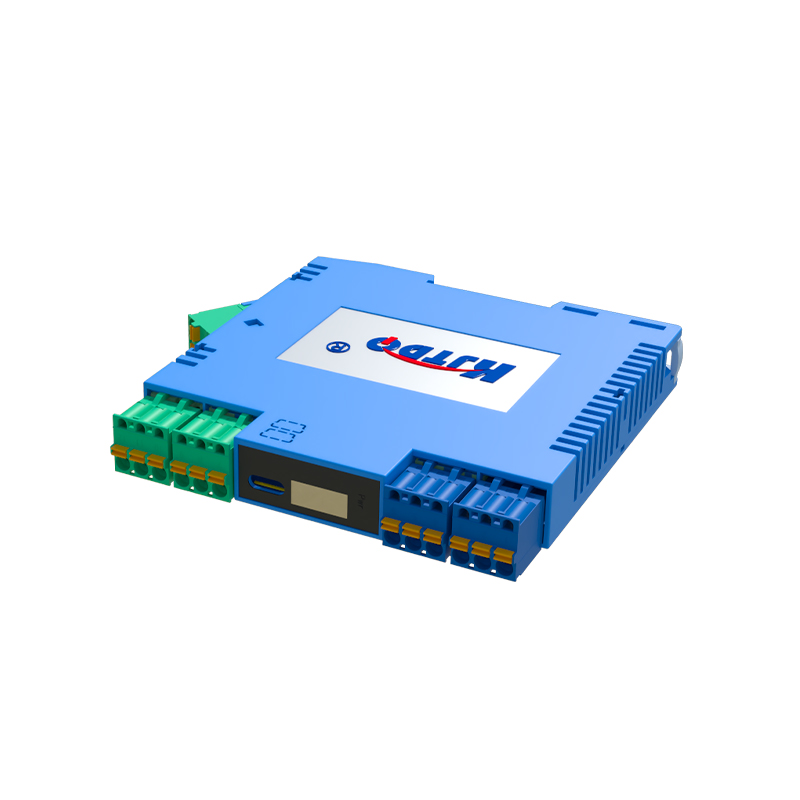
Secondly, the internal electronic signal processing is a major contributor. The raw signal from the sensing element is often weak and noisy. It must be amplified, filtered to eliminate electrical noise and interference, and compared against a predefined threshold by a Schmitt trigger or comparator circuit. These filtering and conditioning stages are essential for stable, chatter-free operation but inherently add delay. The more robust the filtering against noise, the longer the response time may be. Furthermore, many modern sensors incorporate additional digital processing, diagnostics, and communication protocols (like IO-Link), which can add further processing overhead.
Thirdly, the output switching stage introduces its own switching time. Whether the sensor uses a transistor (PNP/NPN), relay, or analog output, the physical act of turning the solid-state device fully on or off is not immediate. For example, a standard DC 3-wire sensor might have a switching frequency of 1 kHz, implying a theoretical maximum response cycle time of 1 ms. However, actual response times are often specified separately for "on-delay" (target approaching) and "off-delay" (target receding), and they may differ.
The practical implications of sensor delay are significant. In high-speed automation, such as packaging, sorting, or assembly lines, a delay of even 10 ms can result in a positional inaccuracy of several millimeters if the object is moving rapidly. This miscalculation can lead to defective products or machine collisions. In safety-critical applications, like machine guarding or robotic cell entry detection, minimizing response time is absolutely crucial to ensure the system can react quickly enough to prevent injury. Engineers must calculate the total system response time, which includes sensor delay, controller scan time, and actuator response, to guarantee safe and efficient operation.
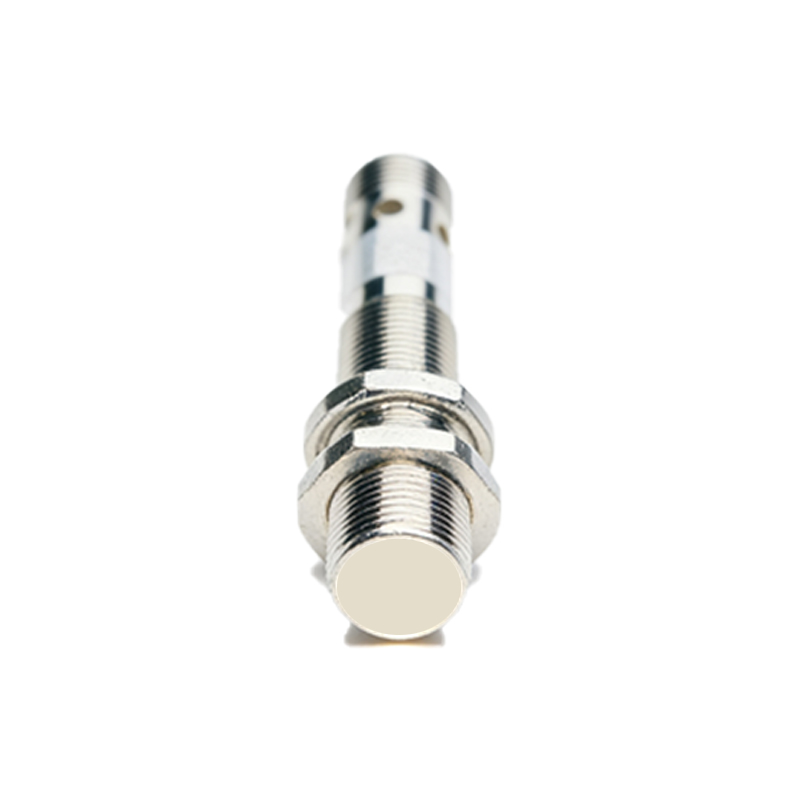
To mitigate issues related to delay, several strategies are employed. Selecting a sensor with an appropriately fast response time for the application's speed requirements is the first step. Placing the sensor farther upstream in the process to provide a longer "warning" time can compensate for delay. Understanding the difference between a sensor's repeatability (precision) and its response time (speed) is also vital; a highly repeatable sensor may not be the fastest. Finally, proper installation is key. Ensuring stable power supply, minimizing electrical noise, and avoiding sensing interference from nearby metal or other sensors can prevent unnecessary additional latency caused by environmental factors.
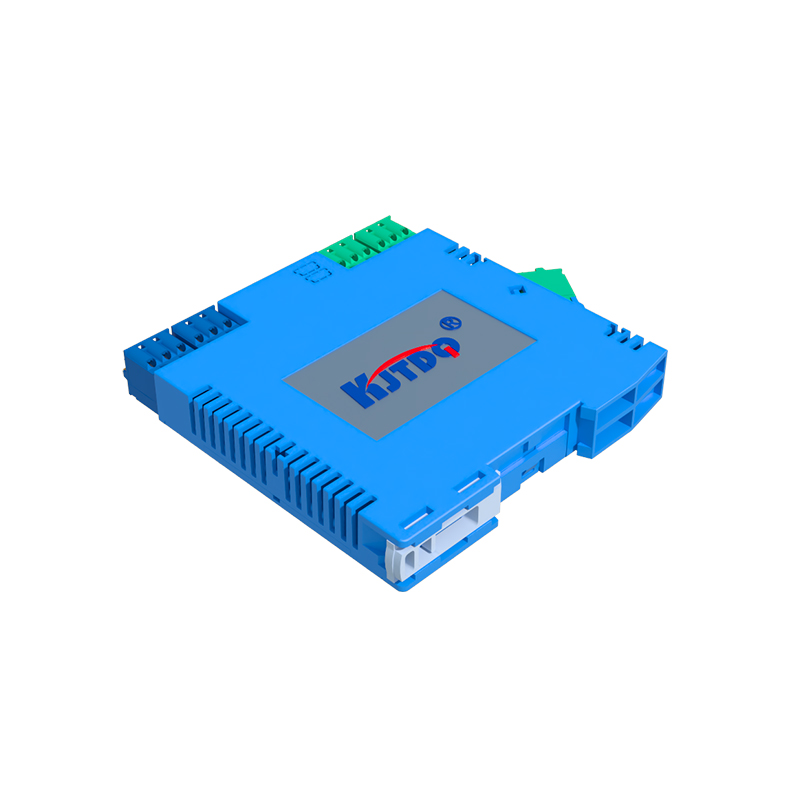
In conclusion, delay or response time is an inherent and specified characteristic of every proximity sensor. It is not a question of if they have delay, but how much delay they have and how it impacts the specific application. By thoroughly reviewing datasheet specifications for parameters like response time, switching frequency, and on/off delay, and by integrating this knowledge into the overall control system timing analysis, engineers can effectively design robust, efficient, and safe automated systems. The goal is not to eliminate delay—an impossibility—but to understand, account for, and manage it within the tolerances of the application.