In the bustling arteries of modern urban life—subway stations, shopping malls, airports, and office towers—escalators move millions of people daily with rhythmic efficiency. Behind this seamless operation lies a critical, often overlooked component: the proximity switch sensor. These unassuming electronic sentinels play a pivotal role in ensuring safety, optimizing performance, and preventing catastrophic failures.
A proximity switch sensor on an escalator is a non-contact detection device. It generates an electromagnetic field or a beam of light. When an object or person enters this predefined field, the sensor detects the presence and sends an electrical signal to the escalator's control system. This fundamental action triggers a cascade of vital safety and operational functions.
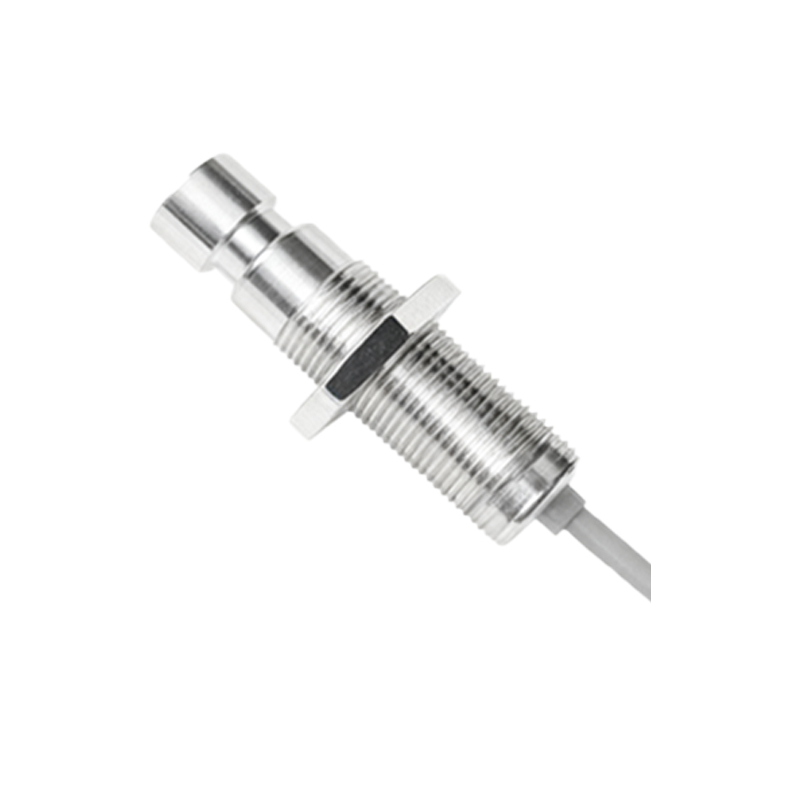
The primary and most crucial application is at the entrance and exit combs of the escalator steps. Sensors here continuously monitor for obstructions. If a shoe, luggage strap, or any foreign object gets caught, the sensor detects the abnormal presence and commands the escalator to stop immediately. This rapid response is the first line of defense against entrapment incidents, potentially saving limbs and lives. Furthermore, sensors are strategically placed along the skirt panels—the vertical sides bordering the moving steps. Their job is to detect any lateral pressure or pinching, signaling for an emergency halt if a passenger's clothing or body part is pulled into the dangerous gap.
Beyond immediate safety stops, these sensors are integral to energy conservation and operational intelligence. Modern systems utilize proximity sensors to detect passenger traffic. In low-traffic periods, if no passenger is detected on the approach for a set duration, the control system can automatically slow the escalator to a standby creep speed, significantly reducing energy consumption and mechanical wear. Upon sensing an approaching passenger, the escalator smoothly accelerates to its normal operating speed. This "sleep mode" functionality, driven by sensor input, is a key feature in sustainable building management.
The technology behind these sensors varies, with inductive and photoelectric types being most common. Inductive proximity sensors are robust, detecting metallic objects without physical contact through changes in an oscillating electromagnetic field. They are often used in internal monitoring of the drive chain or other metallic components. Photoelectric sensors, or optical sensors, use an infrared light beam. A break in this beam signals an obstruction. These are frequently employed for passenger detection at comb plates and skirt panels due to their sensitivity to both metallic and non-metallic objects. The choice depends on the specific detection need, environmental conditions, and required reliability.
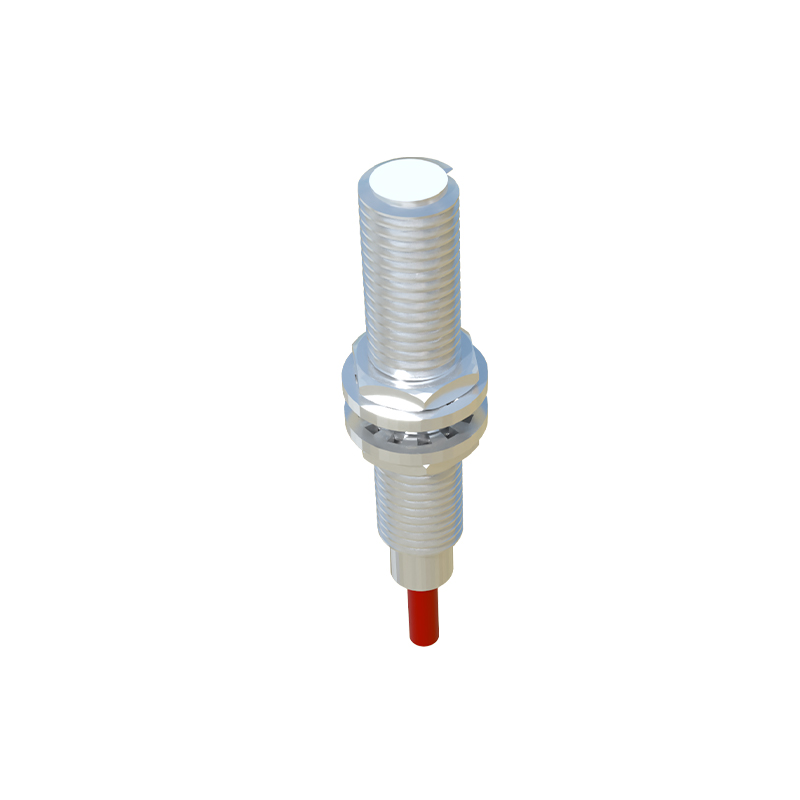
Installation, calibration, and maintenance are paramount. A misaligned sensor can lead to nuisance stops, disrupting passenger flow, or worse, a failure to detect a genuine hazard. Regular testing is mandated by safety codes worldwide. Technicians use test blocks of specific dimensions to simulate obstructions, verifying the sensor's response time and the system's stopping performance. Dust, vibration, and electromagnetic interference in public spaces can affect sensor accuracy, making scheduled cleaning and inspection non-negotiable tasks.
The evolution of this technology points towards greater integration and intelligence. The next generation of sensors is part of the Industrial Internet of Things (IIoT). These smart sensors not only perform their primary detection function but also continuously report their health status, operational data, and even predict potential failures by analyzing trends in detection signals. This data feeds into centralized facility management systems, enabling predictive maintenance, reducing downtime, and creating a richer dataset for long-term safety analysis.
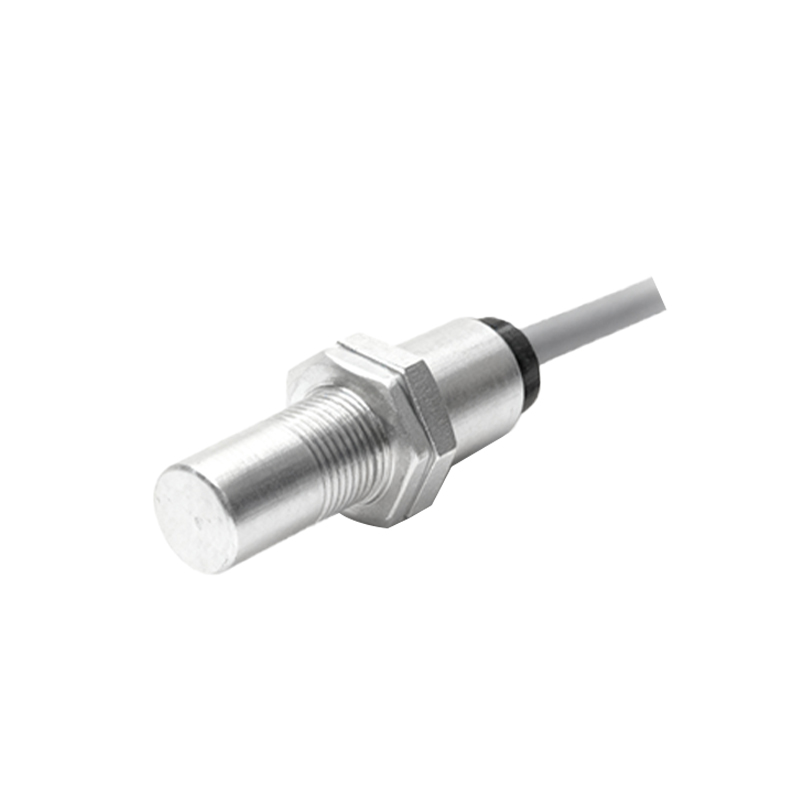
In conclusion, while passengers see only the moving steps and handrails, the network of proximity switch sensors works invisibly as the central nervous system of escalator safety. They are the silent guardians that translate physical presence into digital commands, balancing the demands of efficient people movement with the uncompromising imperative of passenger protection. Their reliable operation is a testament to the sophisticated engineering embedded within our everyday public infrastructure, ensuring that this vertical transportation remains a convenience we can all trust.