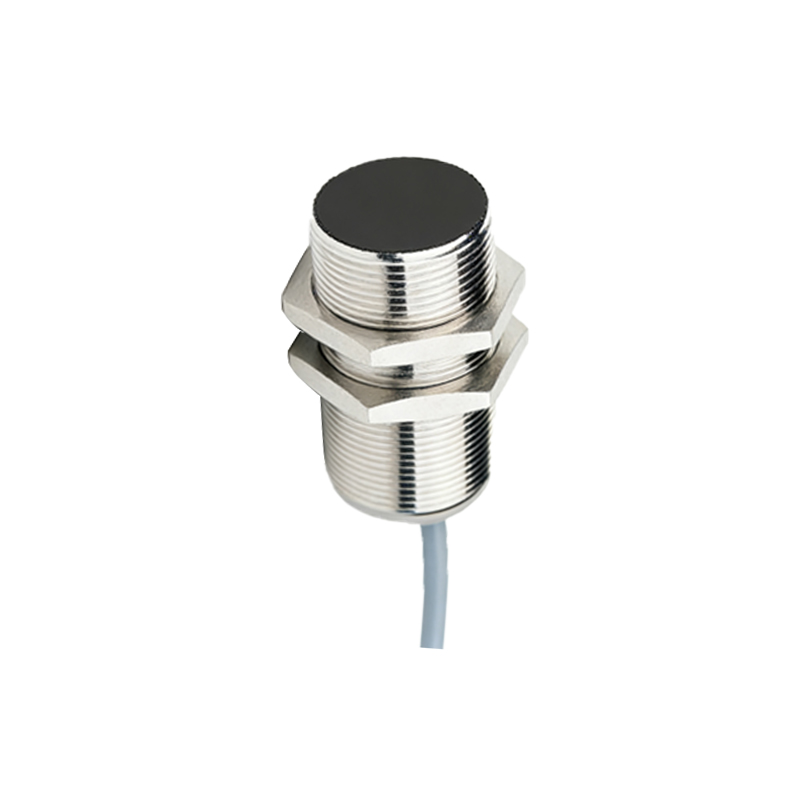
In the intricate dance of modern automation, where precision and reliability are non-negotiable, a silent class of components plays a pivotal role. Ultra proximity sensors, the advanced evolution of standard proximity devices, have become fundamental enablers across industries. These sensors detect the presence, absence, or position of an object without any physical contact, operating at remarkably short distances with exceptional accuracy. Their evolution is a direct response to the demands of miniaturization, increased speed, and the need for flawless operation in sensitive environments.
Unlike their predecessors, ultra proximity sensors are engineered for near-field detection, often within millimeters or even sub-millimeter ranges. This capability is crucial in applications where space is at a premium or where the target object is extremely small or fragile. The core technology varies, primarily including high-frequency oscillation types, capacitive models, and magnetic varieties. High-frequency oscillation sensors generate an electromagnetic field; when a metallic object enters this field, it causes a change in oscillation amplitude, triggering detection. Capacitive sensors, on the other hand, can detect both metallic and non-metallic objects by sensing changes in capacitance caused by the object's presence. Magnetic sensors react specifically to permanent magnets, offering high reliability in harsh conditions.
The applications are as diverse as the technology itself. In the electronics manufacturing sector, these sensors are indispensable for PCB assembly, ensuring components are placed with micron-level precision before soldering. They verify the presence of tiny screws, detect wafer positioning in semiconductor fabrication, and monitor robotic arm end-effectors. The automotive industry relies on them for critical safety and assembly checks, such as confirming gear position in transmissions or ensuring airbag components are correctly seated. In pharmaceutical packaging, they detect misaligned caps on vials or count minuscule pills on high-speed production lines, where contamination through contact is unacceptable.
The benefits of deploying ultra proximity sensors are multifaceted. First and foremost is their non-contact nature, which eliminates mechanical wear and tear, granting them a significantly longer operational life compared to mechanical limit switches. This also means no physical force is exerted on the target object, protecting delicate items. Their response speed is incredibly fast, often in the microsecond range, enabling their use in high-speed machinery without becoming a bottleneck. Furthermore, their solid-state construction makes them resistant to vibration, moisture, and dust—key attributes for thriving in challenging industrial environments. Modern iterations come with enhanced features like IO-Link communication, allowing for parameter setting, process data monitoring, and advanced diagnostics, paving the way for predictive maintenance and Industry 4.0 integration.
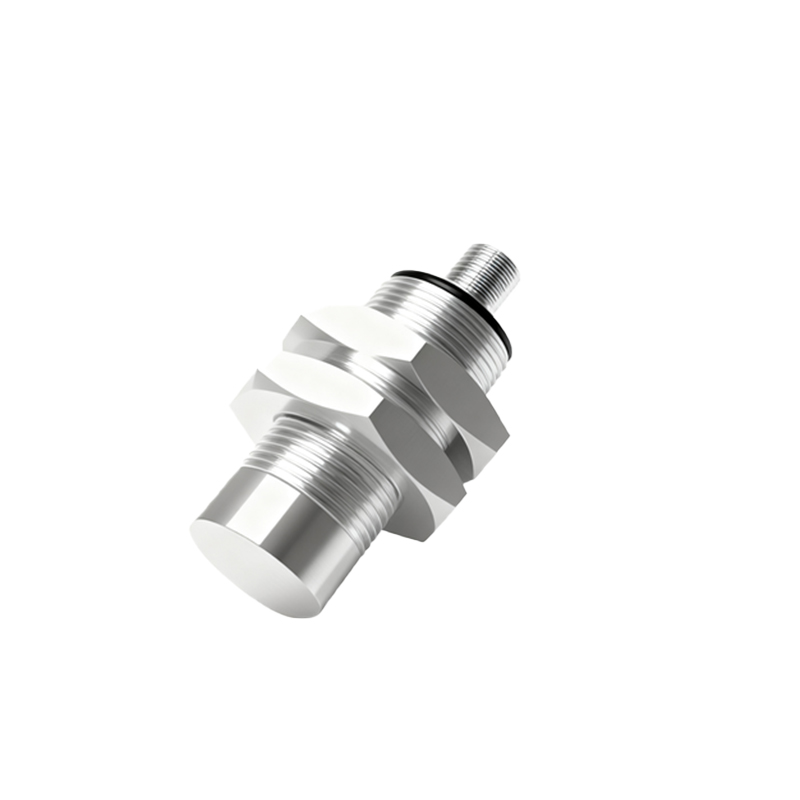
Selecting the right ultra proximity sensor requires careful consideration of several parameters. The sensing distance, or the nominal range at which the sensor reliably detects a standard target, is primary. The size and material of the target object directly influence this range. Environmental factors are equally critical; sensors are rated with specific Ingress Protection (IP) codes for dust and water resistance, and certain models are built to withstand extreme temperatures, washdowns, or exposure to oils and coolants. The output type—whether NPN, PNP, or analog—must be compatible with the control system's input card. For applications involving different colored objects or transparent materials, a capacitive sensor might be preferable over a standard inductive one.
Looking ahead, the trajectory for ultra proximity sensors points toward even greater intelligence and integration. The convergence of sensing and networking through industrial IoT protocols is making sensors not just data sources but intelligent nodes on the factory floor. Developments in materials science may lead to sensors that are smaller, more robust, and capable of operating in even more extreme conditions. As robotics and automated systems continue to advance, demanding finer dexterity and closer human-machine collaboration, the role of these "invisible guardians" will only expand, ensuring efficiency, safety, and precision in the automated world of tomorrow. Their silent vigilance is a cornerstone of the reliability we have come to expect from modern technology.