In the realm of industrial automation, the integration of laser distance sensors with computer systems represents a pivotal advancement in precision measurement and control. These sensors, utilizing laser technology to determine distances with high accuracy, are increasingly becoming integral components in automated processes. The core principle involves emitting a laser beam towards a target; the reflected light is then analyzed to calculate the distance based on time-of-flight or phase-shift methods. This data is transmitted to a computer, where specialized software processes it in real-time, enabling applications such as object detection, positioning, and quality inspection.
The computer acts as the brain of this setup, interfacing with laser distance sensors through various communication protocols like Ethernet/IP, PROFINET, or Modbus TCP. This connectivity allows for seamless data exchange, where the computer receives raw distance measurements and converts them into actionable insights. For instance, in robotic assembly lines, computers use sensor data to guide robotic arms with micron-level precision, ensuring components are placed correctly. Similarly, in logistics, computers analyze sensor inputs to monitor inventory levels or sort packages based on size and location, enhancing efficiency and reducing human error.
Software plays a crucial role in this integration. Programs developed in languages such as C++, Python, or using industrial platforms like LabVIEW facilitate data acquisition, filtering, and analysis. Algorithms are implemented to compensate for environmental factors like temperature fluctuations or ambient light, which might affect sensor accuracy. Moreover, machine learning techniques can be employed to predict maintenance needs or optimize sensor performance over time. The computer's ability to store and visualize data through dashboards aids operators in monitoring system health and making informed decisions.
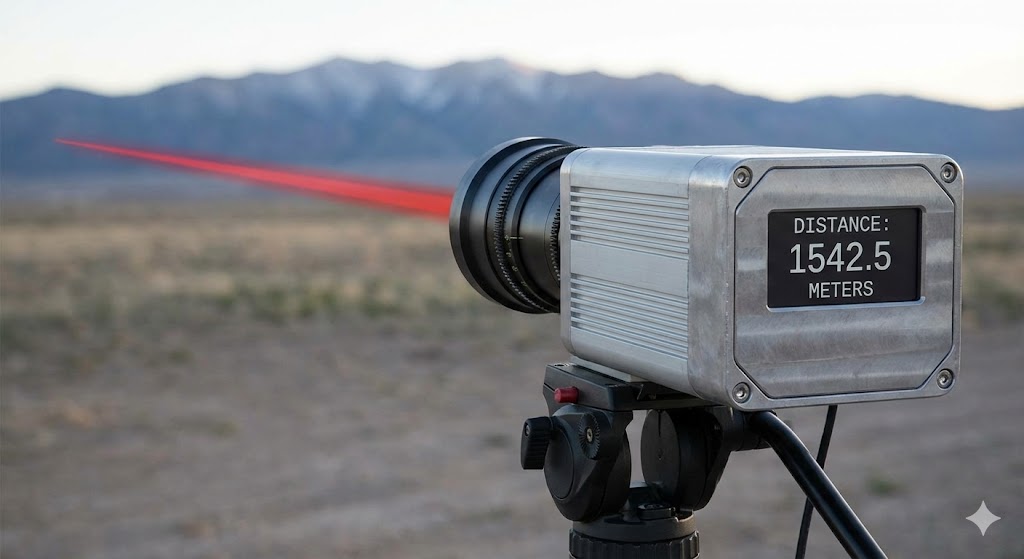
From an engineering perspective, selecting the right laser distance sensor and computer configuration is vital. Factors such as measurement range, resolution, response time, and environmental robustness must align with application requirements. For example, in harsh manufacturing environments, sensors with IP67 ratings are preferred to withstand dust and moisture. Computers, often industrial PCs or embedded systems, need sufficient processing power and I/O capabilities to handle multiple sensors simultaneously without latency.
The benefits of this integration are manifold. It leads to improved productivity by automating repetitive tasks, enhances safety through non-contact measurement in hazardous areas, and reduces costs by minimizing material waste and downtime. Case studies from sectors like automotive manufacturing show that integrating laser distance sensors with computers can cut inspection times by up to 50% while boosting accuracy. As Industry 4.0 evolves, the synergy between these technologies will drive smarter factories, with computers leveraging sensor data for predictive analytics and adaptive control.
However, challenges exist, including high initial investment, the need for skilled personnel to manage these systems, and potential cybersecurity risks in networked environments. Engineers must address these by adopting scalable solutions, providing training, and implementing robust security protocols. Looking ahead, advancements in edge computing and AI will further blur the lines between sensors and computers, enabling more autonomous and intelligent industrial operations. In summary, the computer integration of laser distance sensors is not just a technical enhancement but a transformative force in modern automation, paving the way for more responsive and efficient industrial ecosystems.