In industrial automation and control systems, proximity sensors are indispensable components for detecting the presence or absence of objects without physical contact. A common question among engineers, technicians, and hobbyists is: "How many wires does a proximity sensor have?" The answer is not straightforward, as it depends on the sensor type, output configuration, and functionality. This guide delves into the wiring schemes of various proximity sensors, explaining their purposes and applications.
Typically, proximity sensors come with 2, 3, or 4 wires. Each configuration serves specific electrical and operational needs. Let's break them down:
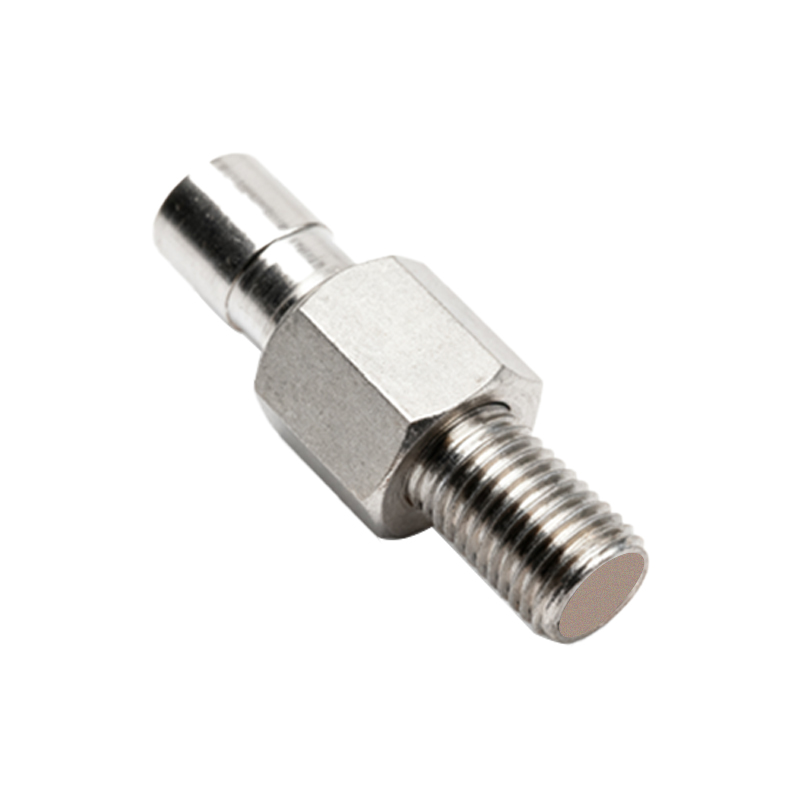
Two-Wire Proximity Sensors
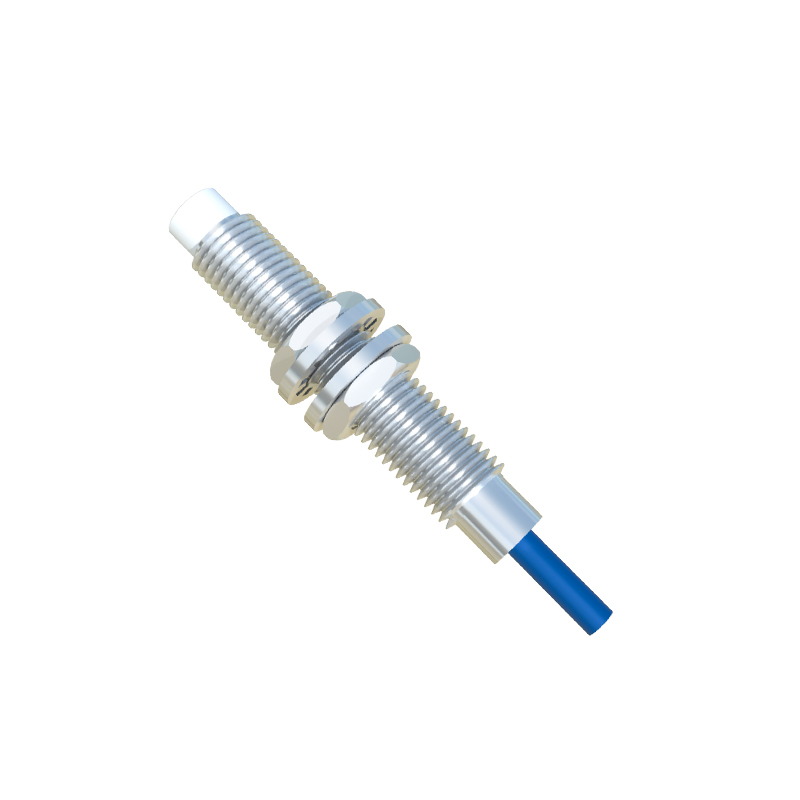
Two-wire sensors are the simplest in design. They connect directly in series with the load (e.g., a relay or PLC input). One wire is for the power supply (positive), and the other is for the output signal. These sensors are often used in AC circuits and are known for their ease of installation. However, they have a voltage drop when active, which can affect performance in low-voltage applications. They are commonly found in basic on/off detection tasks where precision is not critical.
Three-Wire Proximity Sensors
Three-wire sensors are the most prevalent in industrial settings. They provide separate wires for power supply, ground, and output signal, reducing voltage drop issues. The standard wiring includes:
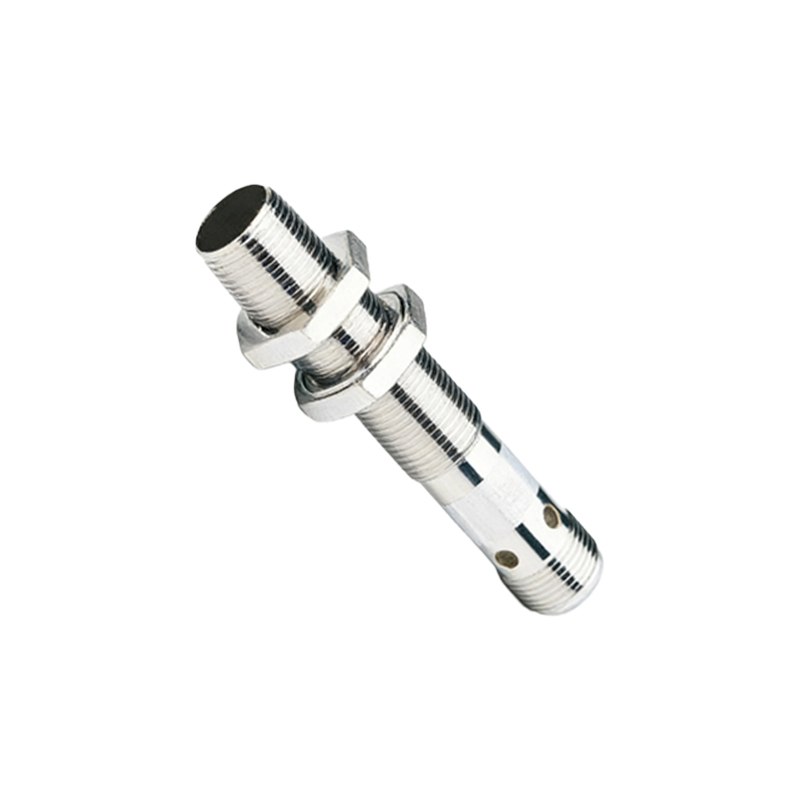
- Brown wire: Connected to the positive DC supply voltage (typically +24V DC).
- Blue wire: Connected to the ground or negative supply.
- Black wire: The output signal wire (switched positive or negative depending on the sensor type—PNP or NPN).
This configuration allows for more reliable and stable operation, especially in DC systems. Three-wire sensors are versatile and used in countless applications, from conveyor systems to robotic arms.
Four-Wire Proximity Sensors
Four-wire sensors add an extra wire for enhanced functionality. They typically include two output wires (e.g., one normally open and one normally closed) along with power and ground wires. This setup enables dual output options, allowing the sensor to control two separate circuits or provide fail-safe operations. For instance, one output might trigger an alarm while another controls a machine process. These sensors are ideal for complex systems requiring redundancy or multiple control signals.
Additional Configurations: Specialized Sensors
Some advanced proximity sensors may have more than four wires, such as five or six, to support features like analog outputs (e.g., 4-20mA or 0-10V), IO-Link communication, or diagnostic indicators. These are used in smart factories and Industry 4.0 applications, where data exchange and real-time monitoring are crucial.
Choosing the Right Wiring Configuration
Selecting the appropriate sensor depends on your system requirements:
- Use two-wire sensors for simple AC applications with minimal wiring complexity.
- Opt for three-wire sensors for most DC industrial applications due to their reliability.
- Consider four-wire or multi-wire sensors for advanced control, redundancy, or communication needs.
Always refer to the sensor datasheet for specific wiring diagrams and specifications, as colors and functions can vary by manufacturer.
In summary, the number of wires in a proximity sensor—whether 2, 3, 4, or more—directly impacts its functionality and integration into control systems. Understanding these configurations ensures optimal performance, safety, and efficiency in automation projects. As technology evolves, sensors continue to advance, but the fundamental wiring principles remain essential knowledge for every electrical professional.