In the vast landscape of industrial automation and control systems, magnetic proximity sensors stand as a cornerstone technology for non-contact detection. These robust and reliable devices operate on the fundamental principle of detecting the presence or absence of a magnetic field, typically generated by a permanent magnet. Unlike other sensor types, they excel in harsh environments—withstanding dirt, dust, moisture, and vibration—making them indispensable in numerous applications. This article delves into the primary types of magnetic proximity sensors, their operational mechanisms, key applications, and essential factors for selection.
The most prevalent type is the Reed Switch Sensor. It consists of two ferromagnetic, low-reluctance reed elements hermetically sealed within a glass capsule filled with an inert gas. When an external magnetic field from a target magnet approaches, the reeds magnetize, attract each other, and make contact, closing the circuit. Upon removal of the field, the reeds' spring force separates them, opening the circuit. Reed sensors are celebrated for their simplicity, low cost, and ability to switch both low-power AC and DC loads. However, their mechanical nature can limit switching speed and cycle life compared to solid-state alternatives.
A more advanced and widely adopted category is the Hall Effect Sensor. These solid-state devices utilize the Hall effect: when a current-carrying conductor is placed in a magnetic field perpendicular to the current flow, a voltage (the Hall voltage) is generated transverse to both. Integrated circuits measure this voltage to detect the magnetic field's presence, strength, and sometimes polarity. Hall effect sensors offer significant advantages, including very high switching frequencies (into the hundreds of kHz), virtually infinite operational life due to no moving parts, and excellent repeatability. They can provide both digital (on/off) and analog (proportional to field strength) outputs. Sub-types include unipolar (responding to one pole of a magnet), bipolar (responding to both poles with different switching behaviors), and omnipolar (responding to either pole).
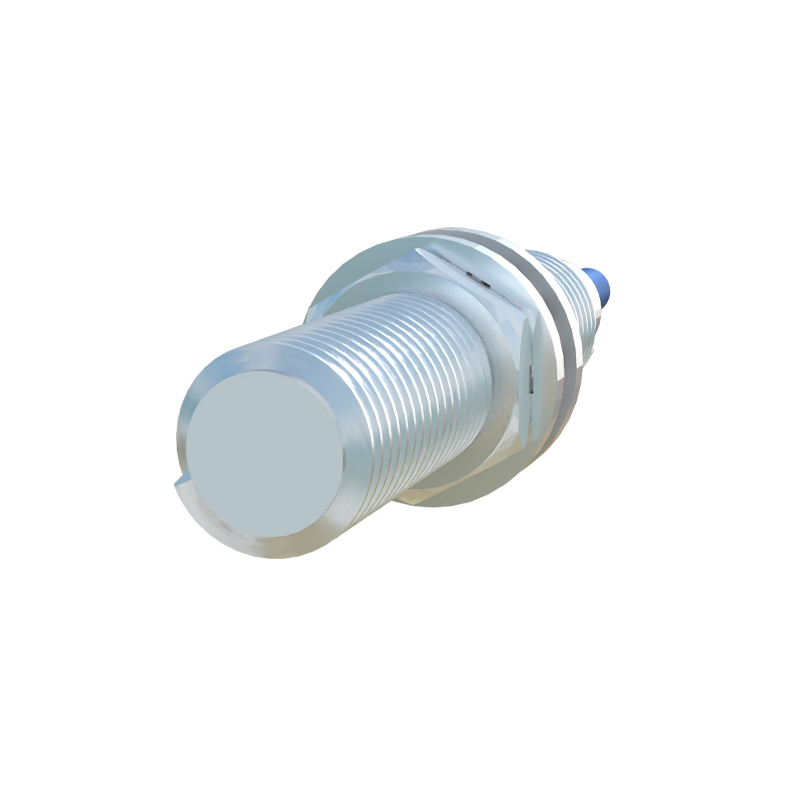
A third major type is the Magnetoresistive (MR) Sensor. These sensors exploit the magnetoresistive effect, where the electrical resistance of certain materials changes in the presence of a magnetic field. Common variants include Anisotropic Magnetoresistive (AMR) and Giant Magnetoresistive (GMR) sensors. MR sensors are exceptionally sensitive and can detect very small changes in magnetic field strength and direction. This makes them ideal for precise position sensing, angular measurement, and high-resolution encoding applications, though they are generally more complex and costly than Hall effect sensors for simple proximity tasks.
Applications for these sensors are diverse. In automotive systems, they are used for gearbox speed sensing, brake pedal position, and seat belt detection. In factory automation, they detect cylinder piston position in pneumatic and hydraulic actuators, monitor conveyor belt operations, and provide end-of-travel limits on machinery. Consumer appliances like washing machines and dishwashers use them for lid/door safety switches. Furthermore, they are critical in security systems for door and window contact sensing.
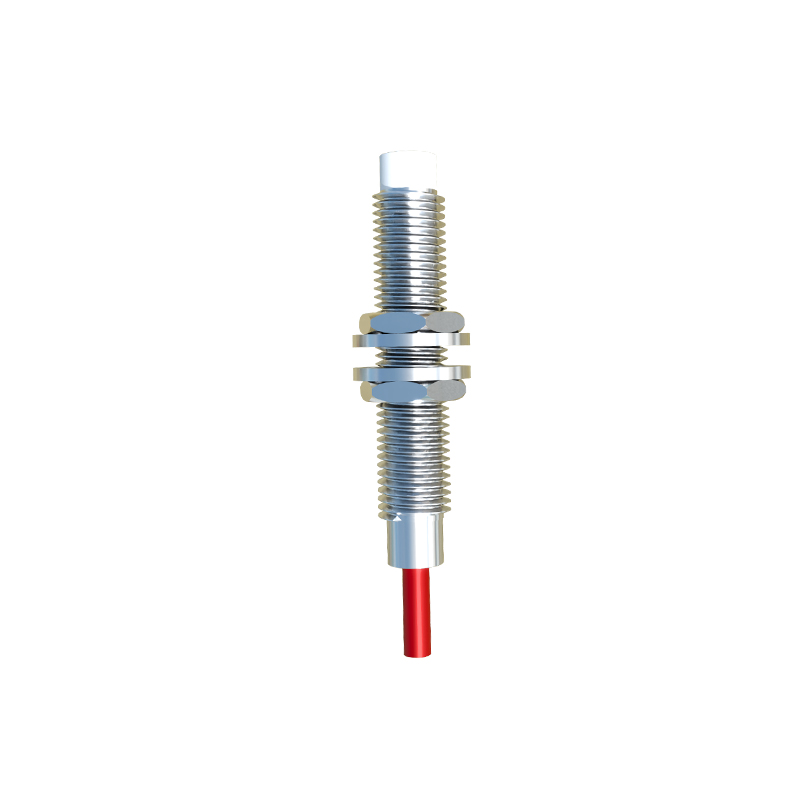
Selecting the right magnetic proximity sensor requires careful consideration of several parameters. Sensing Distance: The maximum operational distance between the sensor and the target magnet, which depends on magnet strength and sensor sensitivity. Output Type: Choose between NPN (sinking) or PNP (sourcing) transistor outputs, analog voltage/current, or push-pull for digital Hall sensors. Supply Voltage: Match the sensor's operating voltage range (e.g., 5VDC, 10-30VDC) with the available system power. Switching Frequency: Ensure the sensor's maximum response speed meets or exceeds the required application cycle time. Environmental Ratings: Key specifications include Ingress Protection (IP) rating for dust/water resistance, temperature range, and resistance to shock and vibration. Electrical Connection: Options include pre-wired cables, quick-disconnect connectors, or terminal housings. Finally, the choice of the target magnet (material, size, shape, and pole orientation) is integral to system performance and must be specified in conjunction with the sensor.
In conclusion, magnetic proximity sensors, from the classic reed switch to sophisticated Hall effect and MR sensors, offer versatile and durable solutions for position and presence detection. Understanding their distinct operating principles, strengths, and limitations is crucial for engineers and system designers to implement the most effective, reliable, and cost-efficient sensing solution for any given industrial or commercial challenge. Their continued evolution ensures they will remain a vital component in the ever-advancing field of automation.