Air pressure proximity angle sensors, often referred to as pneumatic angular position sensors, represent a critical class of instrumentation in industrial automation and control systems. Their operation hinges on a fundamental principle: the conversion of angular displacement into a proportional, measurable air pressure signal. This non-contact, robust sensing technology is particularly favored in environments where electrical sensors might pose risks due to flammability, extreme temperatures, or high electromagnetic interference.
The core working principle can be deconstructed into several key components and stages. At the heart of the sensor is a precisely machined pneumatic nozzle and a flapper or vane mechanism attached to the rotating shaft whose angle is to be measured. A constant, regulated supply of clean, dry air—typically at a low pressure such as 20-30 psi—is fed to the nozzle. The flapper, whose position is dictated by the shaft's angular rotation, is positioned very close to the nozzle orifice, creating a small, variable gap.
This gap is the critical variable. As the shaft rotates, the flapper moves closer to or farther from the nozzle. When the flapper is close to the nozzle, it restricts the airflow escaping from the orifice. This restriction causes the backpressure in the supply line upstream of the nozzle to increase. Conversely, when the flapper moves away, the gap widens, airflow increases, and the backpressure decreases. Therefore, the angular position of the shaft directly and continuously modulates the backpressure in the system.
This modulated backpressure is the primary output signal. It is a pneumatic analog signal directly proportional to the angular displacement. This signal can be utilized in several ways. In purely pneumatic control systems, it can be fed directly into pneumatic controllers, actuators, or logic elements. For integration with modern digital control systems like PLCs (Programmable Logic Controllers) or DCS (Distributed Control Systems), the pneumatic pressure signal is typically converted into an electrical signal. This is accomplished using a transducer, commonly a piezoresistive or capacitive type, which converts the 3-15 psi or 4-20 mA standard pneumatic signal range into a corresponding 4-20 mA current loop or 0-10 VDC voltage signal.
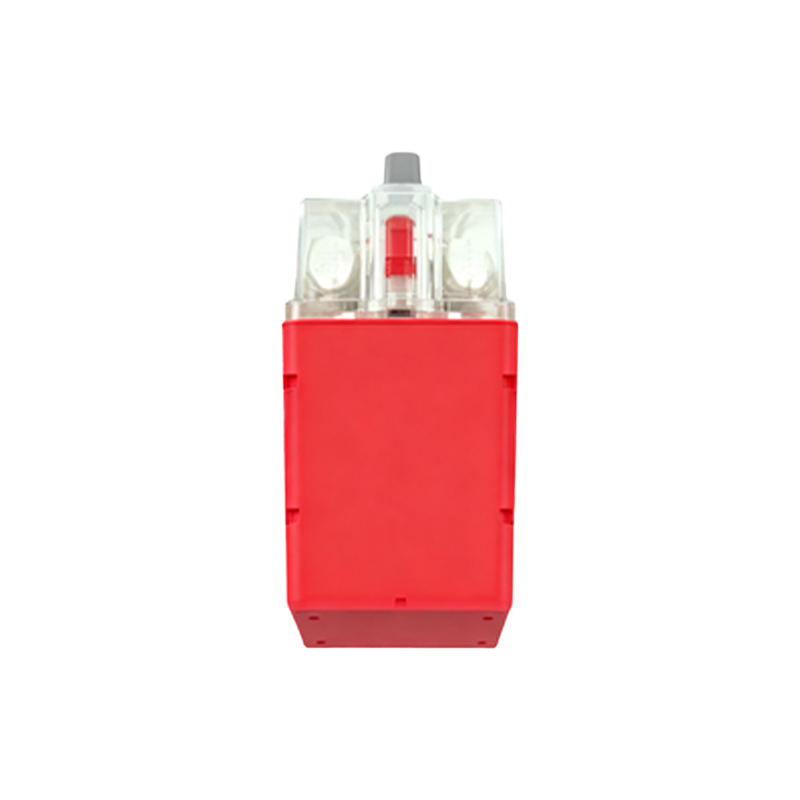
The design and calibration of these sensors focus on achieving a linear relationship between the angle and the output pressure over the specified measurement range, which might be, for example, 0-90 degrees or 0-180 degrees. Key performance characteristics include high resolution, repeatability, and minimal hysteresis. The lack of physical electrical contacts at the sensing point grants them exceptional longevity and reliability, as there are no components to wear out from friction or arcing.
Applications for air pressure proximity angle sensors are widespread in industries prioritizing safety and durability. They are extensively used in chemical processing plants, oil and gas refineries, mining operations, and paint spray booths where explosive atmospheres necessitate intrinsically safe equipment. They are also common in heavy machinery, such as in monitoring the articulation angle of excavator arms or the tilt of crane booms, where their immunity to vibration and dirt is a significant advantage.
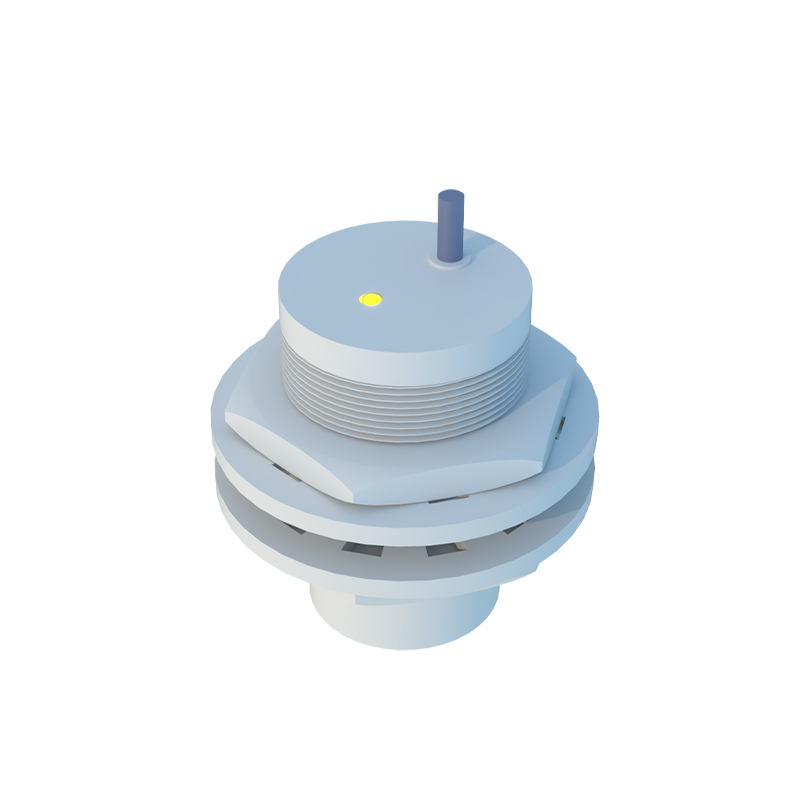
Compared to potentiometric, optical, or magnetic encoders, pneumatic angle sensors offer distinct benefits: inherent explosion-proof capability, simplicity, and excellent resistance to harsh conditions. Their limitations primarily involve a slightly slower response time compared to pure electronic sensors due to the pneumatic signal propagation, and a requirement for a clean, dry air supply. Maintenance revolves around ensuring the air supply quality and keeping the nozzle and flapper assembly free from contamination.
In summary, the air pressure proximity angle sensor operates on a elegantly simple yet highly effective physical principle. By exploiting the relationship between a mechanical gap and pneumatic backpressure, it provides a reliable, safe, and robust method for measuring angular position. Its continued relevance in modern industry underscores the value of pneumatic technology in complementing and enabling advanced automation, especially within challenging operational environments where reliability cannot be compromised.