In the rapidly evolving landscape of new energy applications, proximity sensors have become indispensable components, ensuring safety, efficiency, and reliability across various systems. From electric vehicles (EVs) to renewable energy installations like solar farms and wind turbines, these sensors play a critical role in detecting the presence or absence of objects without physical contact. This article delves into the key models of proximity sensors tailored for new energy sectors, their technical specifications, and best practices for selection.
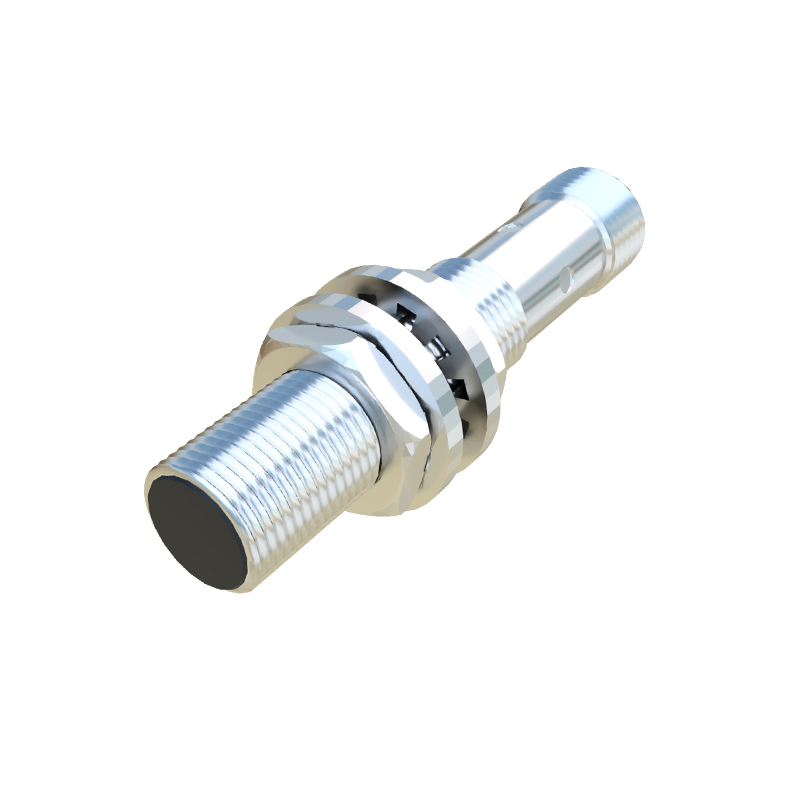
Proximity sensors in new energy environments must withstand harsh conditions, including extreme temperatures, moisture, electromagnetic interference (EMI), and vibrations. Common types include inductive, capacitive, and magnetic sensors, each suited for specific applications. For instance, inductive sensors are ideal for detecting metallic objects in EV charging stations or battery management systems, while capacitive sensors excel in monitoring liquid levels in cooling systems for solar panels. Magnetic sensors, on the other hand, are often used in wind turbine pitch control to ensure precise blade positioning.
When selecting a proximity sensor model, engineers should consider several factors. First, the sensing range must align with the application requirements—typically ranging from a few millimeters to several centimeters. Models like the Omron E2E-X series offer adjustable ranges up to 15mm, making them suitable for compact EV motor assemblies. Second, output types matter: NPN or PNP configurations determine compatibility with control systems, with many new energy setups favoring PNP for their positive switching logic. Third, environmental ratings such as IP67 or IP68 are crucial for outdoor or high-moisture settings, ensuring durability against dust and water ingress.
Popular models in the market include the Pepperl+Fuchs NBB series, known for its robust design in renewable energy grids, and the Balluff BES series, which provides high precision for robotic arms in battery manufacturing. Additionally, the Siemens 3RG series integrates advanced diagnostics for predictive maintenance in wind farms, reducing downtime and operational costs. These models often feature stainless steel housings, wide temperature tolerances (-25°C to 70°C), and low power consumption to align with energy-efficient goals.
Installation and calibration are equally important. Proper mounting distances and alignment can prevent false triggers, especially in high-vibration environments like EV drivetrains. Regular testing with multimeters or oscilloscopes helps verify signal integrity. Moreover, integrating smart sensors with IoT capabilities allows for real-time monitoring and data analytics, enhancing system performance in smart grids or autonomous charging stations.
In conclusion, choosing the right proximity sensor model for new energy applications requires a balance of technical specs, environmental resilience, and cost-effectiveness. As the industry advances, expect innovations in miniaturization, wireless connectivity, and AI-driven diagnostics to further optimize these essential components. By staying informed on the latest models and trends, engineers can drive the transition toward a sustainable energy future with confidence.