In industrial automation and control systems, proximity sensors are indispensable components for detecting the presence or absence of objects without physical contact. Their reliability hinges not only on correct selection and installation but also on proper connection and disconnection procedures. Improper handling during plugging and unplugging can lead to signal failure, sensor damage, or even safety hazards. This article details the correct methodologies for connecting and disconnecting proximity sensors, emphasizing best practices for maintenance personnel and engineers.
Before initiating any connection or disconnection procedure, the paramount rule is to ensure the complete isolation of power. Always lock out and tag out (LOTO) the control circuit. Verify with a multimeter that no voltage is present at the connection points. This step is non-negotiable for personnel safety and prevents electrical arcing that can damage sensor electronics or connector pins.
For the connection process, begin by inspecting the sensor and its cable. Check the sensor's housing for any cracks, dents, or signs of fluid ingress. Examine the connector for bent, corroded, or contaminated pins. The mating cable connector should be equally clean and undamaged. Use compressed air or appropriate electronic cleaning solvents to remove dust, oil, or metal shavings. Misalignment during plugging is a common cause of pin damage. Carefully align the connector keyways or guiding slots. Do not force the connection. A properly aligned connector will slide in with minimal, even resistance. Once fully seated, engage the locking mechanism—whether it's a screw thread, a bayonet lock, or a push-and-twist latch. A secure mechanical lock prevents vibration-induced disconnection. For sensors with integral cables, ensure the cable gland is properly tightened to maintain the IP rating and provide strain relief.
After physical connection, proceed with electrical verification. Restore power only after confirming all connections are secure. Observe the sensor's indicator LED (if equipped) for correct status—often solid on for detection or flashing for various states as per the datasheet. Use the control system's HMI or a programming device to monitor the sensor's signal. Test the sensor by introducing the target material at the specified sensing distance. Verify that the output switches reliably and without chatter.
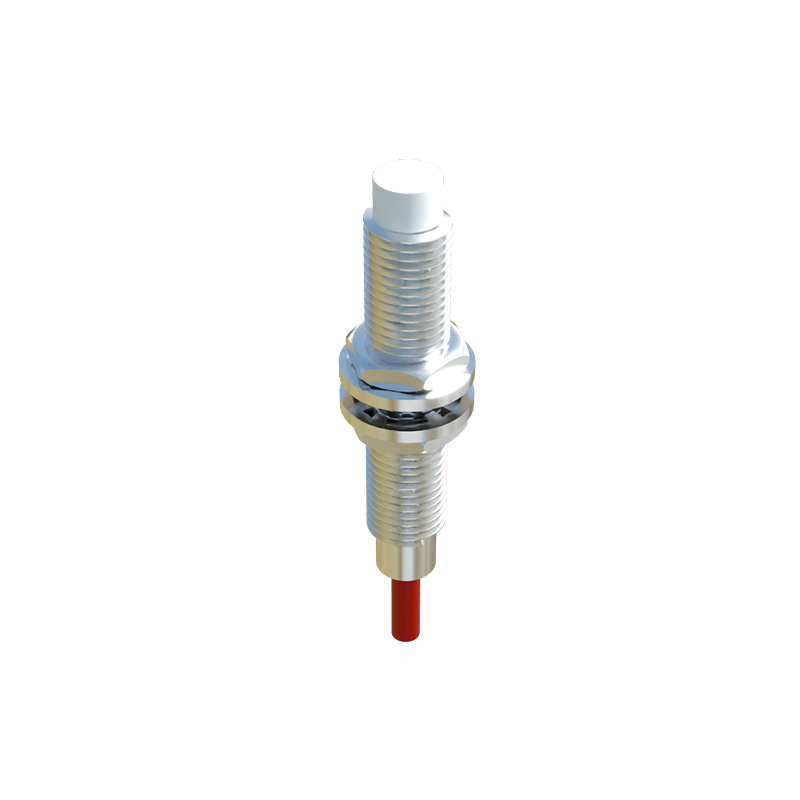
The disconnection process is equally critical and follows a reverse but deliberate sequence. First, power down the circuit using the LOTO procedure. Never pull on the cable to disconnect; this can break internal wires or damage the connector housing. If a locking mechanism is present, fully disengage it according to its design—unscrew, un-twist, or depress the release tab. Grip the connector body firmly and pull it straight out, avoiding any rocking motion that could bend pins. Once disconnected, immediately protect the exposed connector ends. Use protective caps or seal plugs to prevent contamination from dust, moisture, or coolant. This is especially vital in harsh industrial environments. If the sensor is being replaced or sent for calibration, label it clearly with relevant information such as location, fault code, and date.
Several common pitfalls must be avoided. Hot swapping, or connecting/disconnecting under load, is extremely hazardous and can cause catastrophic failure. Using mismatched connectors, even if they fit physically, can lead to incorrect wiring and short circuits. Always refer to the manufacturer's pinout diagram. Ignoring environmental seals compromises the sensor's protection against liquids and solids. Ensure all O-rings and gaskets are in good condition and properly seated during reconnection. Finally, neglecting proper cable routing and clamping near the connection point can transfer mechanical stress to the connector, leading to premature failure.
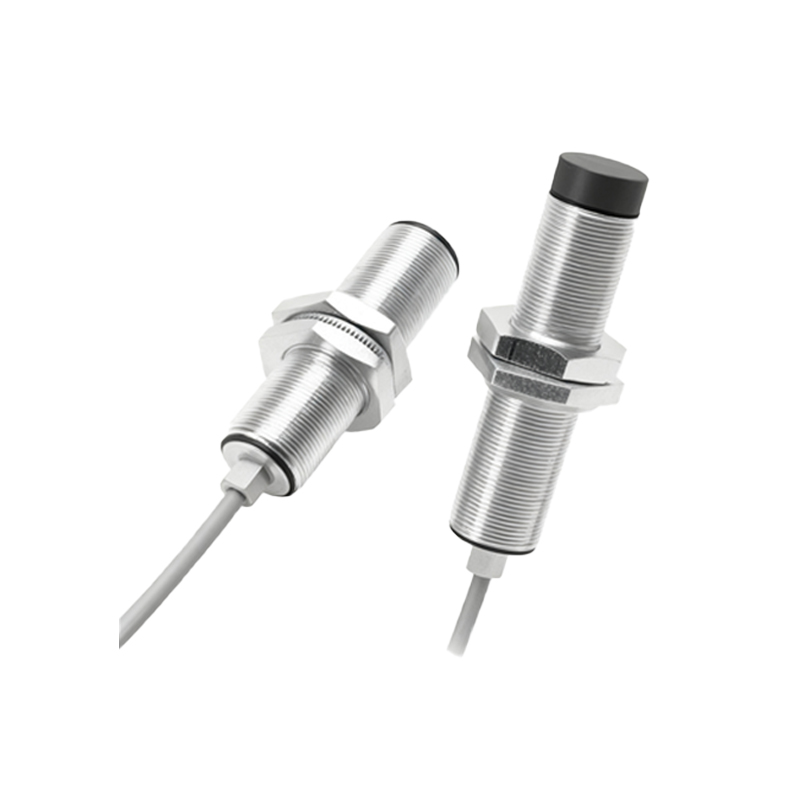
Adhering to these disciplined procedures for plugging and unplugging proximity sensors extends their service life, ensures system uptime, and safeguards both equipment and personnel. It transforms a routine maintenance task into a reliability-enhancing practice, forming a cornerstone of effective predictive and preventive maintenance strategies in modern industrial facilities.