In the realm of modern smartphone design, proximity sensors have become an indispensable component, enabling seamless user interactions and enhancing device functionality. These sensors, typically based on infrared (IR) technology, detect the presence of nearby objects without physical contact, allowing smartphones to perform tasks such as automatically turning off the display during calls to prevent accidental touches. This article delves into the working principles, types, and applications of proximity sensors in mobile devices, highlighting their role in improving energy efficiency and user experience.
Proximity sensors operate by emitting an infrared beam and measuring the reflection from objects within a short range, usually up to a few centimeters. The sensor consists of an IR LED that transmits light and a photodiode that receives the reflected signal. When an object, such as a user's ear or hand, approaches the sensor, the reflected light intensity changes, triggering the sensor to send a signal to the smartphone's processor. This process enables features like screen blanking during calls, which not only conserves battery life by reducing unnecessary display usage but also prevents unintended inputs from cheek or ear contact.
There are several types of proximity sensors used in smartphones, with the most common being the infrared-based sensor. Other variants include capacitive and ultrasonic sensors, though IR sensors dominate due to their cost-effectiveness and reliability. Infrared sensors can be further categorized into analog and digital types, with digital sensors offering better noise immunity and simpler integration with microcontrollers. In recent years, advancements in sensor technology have led to the development of multi-function sensors that combine proximity detection with ambient light sensing, allowing for automatic screen brightness adjustment based on environmental conditions.
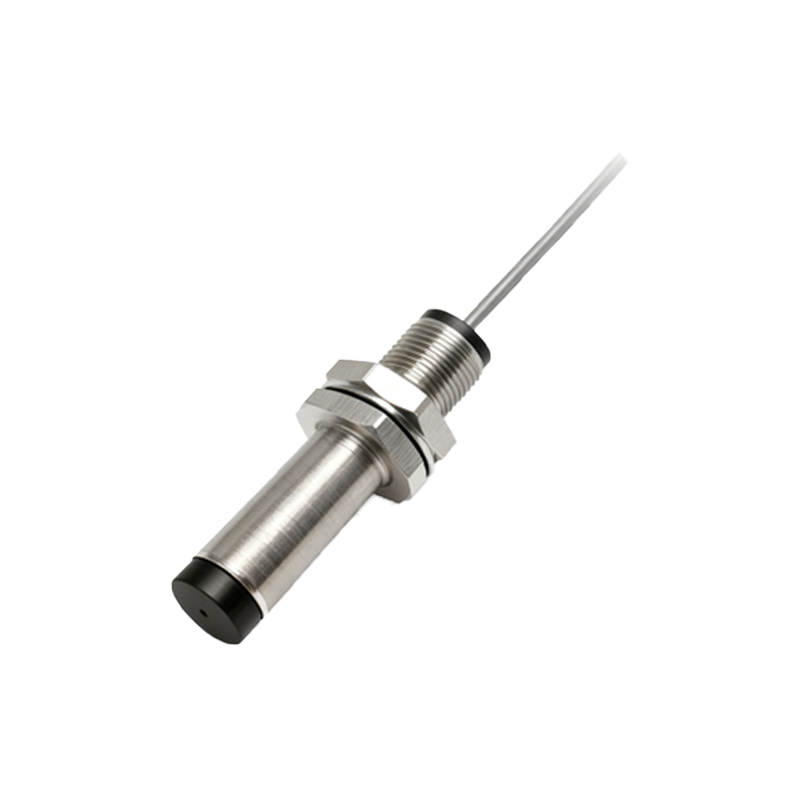
The applications of proximity sensors extend beyond call management. They are integral to features like gesture control, where hand movements near the sensor can trigger actions such as silencing alarms or answering calls. In gaming, proximity sensors enable immersive experiences by allowing players to interact with virtual environments through motion. Additionally, these sensors contribute to accessibility features, assisting users with disabilities by providing touch-free navigation options. As smartphones evolve, proximity sensors are being integrated with other components, such as front-facing cameras and speakers, to support innovative functionalities like face unlock and augmented reality.
Despite their benefits, proximity sensors face challenges such as interference from ambient light or reflective surfaces, which can cause false readings. Manufacturers address these issues through calibration techniques and software algorithms that filter out noise. Future trends in proximity sensing include the adoption of time-of-flight (ToF) sensors, which offer higher accuracy and longer detection ranges, paving the way for enhanced augmented reality applications and improved gesture recognition. As 5G and IoT technologies advance, proximity sensors will likely play a crucial role in enabling smart interactions between devices and their environments.
In conclusion, proximity sensors are a vital element in smartphone engineering, driving improvements in usability, efficiency, and innovation. Their continued evolution promises to unlock new possibilities for human-device interaction, making smartphones more intuitive and responsive to user needs. Engineers and designers must stay abreast of these developments to leverage sensor technology effectively in next-generation mobile devices.