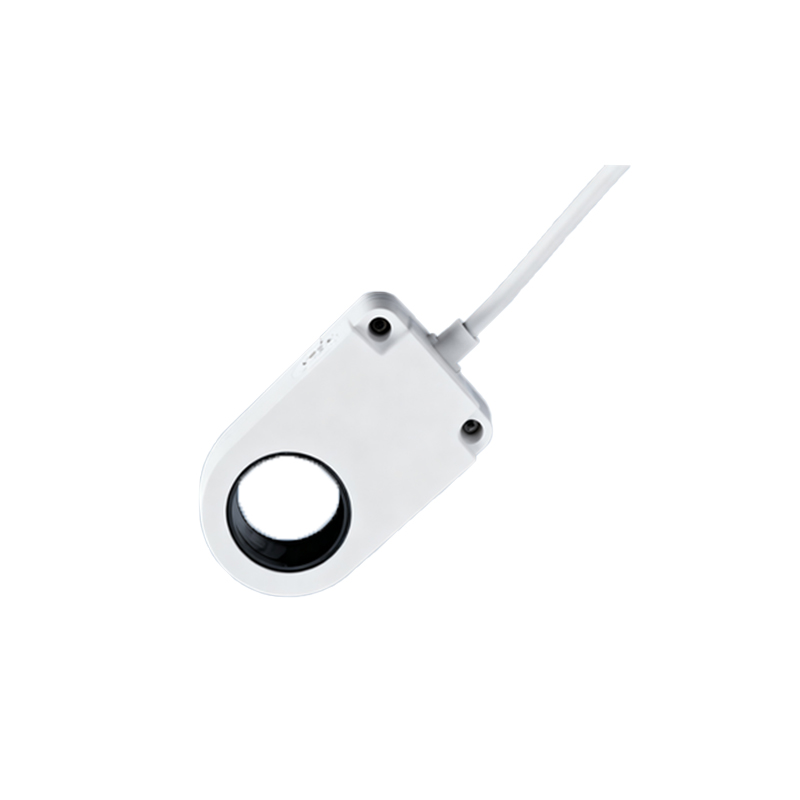
In the realm of industrial automation, the ability to detect objects without physical contact is paramount for efficiency, safety, and equipment longevity. Among the various non-contact sensing technologies, capacitive proximity sensors stand out for their unique capabilities and versatility. Unlike their inductive counterparts, which detect only metals, capacitive sensors can detect a vast array of materials, including liquids, plastics, glass, wood, and granular substances. This makes them an indispensable tool in modern manufacturing, packaging, and process control.
The fundamental operating principle of a capacitive sensor is based on the concept of capacitance. A capacitive sensor essentially functions as an open capacitor. Its active face consists of two metallic electrodes arranged concentrically or in a specific pattern, forming the sensing surface. These electrodes are connected to an oscillator circuit. When no target is present, the sensor's capacitance is at a baseline level. As a target object approaches the active face, it enters the electrostatic field generated by the electrodes. This intrusion alters the dielectric properties of the space between the electrodes. Even non-conductive materials have a dielectric constant higher than air. This change increases the overall capacitance of the system. Once this capacitance reaches a pre-set threshold, the sensor's internal circuitry triggers a state change in its output signal, typically switching a solid-state output (PNP/NPN) or a relay.
Key performance characteristics define a capacitive sensor's suitability for an application. The sensing distance, or nominal range (Sn), is specified for a standard target (often steel). It's crucial to note that the effective sensing range can vary significantly with different materials. For instance, a sensor with an Sn of 10mm for steel might only sense water at 8mm or plastic at 3mm, depending on the material's dielectric constant. Factors like the target size, shape, and environmental conditions (temperature, humidity, presence of contaminants) also influence performance. Another critical specification is the hysteresis, a built-in differential between the switch-on and switch-off points, which prevents output chatter when a target is at the exact sensing limit.
The applications for capacitive proximity sensors are diverse. In liquid level detection, they reliably monitor the fill level of tanks containing water, chemicals, or food products, whether through direct contact with the liquid or through a non-metallic container wall. In packaging lines, they ensure the presence of plastic bottles, glass vials, or cardboard boxes on conveyors. They are used to detect the presence of wood panels in furniture manufacturing, monitor granulate levels in hoppers, and even sense the presence of hands or fingers in human-machine interface (HMI) applications, such as touch-sensitive control panels—a technology derived from capacitive sensing.
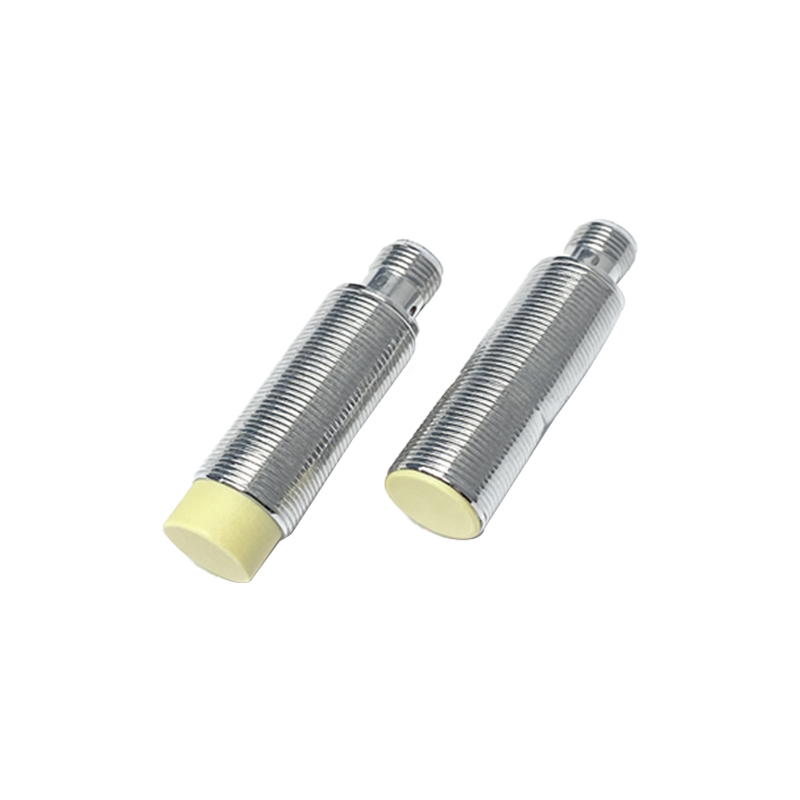
Selecting the right capacitive sensor requires careful consideration. First, identify the target material and its dielectric constant to determine the required sensing range. Next, consider the housing material; sensors come in cylindrical (M8, M12, M18, M30) or rectangular housings, often made of stainless steel, nickel-plated brass, or PBT plastic for corrosive environments. The output type must match the control system's input requirements (e.g., 3-wire DC PNP/NPN, analog 4-20mA, or IO-Link for smart sensors). Environmental factors are critical: sensors rated IP67 or IP69K are necessary for washdown areas in food and beverage plants, while high-temperature variants are needed for foundries or oven applications. Finally, features like adjustable sensitivity via a potentiometer or teach-in function are invaluable for fine-tuning the sensor to ignore background interference, such as a mounting bracket or a container wall.
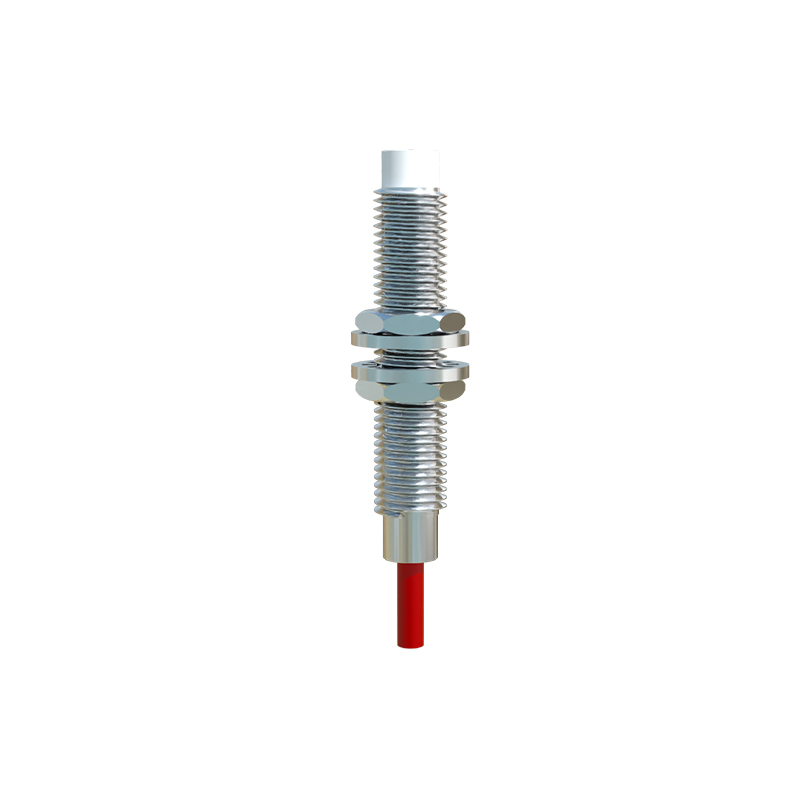
Installation and commissioning also demand attention. Maintaining the correct mounting distance from surrounding metal (as per the manufacturer's guidelines) prevents false triggering due to side-effects. For sensing through walls, the container material and thickness must be compatible, and the sensor's sensitivity must be adjusted accordingly. Regular maintenance involves cleaning the sensing face of buildup (like dust, grease, or moisture film) that can act as a permanent target and cause malfunction.
In conclusion, capacitive proximity sensors offer a robust and flexible solution for non-contact detection across a wide spectrum of materials. Their operation, grounded in the physics of capacitance, enables applications where other sensor types fail. A successful implementation hinges on a thorough understanding of the target material, environmental conditions, and precise sensor specifications. As Industry 4.0 advances, smart capacitive sensors with diagnostic capabilities and digital communication protocols like IO-Link are becoming standard, providing not just detection but valuable process data, further solidifying their role as a cornerstone of automated industrial systems.