In the realm of industrial automation and control systems, proximity sensors are indispensable components for non-contact object detection. Among the various types available, unshielded proximity sensors hold a distinct position, offering unique advantages and considerations for specific applications. Unlike their shielded counterparts, which have a metal ring surrounding the sensing face to concentrate the electromagnetic field, unshielded sensors lack this feature, resulting in a wider, more diffuse sensing field.
The fundamental operating principle of most unshielded proximity sensors is based on electromagnetic induction. The sensor generates a high-frequency oscillating electromagnetic field from its active face. When a metallic target enters this field, eddy currents are induced on the target's surface. These currents absorb energy from the oscillator, causing a change in its amplitude. The sensor's internal circuitry detects this amplitude reduction and triggers a switching signal. For capacitive unshielded sensors, the principle involves detecting a change in capacitance when any material (metallic or non-metallic) with a different dielectric constant than air enters the sensing field.
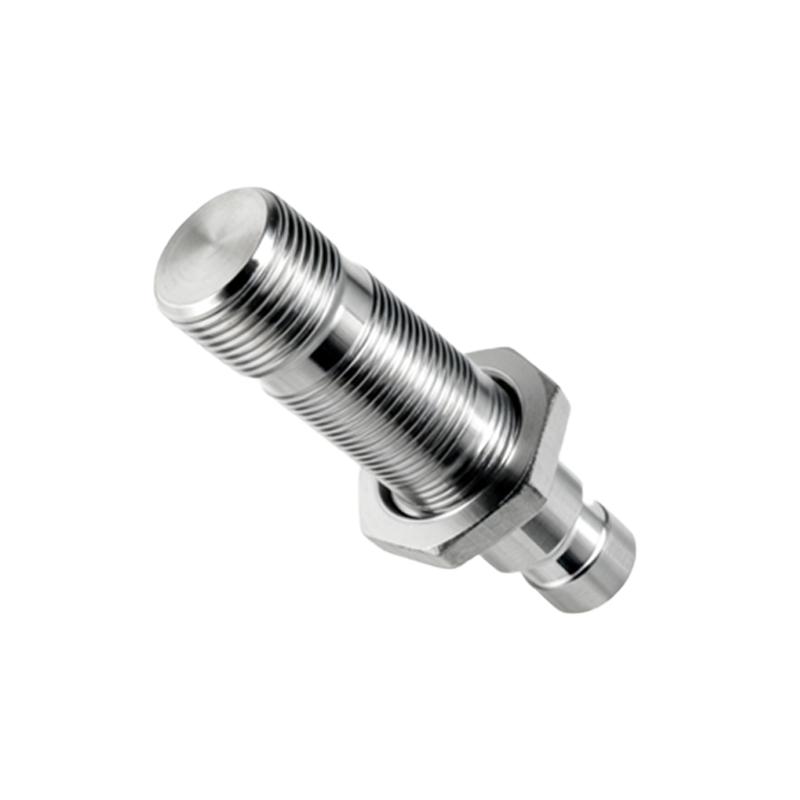
The primary characteristic of an unshielded design is its extended lateral sensing range. The sensing field is not constrained laterally, allowing for detection from the sides of the sensor. This can be highly beneficial in applications where precise alignment between the sensor and the target is challenging or where a broader detection zone is required. For instance, in conveyor systems where objects may wobble or be presented at slightly varying positions, an unshielded sensor provides a more forgiving detection envelope. However, this very feature necessitates careful installation. Unshielded sensors are susceptible to interference from surrounding metallic objects, such as machine frames, brackets, or other sensors installed in close proximity. If a conductive material is within the sensor's extended field, it may cause false triggering or a reduction in the nominal sensing distance. Therefore, maintaining adequate clearance from all adjacent metal surfaces, as specified by the manufacturer's installation guidelines, is critical for reliable operation.
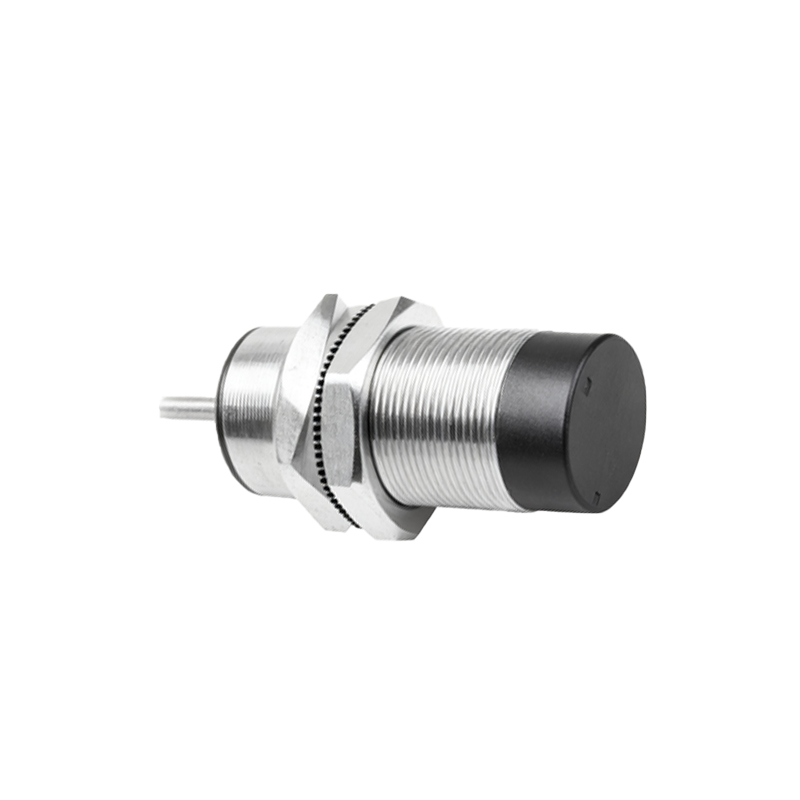
Typical applications for unshielded inductive proximity sensors are found in scenarios where lateral detection is an advantage and the mounting environment can be controlled. They are often employed in material handling, packaging machinery, and assembly lines for detecting metallic components like nuts, bolts, or tools. Their ability to sense from the side makes them suitable for edge detection on metal sheets or for monitoring the passage of objects on a non-metallic chain. Capacitive unshielded sensors, with their ability to detect liquids, plastics, wood, and other materials, are widely used in level detection for tanks and silos, presence detection of non-metallic packages, and monitoring of material interfaces.
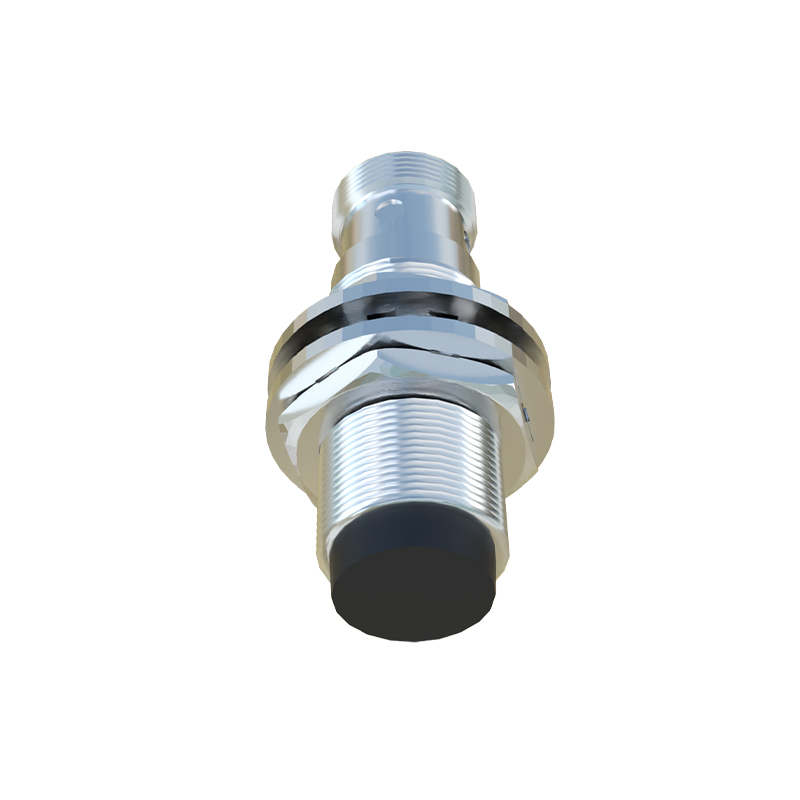
When selecting an unshielded proximity sensor for an application, several key parameters must be evaluated. The nominal sensing distance (Sn) is specified for a standard target. It is crucial to note that this distance can be influenced by the target material's properties, such as its size, shape, and specific metal type (steel, aluminum, brass). Temperature range and environmental conditions like exposure to chemicals, coolants, or washdown procedures dictate the required housing material (often nickel-plated brass or stainless steel) and ingress protection (IP) rating. The electrical output type (e.g., NPN, PNP, NO, NC) must be compatible with the controller's input module. Additionally, factors like switching frequency, voltage supply range, and connection method (pre-wired cable or quick-disconnect) play a vital role in system integration.
Installation best practices are paramount. Engineers must adhere to the recommended mounting distances, ensuring no metal is present within the sensor's lateral and frontal dead zones. Using non-metallic mounting brackets can help mitigate interference. For applications involving multiple sensors, staggering their installation or maintaining sufficient separation prevents mutual interference. Regular maintenance, though minimal for these solid-state devices, involves checking for physical damage, buildup of debris on the sensing face, and verifying electrical connections.
In conclusion, unshielded proximity sensors are powerful tools offering flexible detection capabilities due to their wider sensing field. Their successful implementation hinges on a thorough understanding of their operating principle, a careful assessment of the application environment to avoid interference, and strict adherence to installation guidelines. By thoughtfully integrating these sensors, engineers can achieve robust, reliable, and cost-effective automation solutions for a diverse array of industrial detection tasks.