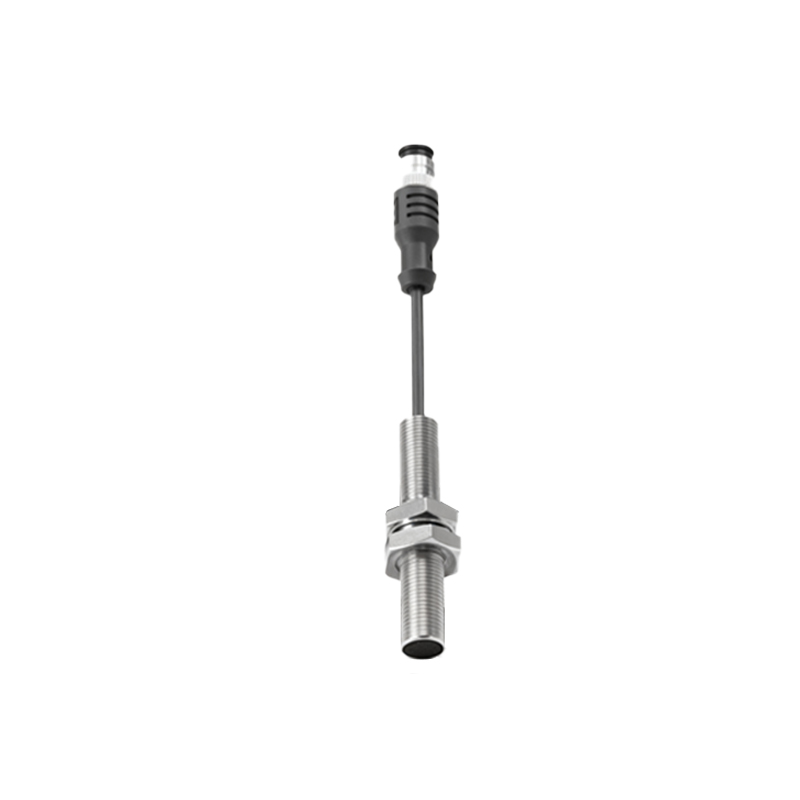
In industrial automation and control systems, proximity sensors play a critical role in detecting the presence or absence of objects without physical contact. Their status indication—conveyed through visual signals like LED lights, auditory alerts, or digital communication outputs—is fundamental for operational efficiency, safety, and maintenance. Understanding how to interpret and utilize these status signals is essential for engineers, technicians, and system integrators.
Proximity sensors, including inductive, capacitive, and photoelectric types, typically feature built-in indicators. The most common form is an LED (Light Emitting Diode) that changes color or blinking pattern based on the sensor's state. A steady green LED often signifies normal operation with the target object within the sensing range. A red or amber light may indicate an error condition, such as wiring faults, short circuits, or sensor misalignment. Some advanced models incorporate multi-color LEDs or sequential blinking codes to represent specific diagnostic messages, enabling quick troubleshooting without additional tools.
Beyond visual cues, many modern proximity sensors integrate output status signals into programmable logic controller (PLC) networks or industrial communication protocols like IO-Link, PROFINET, or EtherNet/IP. These digital interfaces provide real-time data on sensor health, including parameters like operating temperature, signal strength, and contamination levels. This data can be displayed on human-machine interface (HMI) screens or supervisory control and data acquisition (SCADA) systems, allowing for predictive maintenance and reducing unplanned downtime.
The design of status indication must consider environmental factors. In high-vibration or dusty environments, bright LEDs with robust housings ensure visibility. In areas with potential explosive atmospheres, intrinsically safe designs prevent ignition risks. Additionally, adherence to international standards, such as IEC 60947-5-2 for proximity sensor performance and indication, ensures interoperability and safety across global installations.
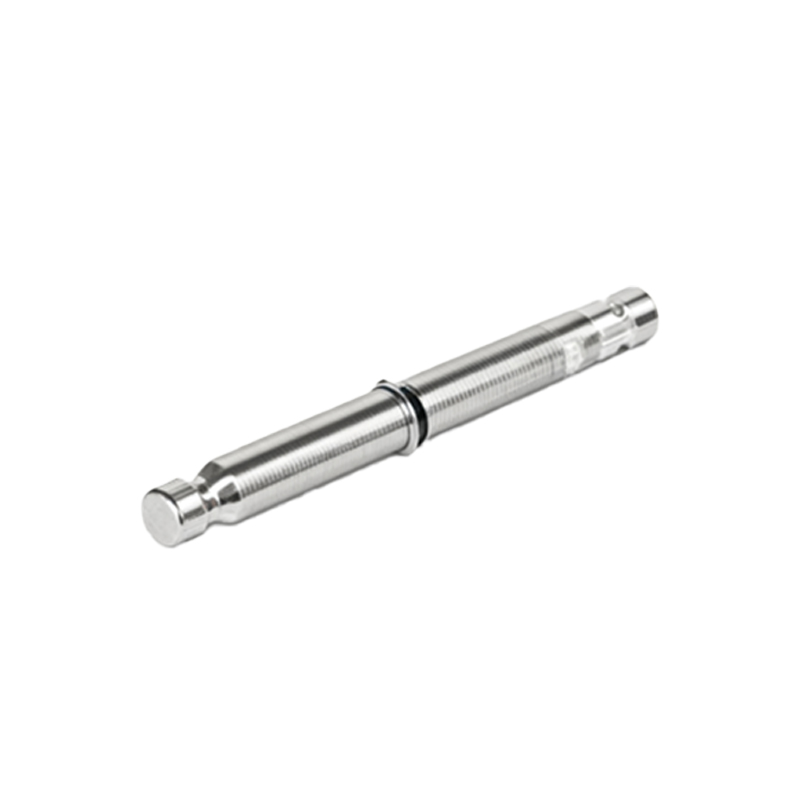
Effective utilization of status indicators enhances system reliability. For instance, a rapidly blinking LED might signal an unstable detection due to target material variations or excessive sensing distance, prompting recalibration. Consistent monitoring of these indicators during routine checks helps identify gradual performance degradation before complete failure. Training personnel to recognize common status patterns—like distinguishing between a power-on indicator and a target detection signal—is equally important.
In summary, proximity sensor status indication is not merely a convenience but a vital component of industrial automation. By accurately interpreting LED signals, leveraging digital diagnostics, and adhering to operational standards, engineers can optimize sensor performance, ensure workplace safety, and maintain seamless production flows. As Industry 4.0 advances, the integration of smart sensors with enhanced diagnostic capabilities will further transform status monitoring into a proactive, data-driven practice.