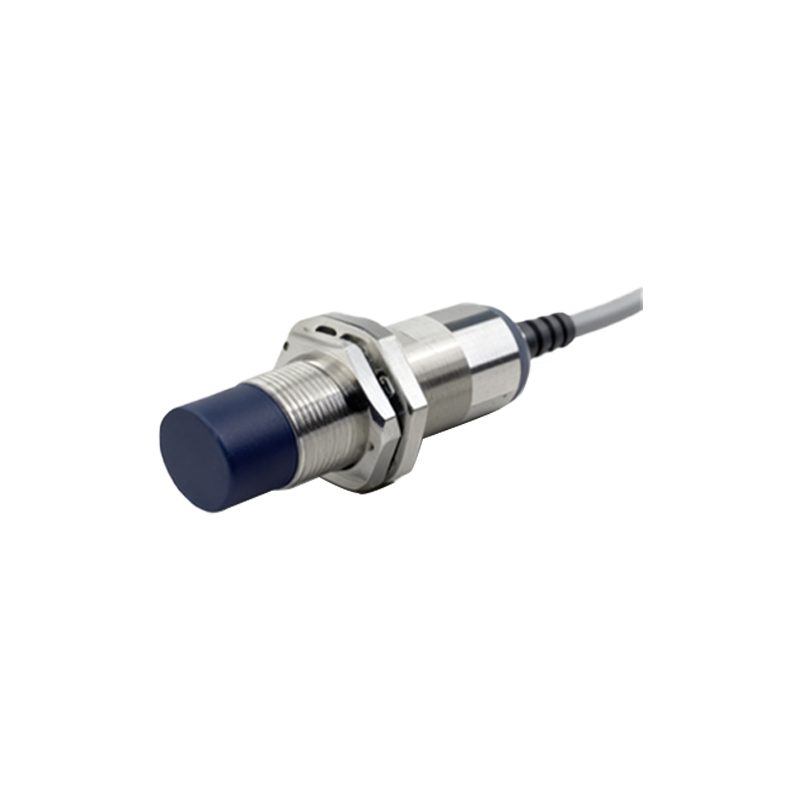
Capacitive proximity sensors have emerged as a versatile and reliable solution for human detection in various industrial environments. Unlike traditional mechanical switches or optical sensors, capacitive sensors operate by detecting changes in capacitance caused by the presence of an object, including the human body. This technology leverages the fact that the human body, composed largely of water and electrolytes, acts as a conductive medium that alters the electric field generated by the sensor. When a person approaches the sensor's active area, the capacitance between the sensor electrode and ground increases, triggering an output signal. This principle allows for non-contact detection through non-metallic materials such as plastic, glass, or wood, making these sensors ideal for applications where aesthetics or hygiene are priorities, like in medical equipment, automated doors, or touch-sensitive control panels.
The core components of a typical capacitive proximity sensor include an oscillator circuit, a sensing electrode, and a signal conditioning unit. The oscillator generates an alternating electric field around the electrode. When a human body enters this field, it disturbs the field lines, causing a measurable shift in the oscillator's frequency or amplitude. This change is processed by the conditioning unit, which converts it into a digital or analog output to indicate detection. Advanced sensors incorporate microcontrollers for sensitivity adjustment, enabling customization based on factors like distance, object size, and environmental conditions. For instance, in a factory setting, sensors can be calibrated to ignore small metal tools while reliably detecting workers to enhance safety around machinery.
One of the key advantages of capacitive sensors in human detection is their ability to function in challenging environments. They are largely immune to ambient light, dust, and moisture, unlike optical sensors that may fail in dirty or foggy conditions. Additionally, they do not require physical contact, reducing wear and tear and minimizing maintenance needs. In industrial safety systems, capacitive sensors are often deployed in emergency stop mechanisms or presence detection systems to prevent accidents. For example, on conveyor belts or robotic arms, these sensors can halt operations if a worker's hand or body part is detected within a hazardous zone, complying with safety standards like ISO 13855.
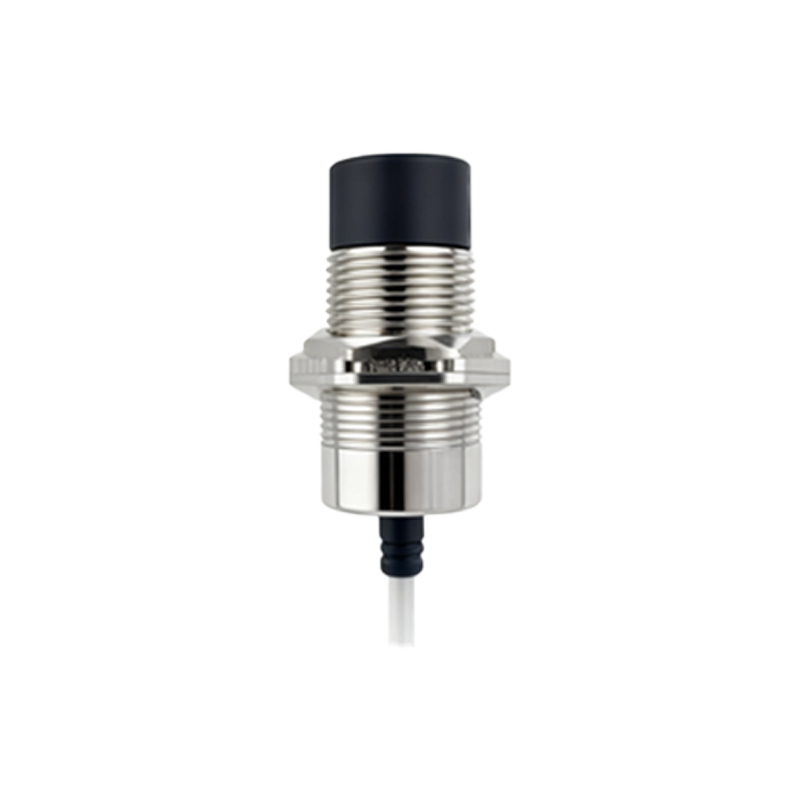
However, designing effective human detection systems with capacitive sensors requires careful consideration of several factors. Sensitivity settings must be optimized to avoid false triggers from environmental interference, such as humidity fluctuations or nearby moving metal objects. Shielding techniques are employed to direct the electric field and limit detection range, ensuring precise operation. In applications like touchless faucets or elevator buttons, sensors are often integrated with algorithms to distinguish between intentional human interaction and accidental proximity, improving user experience and energy efficiency. Moreover, modern sensors support IoT connectivity, allowing for real-time monitoring and data logging in smart factories, where they contribute to predictive maintenance and workflow optimization.
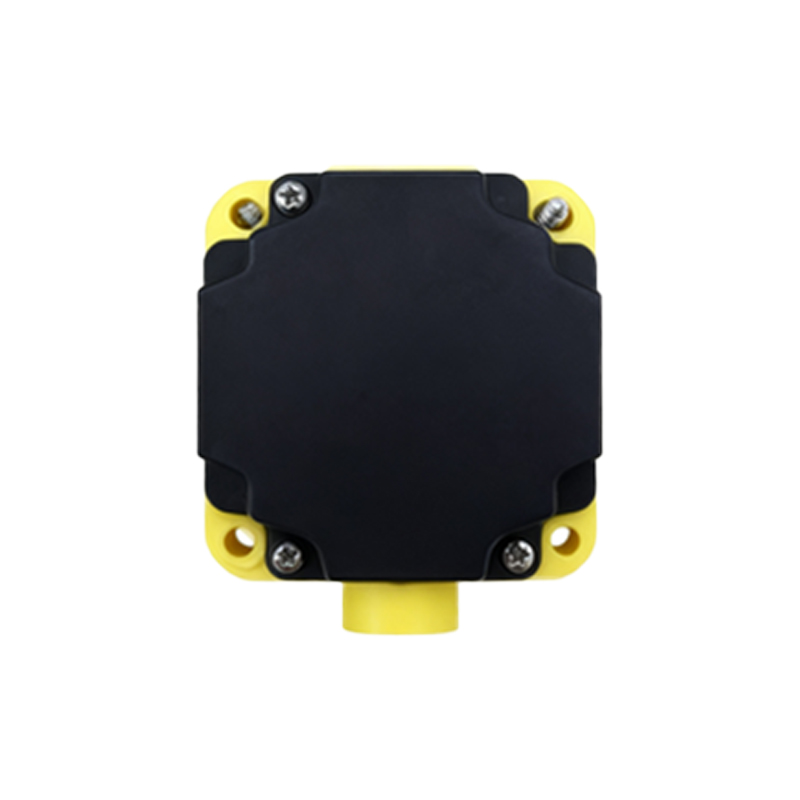
Looking ahead, innovations in capacitive sensing technology are expanding its role in human detection. Developments in multi-electrode arrays and machine learning enable more sophisticated applications, such as gesture recognition in automotive interiors or occupancy sensing in smart buildings. These systems can differentiate between multiple persons or detect subtle movements, enhancing automation and interactivity. As industries increasingly prioritize safety, efficiency, and hygiene, capacitive proximity sensors offer a robust, adaptable solution. By understanding their operational principles and implementation nuances, engineers can leverage these sensors to create safer, more responsive industrial environments, ultimately driving progress in automation and human-machine interaction.