Proximity sensors are indispensable components in modern industrial automation, providing non-contact detection of metallic objects. Among various target materials, aluminum presents a unique and often challenging case due to a phenomenon known as "aluminum attenuation." This effect refers to the significant reduction in a sensor's effective sensing range when detecting aluminum objects compared to standard steel targets. The core of the issue lies in the material's electrical conductivity and its interaction with the sensor's electromagnetic field.
Standard inductive proximity sensors generate a high-frequency oscillating electromagnetic field from a coil within the sensing face. When a ferromagnetic metal like steel enters this field, it causes two primary effects: eddy currents are induced in the material, and the material's high magnetic permeability concentrates the magnetic flux. Both effects contribute to a substantial energy loss in the oscillator circuit, which the sensor's electronics detect as a valid switching signal. Aluminum, however, is a non-ferrous metal with high electrical conductivity but very low magnetic permeability. When an aluminum target enters the sensing field, eddy currents are indeed induced powerfully due to its excellent conductivity. However, the absence of magnetic permeability means there is no complementary flux concentration effect. The strong eddy currents alone cause energy loss, but the overall damping effect on the oscillator is different and less pronounced than with steel.
This fundamental physical difference necessitates a critical specification known as the "reduction factor" or "correction factor." Manufacturers typically specify a sensor's nominal sensing distance (Sn) using a standard mild steel target (often 1mm thick, square, with a side length equal to the sensor's face diameter or three times the rated sensing distance). For aluminum, this effective sensing distance is reduced. A common reduction factor for aluminum is approximately 0.3 to 0.5. This means a sensor with a 10mm sensing range for steel will typically only detect a similar-sized aluminum object at a distance of 3mm to 5mm. It is crucial to note that this factor is not universal; it varies with the specific aluminum alloy (e.g., 6061 vs. 1100), the target's size, thickness, and shape. Thin or small aluminum parts may fall below the sensor's minimum detectable limit.
Several strategies exist to mitigate aluminum attenuation in practical applications. The most direct approach is to select sensors specifically designed or characterized for non-ferrous metals. Some sensors are optimized with different operating frequencies or coil designs to provide a more balanced response. Another common practice is to use a "factor" during the design phase: simply multiply the required application sensing distance by the inverse of the reduction factor (e.g., for a 0.4 factor, multiply by 2.5) to select a sensor with a sufficiently large steel-rated distance. For instance, if you need to detect an aluminum object at 5mm, choose a sensor with a rated sensing distance of at least 12.5mm for steel.
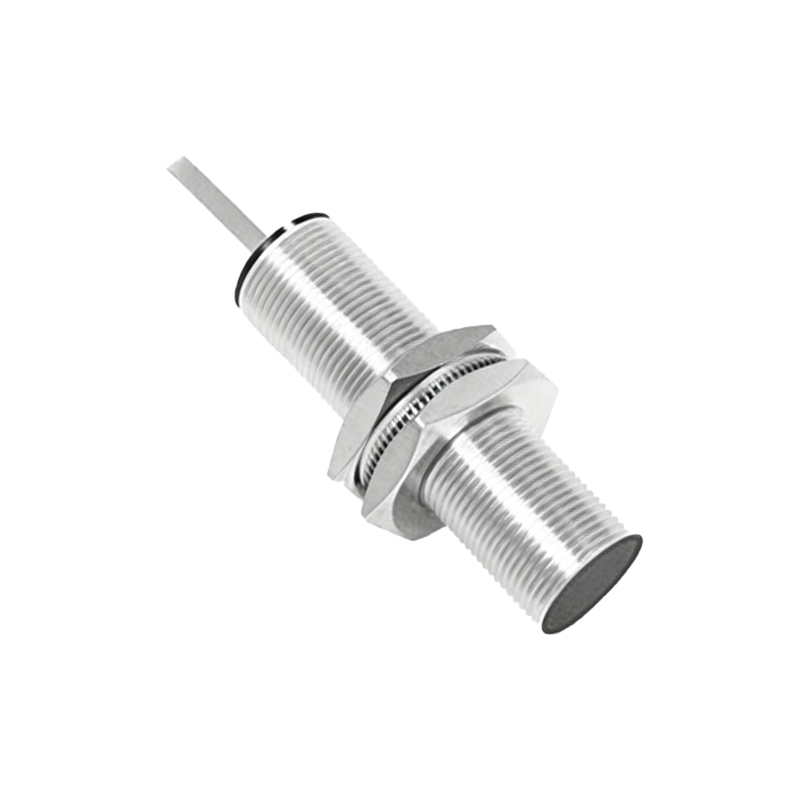
Alternative sensor technologies can also be considered. Capacitive proximity sensors detect changes in capacitance and respond to both metallic and non-metallic materials based on their dielectric constant. They are largely unaffected by the ferrous/non-ferrous distinction and can sense aluminum at ranges similar to other materials, though they are sensitive to environmental factors like moisture and dirt. Ultrasonic sensors, which use sound waves, are another viable option for detecting aluminum regardless of its metallic properties, suitable for longer ranges but with different environmental considerations.
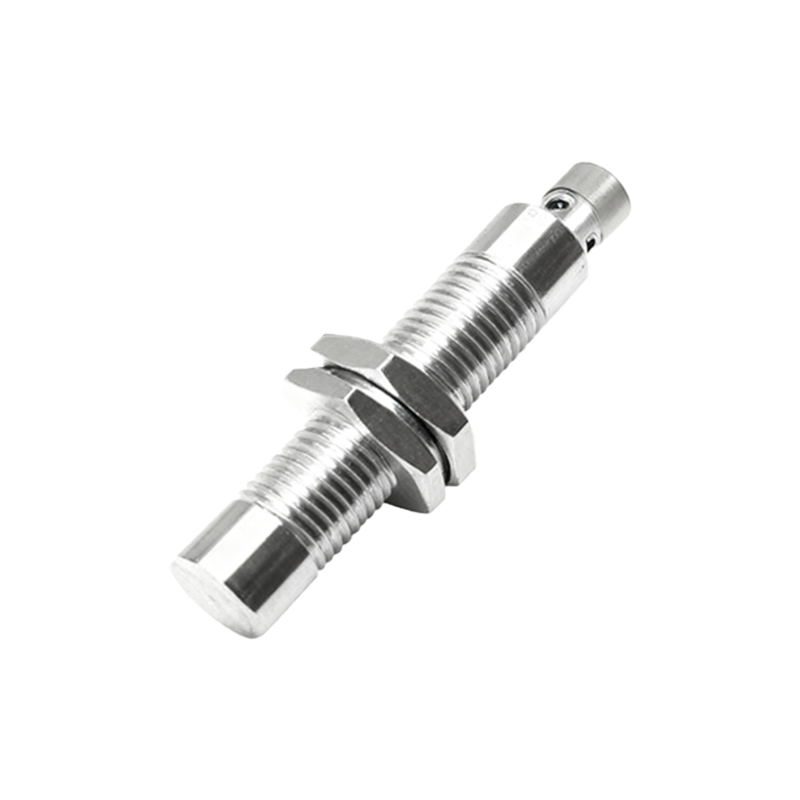
When designing a system involving aluminum detection, engineers must also account for target geometry. A flat, large surface parallel to the sensor face provides the best (though reduced) result. Edges, corners, or small fasteners like aluminum screws will drastically reduce the already attenuated sensing distance further. Temperature is another factor, as the conductivity of aluminum changes with temperature, potentially affecting sensing consistency in extreme environments.
In conclusion, aluminum attenuation is not a sensor malfunction but a predictable physical characteristic. Successful implementation requires understanding the specified reduction factors, carefully selecting and sizing the sensor, and considering the specific properties of the aluminum target. By accounting for these factors in the design phase, engineers can ensure reliable and robust detection of aluminum components, maintaining system efficiency and preventing downtime in automated processes. Always consult the specific sensor datasheet, as reduction factors are empirically determined and vary by model and manufacturer.