In the rapidly evolving landscape of industrial automation and the Internet of Things (IoT), micro wireless proximity sensors have emerged as pivotal components, driving efficiency, safety, and intelligent data acquisition. These compact, sophisticated devices detect the presence or absence of objects within a specified range without physical contact, leveraging technologies such as inductive, capacitive, ultrasonic, or photoelectric sensing. Their wireless capability, often powered by low-energy communication protocols like Bluetooth Low Energy (BLE), Zigbee, or LoRaWAN, eliminates the need for complex wiring, significantly reducing installation costs and enhancing system flexibility.
The core advantage of micro wireless proximity sensors lies in their miniaturization and energy efficiency. Engineered with advanced micro-electromechanical systems (MEMS) and ultra-low-power circuits, these sensors can operate for years on small batteries, making them ideal for deployment in hard-to-reach or hazardous environments. In manufacturing, they enable precise monitoring of assembly lines, detecting minute components or verifying robotic arm positions, thereby minimizing downtime and preventing collisions. The data transmitted wirelessly to central control systems facilitates real-time analytics, predictive maintenance, and seamless integration with Industry 4.0 frameworks.
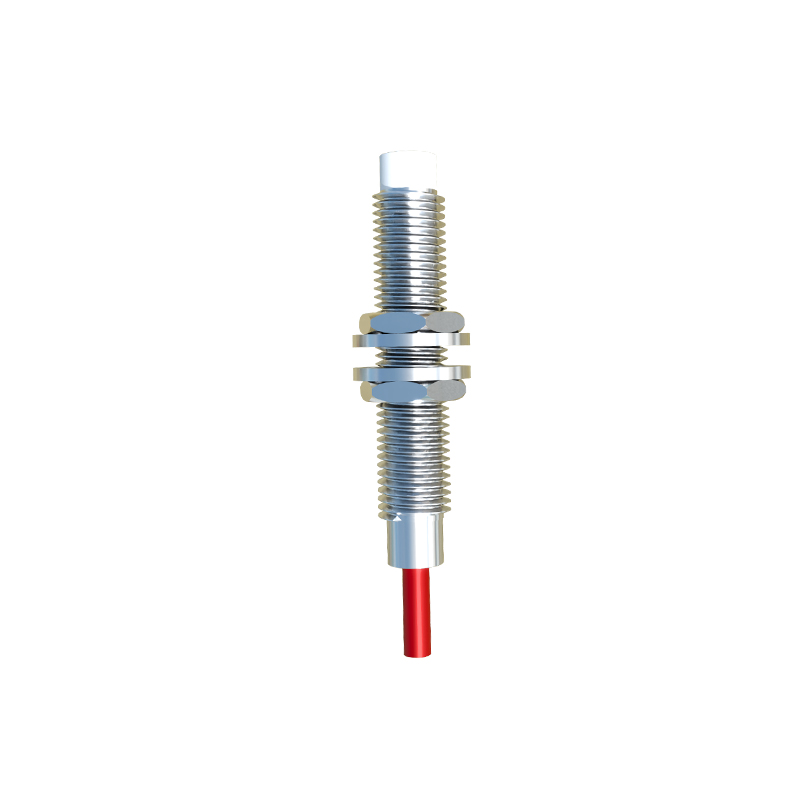
Beyond traditional industrial settings, these sensors are catalyzing innovation in smart infrastructure and consumer applications. In smart buildings, they contribute to energy conservation by controlling lighting and HVAC systems based on occupancy. In healthcare, miniature sensors monitor equipment usage or patient movement wirelessly, ensuring hygiene and safety. The automotive sector employs them for touchless interfaces and parking assistance, while logistics benefits from enhanced inventory tracking via sensor networks.
However, challenges persist, including signal interference in dense wireless environments, security vulnerabilities in data transmission, and the need for standardized protocols to ensure interoperability across diverse IoT ecosystems. Future developments are focusing on energy harvesting techniques—such as using vibrations or thermal gradients—to create truly autonomous sensors, alongside advancements in AI-driven edge computing for localized data processing.
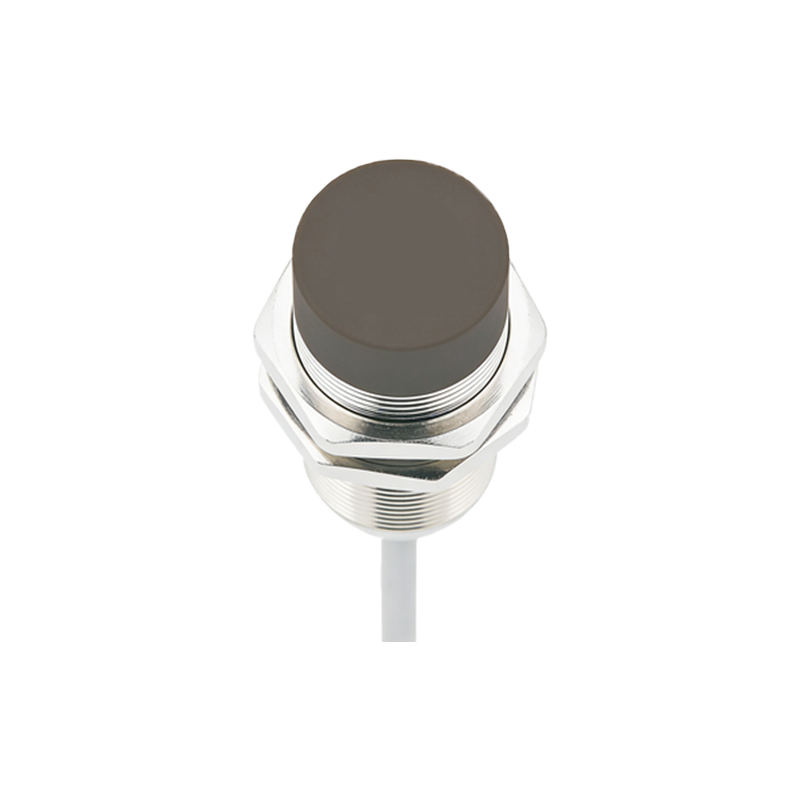
As connectivity demands grow, micro wireless proximity sensors stand at the forefront of the digital transformation, offering scalable, cost-effective solutions that bridge the physical and digital worlds. Their continued evolution promises to unlock new potentials in automation, from agile supply chains to personalized smart environments, reinforcing their status as indispensable tools in modern engineering.