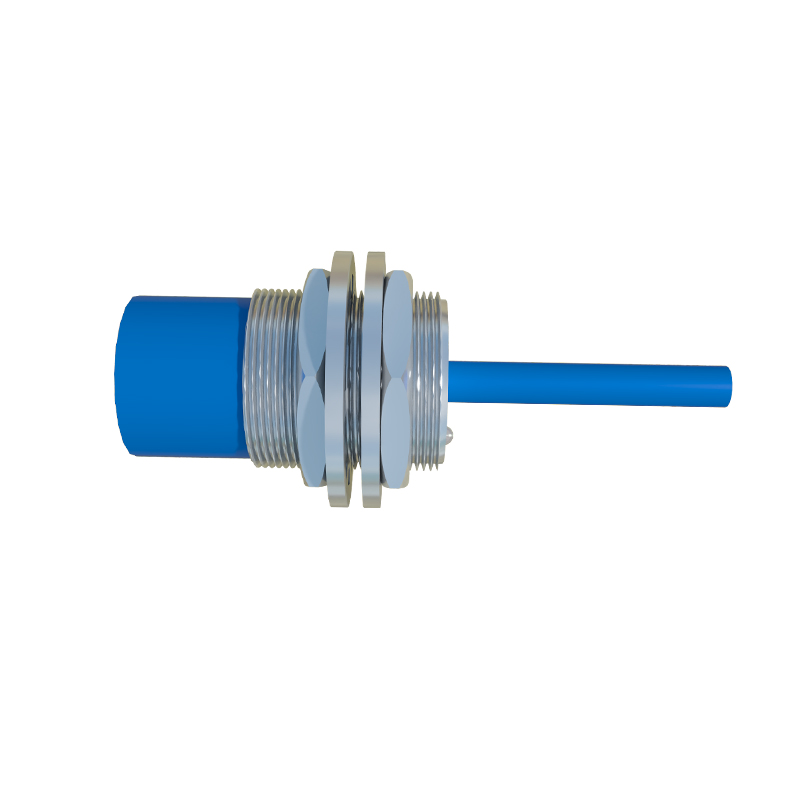
Proximity switch sensors are fundamental components in modern industrial automation, providing non-contact detection of metallic or non-metallic objects. These sensors generate electrical pulses when a target enters their sensing range, enabling precise control, counting, positioning, and safety functions in machinery and production lines. Unlike mechanical limit switches, proximity sensors operate without physical contact, reducing wear and tear and enhancing reliability in harsh environments such as manufacturing plants, automotive assembly, and material handling systems.
The core mechanism involves an oscillator circuit that creates an electromagnetic field around the sensor's active surface. When a target object disrupts this field, the sensor's output state changes, typically producing a clean, rapid electrical pulse. This pulse can be in the form of a digital signal (e.g., NPN or PNP transistor output) or an analog variation, depending on the sensor type. Key parameters defining these pulses include frequency (pulses per second), amplitude (voltage level), duty cycle, and rise/fall times. For instance, in high-speed counting applications, sensors with fast response times and high-frequency pulse outputs are essential to accurately track objects on conveyor belts without missing counts.
In practice, integrating proximity sensor pulses into control systems requires attention to electrical compatibility and environmental factors. Sensors must be matched with controllers like PLCs (Programmable Logic Controllers) or microprocessors, ensuring signal levels align (e.g., 24V DC industrial standards). Noise immunity is critical, as electrical interference in factories can distort pulses, leading to false triggers. Shielding, proper grounding, and using sensors with built-in surge protection mitigate these issues. Additionally, factors like sensing distance, target material (ferrous vs. non-ferrous metals), and temperature ranges influence pulse stability. For example, inductive proximity sensors excel with metallic targets but may require calibration for different alloys, while capacitive types can detect non-metallics like plastics or liquids.
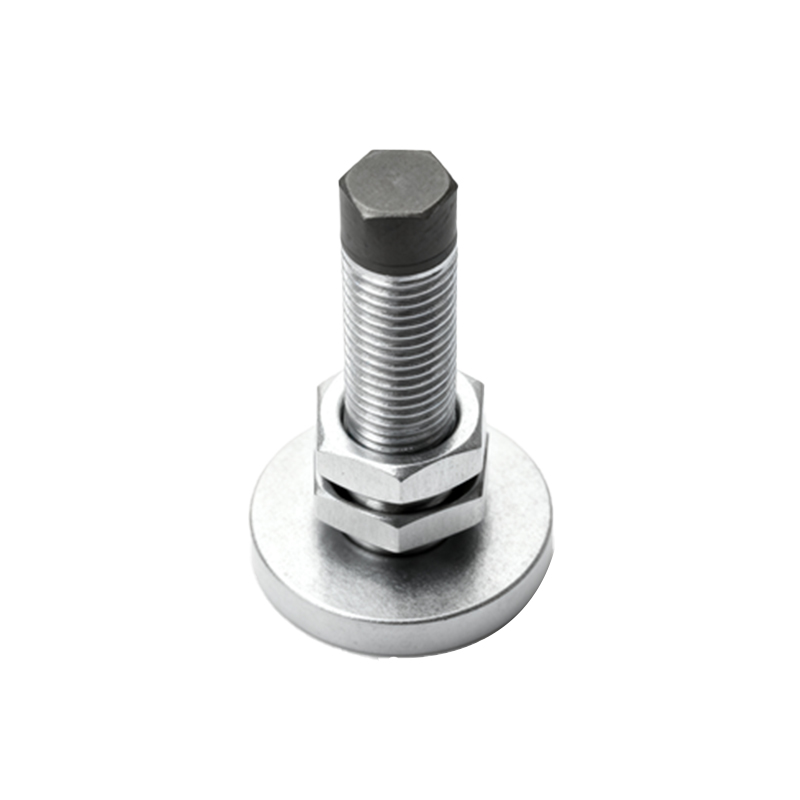
Applications of proximity sensor pulses span diverse industries. In automotive manufacturing, they synchronize robotic arms by providing pulse signals for part positioning. In packaging, they trigger fillers or sealers based on object detection. Safety systems use them as interlock signals to halt machinery when guards are opened. Advanced setups involve linking multiple sensors to create pulse trains for complex sequencing, such as in CNC machines where tool positioning relies on precise pulse feedback. Troubleshooting common issues—like erratic pulses from misalignment or contamination—involves checking mounting positions, cleaning sensor faces, and verifying power supply stability.
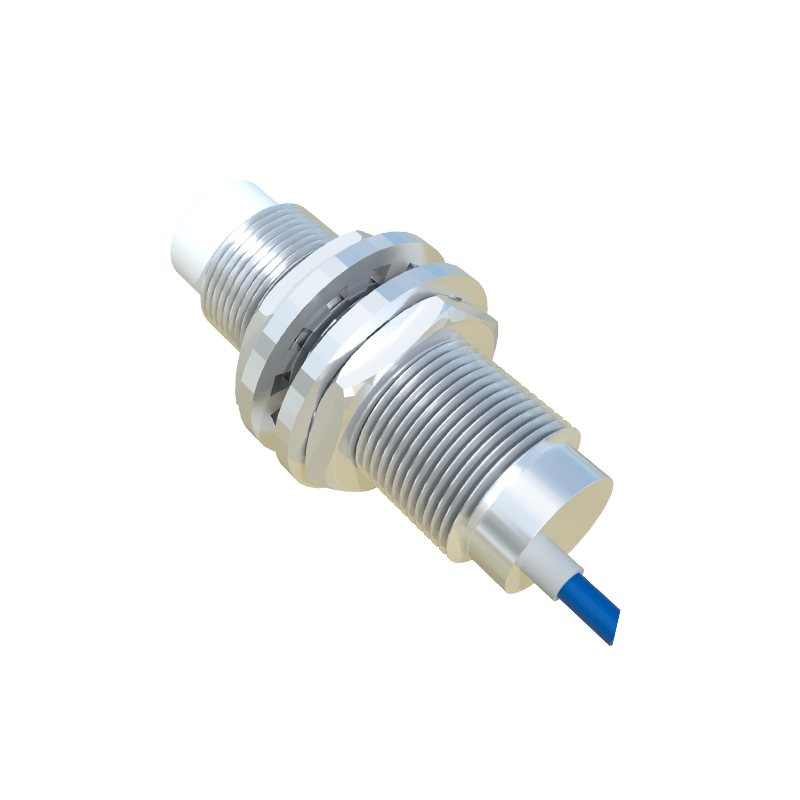
Looking ahead, innovations in proximity sensing focus on enhancing pulse accuracy and integration with IIoT (Industrial Internet of Things). Smart sensors with IO-Link communication can transmit pulse data alongside diagnostic information, enabling predictive maintenance and real-time adjustments. As industries embrace automation, understanding and optimizing proximity switch sensor pulses remains vital for efficiency, safety, and productivity. Engineers should prioritize selecting sensors based on application needs, testing pulse outputs under real conditions, and adhering to installation guidelines to ensure long-term performance.