In the dynamic landscape of industrial automation and control systems, the selection of sensing technology is a critical decision that directly impacts operational efficiency, safety, and long-term cost-effectiveness. Among the myriad of options, proximity sensors stand out as fundamental components for non-contact detection. However, not all sensors are created equal. The distinction often lies in the reputation and inherent quality of the device, making the choice of a reputable proximity sensor supplier paramount. A high-reputation proximity sensor is synonymous with unwavering reliability, precision, and durability, forming the bedrock of trust in demanding industrial environments.
The core value of a trusted proximity sensor begins with its operational consistency. These sensors are engineered to perform millions of switching cycles without degradation in performance. Whether utilizing inductive, capacitive, or ultrasonic principles, a reputable sensor delivers accurate detection of metallic or non-metallic objects with minimal hysteresis and exceptional repeatability. This consistency eliminates false triggers and downtime, which are costly in high-speed production lines, robotic assembly cells, or precision machining centers. Engineers rely on this predictability to design robust control logic, knowing the sensor will provide a definitive and timely signal under specified conditions.
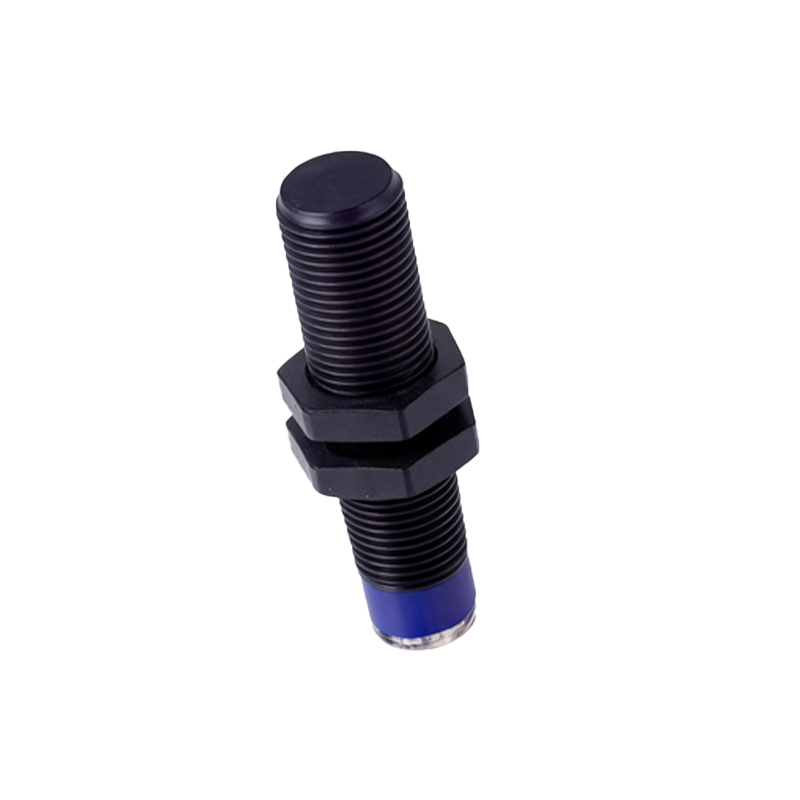
Durability and construction quality are non-negotiable hallmarks of a reputable brand. Industrial settings are fraught with challenges: extreme temperatures, humidity, oil, coolants, metallic dust, and mechanical vibrations. A high-quality proximity sensor is housed in a robust casing, often made of stainless steel (e.g., V2A or V4A grades) or high-performance plastics, with ingress protection ratings like IP67 or IP69K. This ensures complete resistance to washdowns and harsh chemicals. The internal electronics are protected against voltage spikes, reverse polarity, and short circuits. This ruggedness translates directly into a longer service life and reduced total cost of ownership, despite a potentially higher initial investment compared to generic alternatives.
Another critical aspect is technical support and documentation. Reputable manufacturers provide comprehensive, clear datasheets detailing electrical characteristics, sensing ranges, temperature tolerances, and mounting instructions. They offer application expertise, helping clients select the right sensor type (e.g., shielded vs. unshielded) for specific challenges. This level of support extends to global availability, consistent product lines over many years, and reliable warranty services. This ecosystem of support ensures that integration is smooth and that replacements or upgrades are straightforward, protecting the client's investment in the long run.
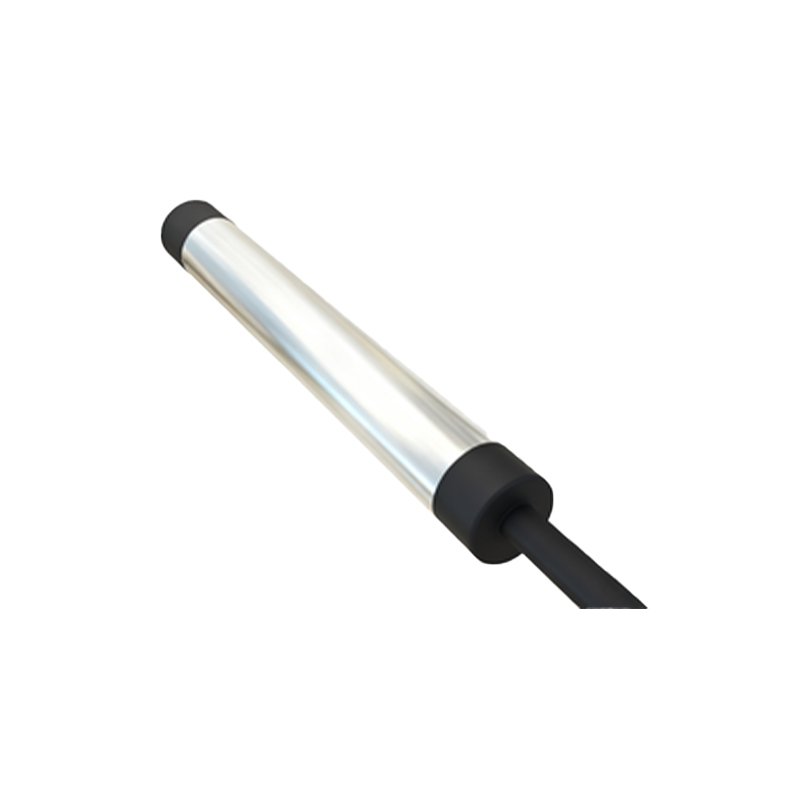
Performance features often found in top-tier proximity sensors include advanced diagnostics, such as short-circuit and overload protection, and status indication via LED lights. Some models offer IO-Link capability, enabling smart sensor functionality. This allows for parameter setting, condition monitoring, and process data reporting directly into the control system, facilitating predictive maintenance and Industry 4.0 integration. Choosing a sensor from a manufacturer with a strong reputation in innovation means access to these advanced features, future-proofing automation systems.
In safety-critical applications, such as in packaging machinery, automotive manufacturing, or material handling, the reputation of the sensor is intrinsically linked to safety certification. Sensors from established manufacturers often carry relevant international certifications (e.g., UL, CSA, ATEX for hazardous areas), providing verified assurance that they meet stringent safety and performance standards. This mitigates risk and ensures compliance with regulatory requirements.
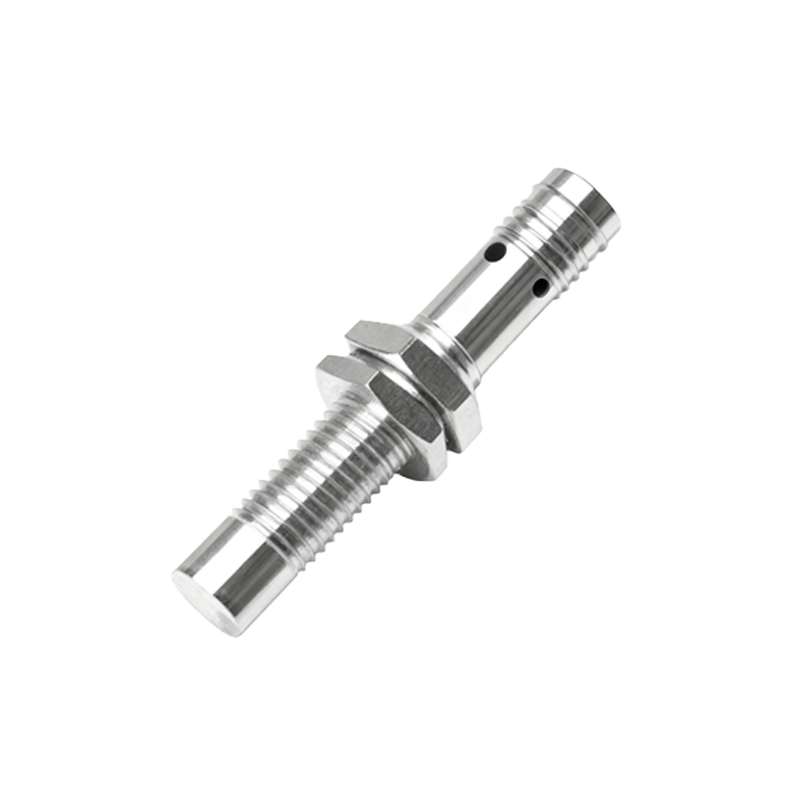
Ultimately, specifying a proximity sensor from a reputable source is a strategic decision. It moves beyond a simple component purchase to establishing a partnership for reliability. The peace of mind that comes from knowing a sensor will perform as expected, day after day, in the most challenging conditions, is invaluable. It minimizes unplanned stoppages, reduces maintenance burdens, and ensures the seamless flow of production. In an industry where margins are tight and efficiency is king, the trustworthiness of a proximity sensor is not just a feature—it is the foundation upon which automated systems are built and sustained. Therefore, for engineers and procurement specialists, prioritizing reputation and proven quality in proximity sensors is a direct investment in operational excellence and long-term business resilience.