In the modern urban landscape, elevators are indispensable vertical transportation systems, integral to the functionality of high-rise buildings. The integration of proximity detection sensors represents a significant leap forward in elevator technology, fundamentally enhancing both safety protocols and operational efficiency. These sophisticated sensors utilize various technologies, including infrared, ultrasonic, and microwave, to create an invisible safety shield within and around the elevator car.
The primary function of these sensors is to prevent door-related accidents, which are among the most common safety concerns in elevator operation. Traditional mechanical safety edges, while effective, have limitations. Proximity sensors offer a non-contact, more sensitive solution. They continuously emit signals and monitor the reflected waves to detect any object or person in the door's path. If an obstruction is sensed while the doors are closing, the system immediately sends a signal to the door operator to reverse direction and reopen. This happens within milliseconds, significantly reducing the risk of entrapment or impact. This feature is particularly crucial in environments with high foot traffic, such as hospitals, shopping malls, and office buildings, where people may be rushing or carrying large items.
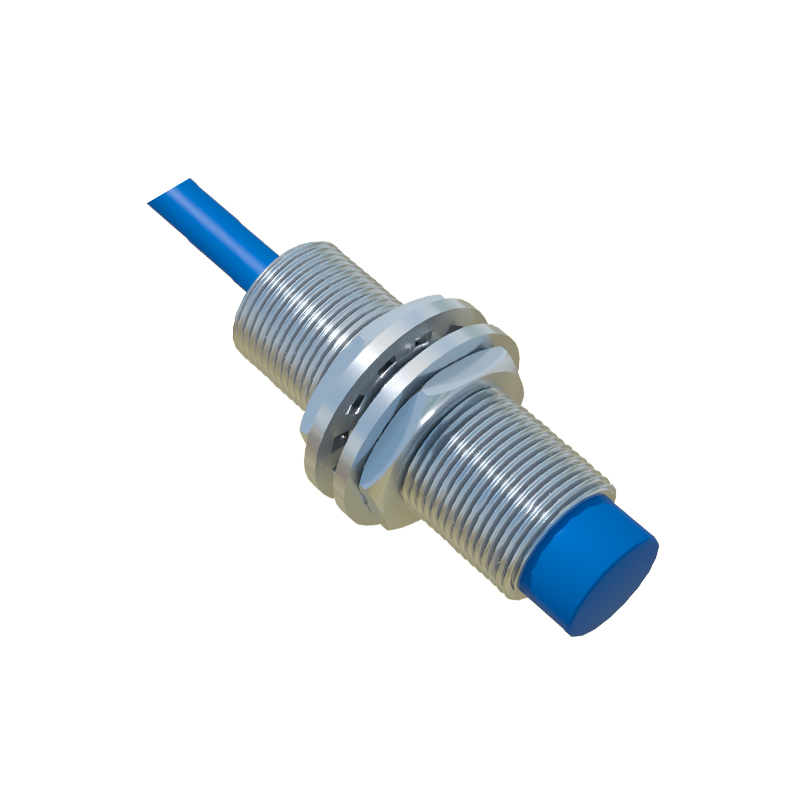
Beyond basic door safety, advanced proximity detection systems contribute to intelligent traffic management. By detecting the presence and approximate number of passengers waiting in the lobby or inside the car, the elevator control system can optimize car allocation and dispatching. For instance, if sensors detect a crowd forming on a specific floor, the system can prioritize sending an available car to that location, reducing wait times and improving passenger experience. This data-driven approach leads to more efficient energy consumption, as cars are deployed based on actual demand rather than pre-programmed cycles.
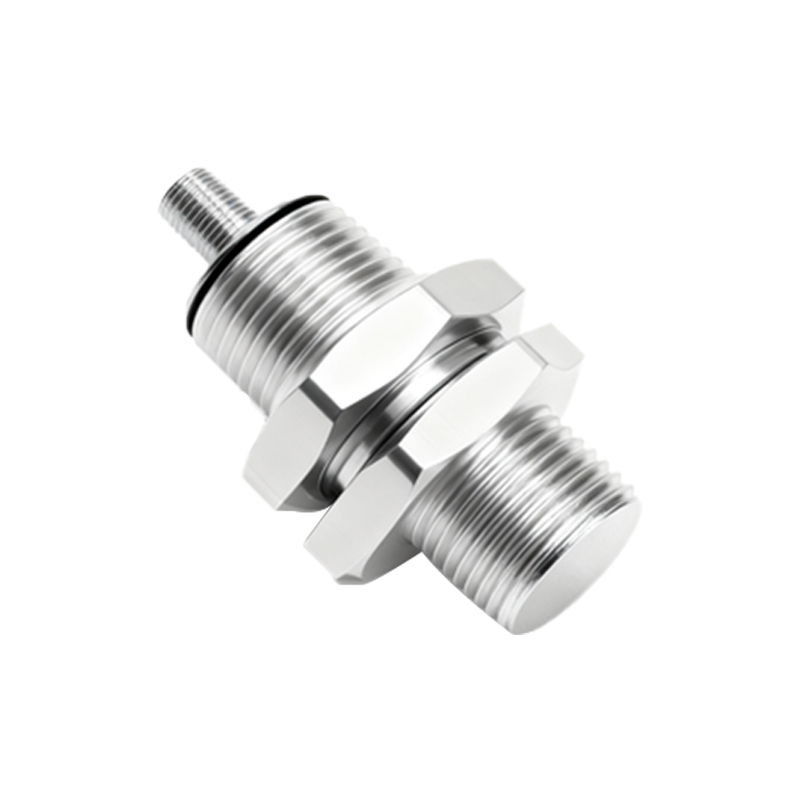
The technology also plays a vital role in accessibility. For passengers with disabilities, the elderly, or those with strollers, the extended door open time ensured by these sensors is essential. Ultrasonic sensors, for example, can differentiate between a person moving towards the door and one simply standing nearby, allowing for more nuanced control. This ensures doors remain open long enough for safe entry and exit without causing unnecessary delays.
Maintenance and reliability are other key benefits. Unlike mechanical components that suffer from wear and tear, solid-state proximity sensors have no moving parts, leading to higher durability and lower long-term maintenance costs. They are less susceptible to environmental factors like dust or mild moisture in the shaft. Their diagnostic capabilities are also superior; modern sensors can communicate with the building's management system, providing real-time data on performance and alerting technicians to potential issues before they cause a shutdown. This predictive maintenance approach minimizes downtime and ensures consistent service.
Looking towards the future, the role of proximity sensors is expanding with the Internet of Things (IoT) and smart building integration. Sensor data can be aggregated to analyze passenger flow patterns throughout the day, informing building management about peak usage times. This information can be used to adjust elevator service schedules, coordinate with other building systems like HVAC, and even enhance security by monitoring unusual occupancy patterns.
In conclusion, proximity detection sensors have evolved from a simple safety add-on to a core component of intelligent elevator systems. By providing a reliable, non-contact method to detect presence and motion, they create a safer environment for passengers while enabling smarter, more efficient elevator operation. As building designs become more complex and user expectations for seamless service rise, these sensors will continue to be pivotal in developing the next generation of vertical transportation solutions that are safe, efficient, and responsive to human needs.