In the world of industrial process measurement and control, accurately determining the level of liquids, slurries, and bulk solids within tanks, silos, and vessels is paramount. Among the various technologies available, radar level transmitters have emerged as a leading solution, prized for their reliability, precision, and versatility. This article delves into the working principles of radar level measurement, explores its diverse applications, and provides key considerations for selecting the right instrument for your needs.
The core principle behind radar level transmitters is Time Domain Reflectometry (TDR), often referred to as the "time-of-flight" principle. The device emits high-frequency electromagnetic waves, typically in the microwave spectrum, from an antenna directed towards the material surface. These waves travel at the speed of light, reflect off the product surface, and return to the antenna. The transmitter's sophisticated electronics measure the time difference between the emitted and reflected signal. Since the speed of propagation is constant, this time difference is directly proportional to the distance to the material level. By knowing the reference point (usually the tank height), the device calculates the fill level with exceptional accuracy.
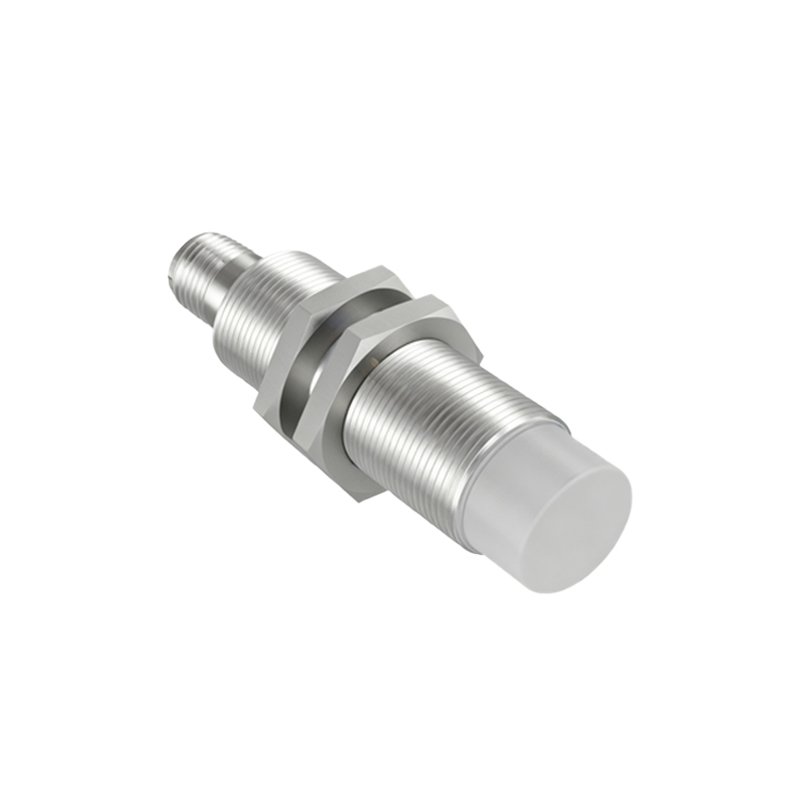
Two primary technologies dominate the market: guided wave radar (GWR) and non-contact (or free-space) radar. Guided wave radar transmitters utilize a probe—a metal rod or cable—that extends into the vessel. The microwave pulses travel along this probe. Upon reaching the product surface, where there is a significant change in dielectric constant, a portion of the energy is reflected back. GWR is highly effective for low-dielectric materials, turbulent surfaces, and applications where vessel obstructions or foam might pose challenges. Non-contact radar, on the other hand, mounts at the top of the tank and emits waves freely into the air space. It is ideal for applications involving corrosive, abrasive, sticky, or extremely hot/cold media where contact is undesirable. Modern non-contact devices often operate in the frequency-modulated continuous wave (FMCW) or pulse radar modes, offering robust performance even in difficult conditions with dust, steam, or changing process pressures.
The applications for radar level transmitters are vast and span numerous industries. In the oil and gas sector, they are used for custody transfer and inventory management of crude oil, refined products, and liquefied gases. Chemical and pharmaceutical plants rely on them for precise level control of aggressive solvents, acids, and reactive intermediates. In water and wastewater treatment, radar units monitor clarifiers, sludge tanks, and storage basins. The food and beverage industry employs them for hygienic level measurement in storage silos for grains, sugar, or powders. Their ability to handle high pressures and temperatures makes them suitable for challenging process environments like steam drums or reactor vessels. Furthermore, radar technology is largely unaffected by changes in density, conductivity, or dielectric constant of the medium, unlike some other level measurement methods.
Selecting the appropriate radar level transmitter requires a careful analysis of the application parameters. Key factors include the process medium's properties (dielectric constant, temperature, pressure, corrosiveness, presence of foam or agitation), the vessel geometry (height, diameter, internal obstructions like ladders or heating coils), and the required accuracy and output signal. For low-dielectric materials such as certain plastics or light hydrocarbons, a guided wave radar with a coaxial probe may be necessary to concentrate the signal. For applications with heavy buildup or coating, non-contact radar is often preferred. The antenna type and size must also be chosen correctly; horn antennas are common for general use, while parabolic or rod antennas suit specific needs. Integration with plant control systems via protocols like 4-20mA, HART, Foundation Fieldbus, or PROFIBUS PA is another critical selection criterion.
Installation and commissioning are straightforward but crucial for optimal performance. Proper mounting location is essential to avoid false echoes from tank walls, nozzles, or other fixtures. Most modern transmitters come with intuitive software for configuration and echo curve analysis, allowing technicians to "teach" the device to ignore fixed obstructions and focus on the true material echo. Regular maintenance is minimal, often limited to visual inspection of the antenna for buildup, which underscores one of radar's greatest advantages: long-term stability and reduced total cost of ownership.
In conclusion, radar level transmitters offer a powerful, non-invasive, and highly reliable method for continuous level measurement across a staggering array of industrial processes. Their independence from most process variable changes and suitability for harsh environments make them a superior choice over traditional technologies like float gauges, capacitance probes, or ultrasonic sensors in many demanding applications. By understanding the fundamental principles, application strengths, and selection guidelines outlined here, engineers and technicians can effectively leverage this technology to enhance process safety, efficiency, and inventory accuracy.