Proximity sensors, particularly the widely recognized "MS" series or those utilizing Micro Switch (MS) technology, have become indispensable components in modern industrial automation and consumer electronics. These devices detect the presence or absence of an object within a specific range without any physical contact, offering reliability, longevity, and precision. This guide delves into the core technology, types, and diverse applications of proximity sensors, with a focus on the principles often associated with MS-type implementations.
At its heart, a proximity sensor MS operates by emitting an electromagnetic field or a beam of electromagnetic radiation (like infrared light). It then looks for changes in the field or the return signal. The key advantage is non-contact detection, which eliminates mechanical wear and tear, allowing for high-speed operation and a virtually infinite operational life concerning sensing cycles. Common technologies include Inductive, Capacitive, Ultrasonic, and Photoelectric (optical) sensors. Inductive sensors, for instance, are ideal for detecting metallic objects, while capacitive sensors can detect both metallic and non-metallic materials like liquids, wood, or plastics. Photoelectric sensors use light beams and are excellent for long-range detection.
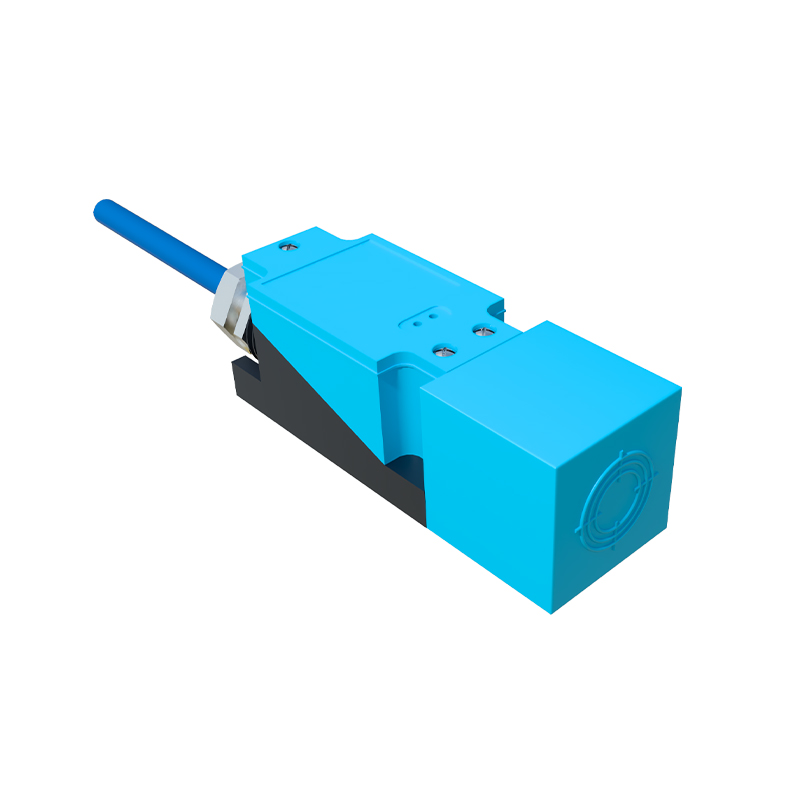
The design and circuitry of a robust proximity sensor often involve a micro-switching mechanism or solid-state switching (like transistors) triggered by the sensing element. This is where the "MS" designation frequently connects, referring to the reliable, fast electrical switching action that occurs when a target is detected. This switch controls an output signal, typically used to control a relay, PLC input, or another part of a larger system. Key performance parameters include sensing distance, repeat accuracy, response frequency, and environmental resistance to factors like temperature, moisture, and vibration.
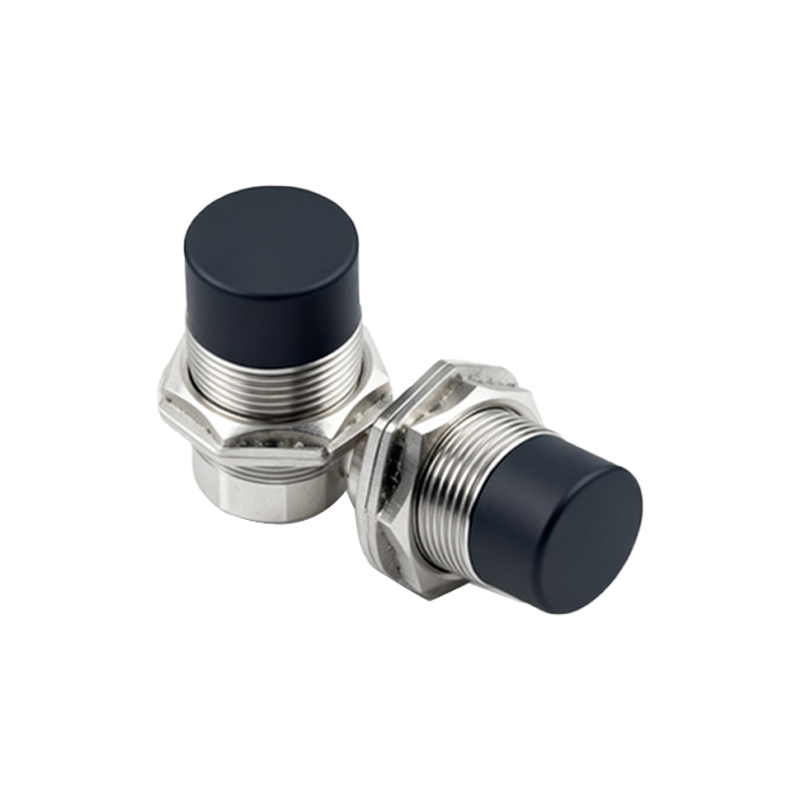
Applications for proximity sensors are vast and cross-industry. In automotive manufacturing, they are used for precise positioning of robotic arms, part counting, and end-of-travel detection. In the packaging industry, they ensure correct bottle cap placement and label positioning. Consumer electronics represent another major domain; the smartphone in your pocket uses a miniature proximity sensor (often an infrared type) to disable the touchscreen during calls when held near your ear, saving power and preventing accidental inputs. In security systems, they form the basis of intrusion detection. Furthermore, they are critical in material handling for level detection in silos, and in the food and beverage industry for detecting transparent or colored objects on conveyor belts.
Selecting the right proximity sensor requires careful consideration. Engineers must evaluate the nature of the target material (metal, plastic, liquid), the required sensing distance, the operating environment (harsh conditions may require ruggedized, sealed housings), the output type needed (NPN/PNP, analog, IO-Link), and the physical size constraints for installation. Proper installation is equally crucial; sensors must be mounted correctly to avoid mutual interference (especially for inductive types) and to ensure the target enters the sensing field optimally.
Maintenance of these sensors is generally minimal due to their non-contact nature. However, keeping the sensing face clean from dust, oil, or debris is essential for consistent performance, particularly for optical and capacitive types. Regular functional checks should be part of preventive maintenance schedules to ensure system integrity.
In conclusion, the proximity sensor, especially those leveraging reliable micro-switching output technology, is a fundamental pillar of automation. Its ability to provide accurate, contactless detection enables smarter, faster, and more efficient machines and processes. From factory floors to everyday smart devices, the humble proximity sensor MS plays a silent yet critical role in the seamless operation of the technology that defines our world. As Industry 4.0 and the Internet of Things (IoT) advance, the demand for more intelligent, networked, and miniaturized proximity sensors will only continue to grow.