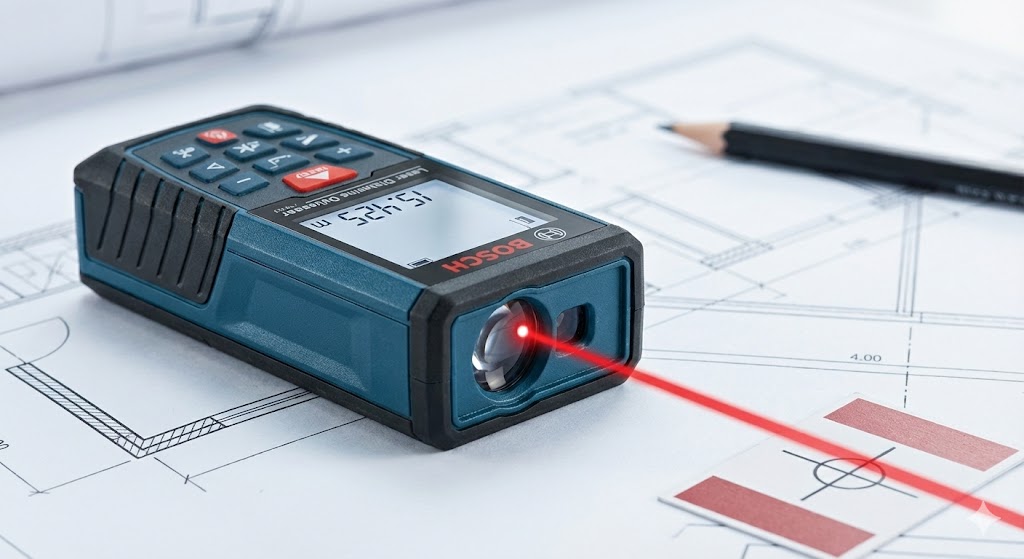
Laser rangefinder sensors have become integral components across numerous industries, revolutionizing how distance and spatial data are captured with unprecedented accuracy. These devices operate by emitting laser beams toward a target and measuring the time it takes for the light to reflect back, a method known as time-of-flight calculation. This principle enables precise distance measurements, often within millimeter-level tolerances, making them indispensable in environments where exact spatial awareness is critical.
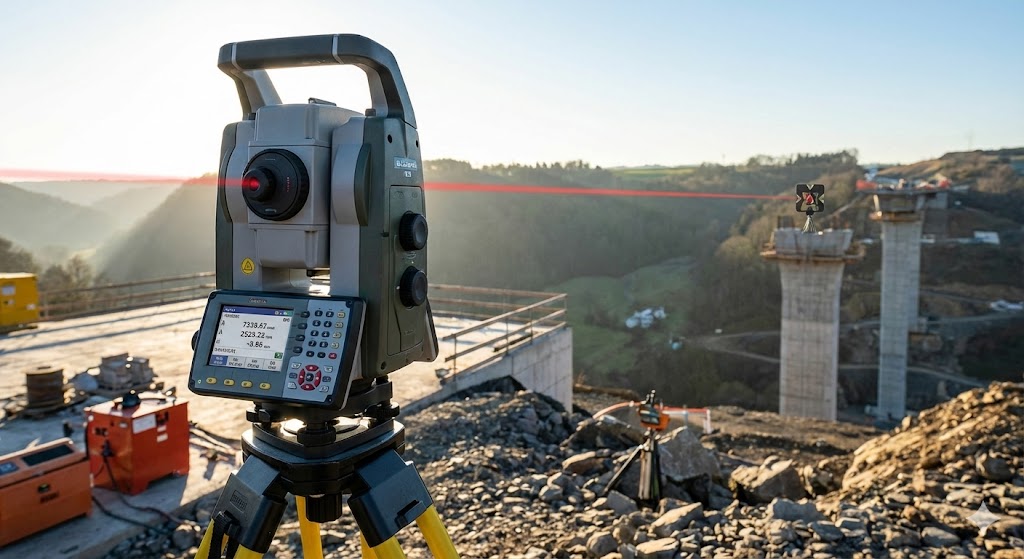
In the realm of construction and civil engineering, laser rangefinders are extensively used for surveying land, monitoring structural deformations, and ensuring alignment during building processes. Engineers rely on these sensors to calculate volumes of materials needed, assess site elevations, and verify that constructions adhere to design specifications. The ability to obtain quick, reliable measurements reduces human error and accelerates project timelines, leading to cost savings and enhanced safety on job sites.
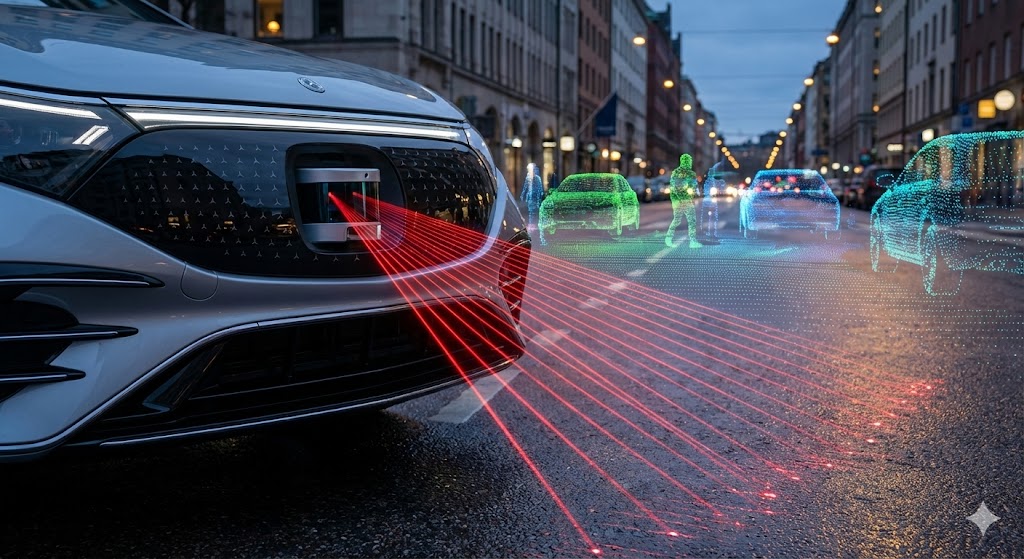
The automotive industry has embraced laser rangefinder technology, particularly in the development of advanced driver-assistance systems (ADAS) and autonomous vehicles. Sensors integrated into vehicles continuously scan the surroundings, detecting obstacles, pedestrians, and other cars to facilitate features like adaptive cruise control, collision avoidance, and automated parking. By providing real-time, high-resolution data, these sensors contribute to safer navigation and are pivotal in the journey toward fully self-driving cars.
Robotics and automation represent another major application area. Industrial robots equipped with laser rangefinders can navigate complex environments, avoid collisions, and perform tasks such as precision picking and placement in warehouses. In agricultural robotics, these sensors help automate processes like crop monitoring and harvesting, optimizing yield by assessing plant health and growth patterns through detailed spatial mapping.
Military and defense sectors utilize laser rangefinders for targeting, reconnaissance, and surveillance. Mounted on vehicles, aircraft, or handheld devices, they enable accurate distance readings to objects, enhancing the effectiveness of weapon systems and improving situational awareness in combat scenarios. Their ability to function in various weather conditions and over long ranges makes them valuable tools for strategic operations.
In consumer electronics, laser rangefinders have found their way into smartphones and cameras, assisting with autofocus functions and augmented reality (AR) experiences. For instance, they help cameras quickly lock focus on subjects, even in low light, while AR applications use depth-sensing to overlay digital content onto the real world more seamlessly. This integration has elevated user experiences in photography, gaming, and home improvement tools.
Environmental monitoring and forestry also benefit from this technology. Researchers employ laser rangefinders, often in the form of LiDAR (Light Detection and Ranging) systems, to map terrains, measure forest canopy heights, and track changes in landscapes due to erosion or climate events. These applications support conservation efforts and provide vital data for studying ecosystems without invasive methods.
Despite their advantages, challenges such as high costs, sensitivity to extreme weather, and calibration requirements persist. However, ongoing advancements in miniaturization, cost reduction, and integration with artificial intelligence are expanding their accessibility and functionality. As industries continue to innovate, laser rangefinder sensors are poised to play an even greater role in shaping a more precise and automated future.