Proximity sensors are integral components in modern automation, mobile devices, and industrial systems. Their primary function is to detect the presence or absence of an object within a specified range without physical contact. However, like any precision instrument, their accuracy can drift over time due to environmental factors, component aging, or physical shocks. Calibration is the essential process of adjusting the sensor's output to match a known standard or reference, ensuring reliable and repeatable detection. Neglecting this maintenance can lead to false triggers, missed detections, and ultimately, system failures.
The need for calibration often arises from several common scenarios. Changes in the operating environment, such as temperature fluctuations, humidity, or the accumulation of dust and contaminants on the sensor lens, can significantly alter its sensing characteristics. Furthermore, if the sensor is replaced or the target object material is changed—for instance, from metal to plastic—recalibration becomes mandatory. A systematic approach to calibration not only restores accuracy but can also extend the sensor's operational lifespan.
Before initiating any calibration procedure, thorough preparation is crucial. Begin by consulting the manufacturer's datasheet and technical manual. This documentation provides the specific calibration method, recommended target materials, and the exact sensing distance parameters. Ensure the work area is clean, stable, and free from strong electromagnetic interference that could affect the sensor's readings. Gather the necessary tools, which typically include the correct calibration target (often specified by the manufacturer), precision distance gauges or shims, and the appropriate interface hardware or software to monitor the sensor's output signal.
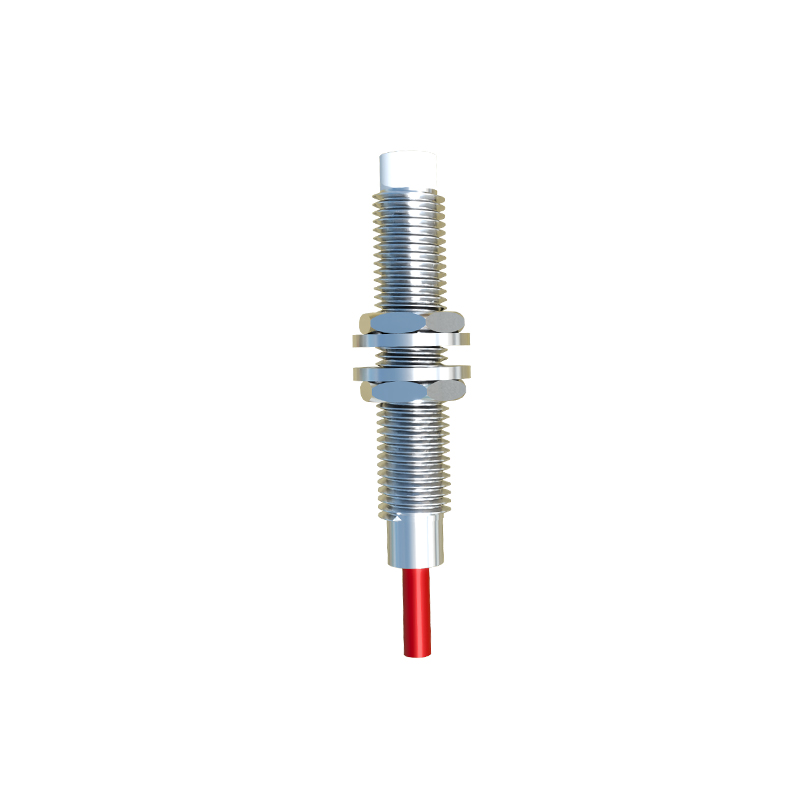
The calibration process generally follows a structured sequence. First, power on the sensor and allow it to stabilize for the time recommended in its specifications. Mount the sensor securely in its final operational position and orientation. Place the standard calibration target at the exact nominal sensing distance. Using an oscilloscope, multimeter, or the system's programmable logic controller (PLC) software, observe the sensor's output signal. For an analog output sensor, you will be checking the voltage or current corresponding to the specific distance. For a digital (on/off) sensor, you will be adjusting the threshold point where the output switches state.
The adjustment is typically made using a potentiometer on the sensor housing or via dedicated configuration software. Carefully adjust the calibration potentiometer or software parameter until the output signal matches the expected value for the given distance. It is a best practice to perform a multi-point check. Verify the sensor's response at both the minimum and maximum points of its intended range, not just the nominal point. This ensures linearity across the entire operational span. Document all initial readings, adjustments made, and final verified values for future reference and traceability.
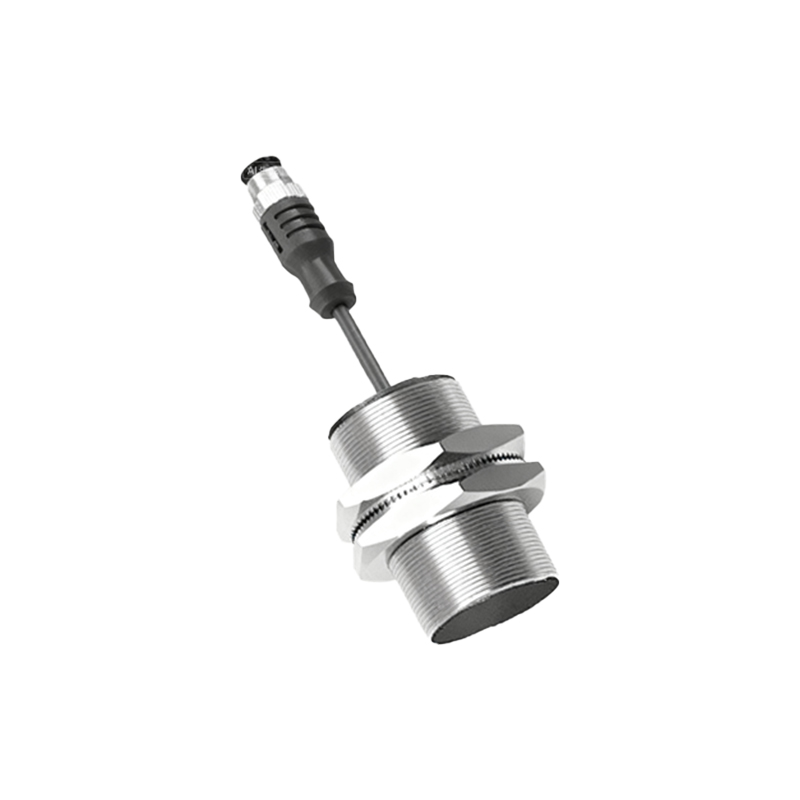
After completing the adjustments, rigorous verification and testing are mandatory. Perform repeated approach and retreat cycles with the target to check for consistency and hysteresis. Test with the actual object material if it differs from the calibration target to confirm performance in real-world conditions. For critical applications, consider using a calibrated master sensor for comparison to validate the results. Finally, secure any protective covers on the sensor and update the system's maintenance log with the calibration date, technician details, and performance notes.
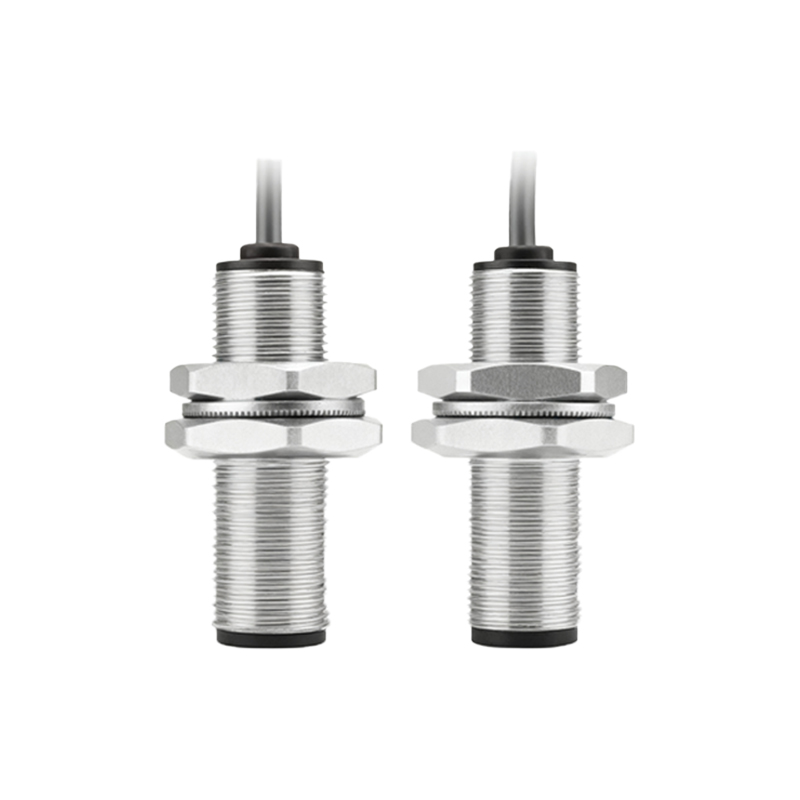
Regular calibration should be part of a preventive maintenance schedule. The interval depends on the application's criticality and the operating environment. Harsh industrial settings may require quarterly checks, while benign environments might only need an annual verification. Implementing a routine calibration program is a proactive investment that minimizes unplanned downtime, ensures product quality, and maintains overall system integrity. By mastering these calibration fundamentals, technicians and engineers can ensure their proximity sensing systems operate at peak precision and reliability.