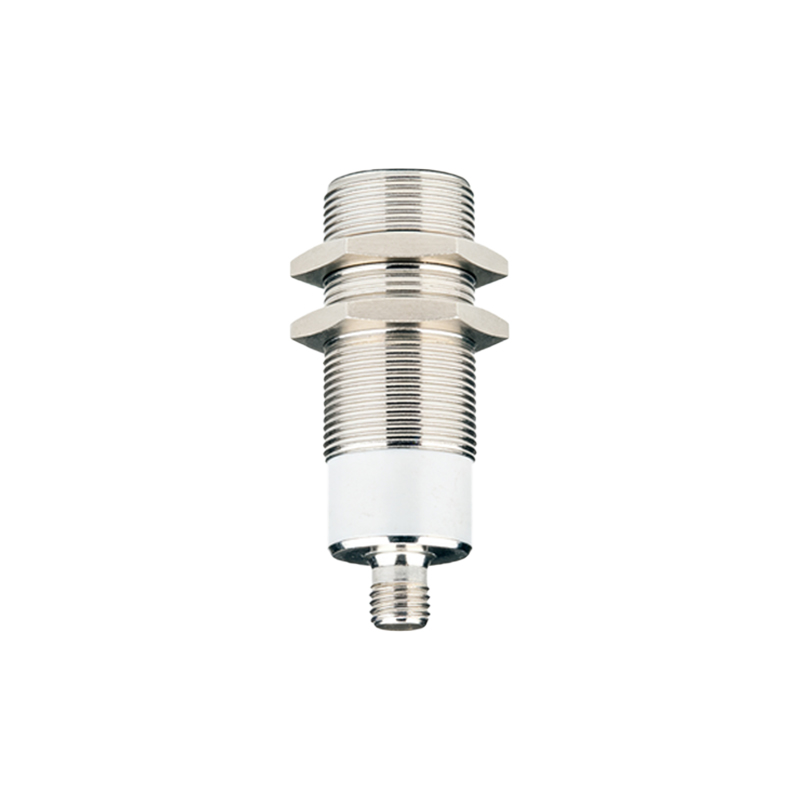
The landscape of industrial automation and smart environments is undergoing a profound transformation, driven by the relentless pursuit of safety, efficiency, and intuitive human-machine interaction. At the heart of this evolution lies the humble yet increasingly sophisticated proximity sensor. Traditionally confined to simple object detection in machinery, the future of proximity sensing is being radically reshaped to focus on human presence, intent, and context. This shift heralds a new era where sensors do not merely detect but understand and anticipate human activity.
The next generation of human proximity sensors will be defined by several key technological convergences. First is the integration of multi-modal sensing. Future sensors will combine traditional capacitive, inductive, and ultrasonic methods with advanced technologies like millimeter-wave radar, low-power LiDAR, and thermal imaging arrays. This fusion creates a rich, multi-dimensional data profile. A sensor will not only know that a person is nearby but can discern their posture, gait, direction of movement, and even vital signs like respiratory rate in a privacy-conscious manner. For instance, a 24GHz radar module embedded in an office workstation could detect an approaching occupant, differentiate between a brief pause and an intent to sit, and automatically adjust lighting and monitor for signs of prolonged sedentary behavior for wellness prompts.

Secondly, the infusion of Artificial Intelligence and edge computing is pivotal. Raw sensor data is voluminous and noisy. By embedding lightweight AI algorithms directly into the sensor node or a local edge gateway, processing becomes real-time and context-aware. These smart sensors can learn typical patterns in a specific environment—like the movement flow in a factory aisle or the usage pattern of a home appliance. They can then identify anomalies, such as a worker entering a restricted robotic cell or a person falling in a bathroom, triggering precise alerts without false positives from inanimate objects. This move from detection to perception drastically reduces latency and bandwidth needs, enhancing reliability and system responsiveness.
The application scope will expand far beyond factory floor safety curtains and automatic doors. In the burgeoning field of collaborative robotics (cobots), advanced proximity sensing will enable truly fluid and safe collaboration. Cobots equipped with 360-degree sensing skins can perceive the subtle, non-verbal cues of a human partner, adjusting their speed and trajectory dynamically to avoid startling or endangering the operator. In smart buildings and homes, networks of these sensors will create ambient intelligence. Lights, climate control, and audio-visual systems will respond seamlessly to human presence and activity, optimizing energy use while providing unparalleled comfort. Imagine a conference room that senses the number of occupants and their engagement level to adjust acoustics and air quality dynamically.
Furthermore, the drive towards miniaturization and power efficiency will be relentless. The advent of MEMS (Micro-Electro-Mechanical Systems) technology for radar and ultrasonic sensors, coupled with energy-harvesting techniques, will lead to tiny, battery-less, or perpetually powered sensor nodes. These can be embedded into clothing, wearable devices, furniture, and building materials, creating a truly ubiquitous and invisible sensing fabric. This will be critical for applications in healthcare, where continuous, unobtrusive monitoring of patients or the elderly in their homes can be life-saving.
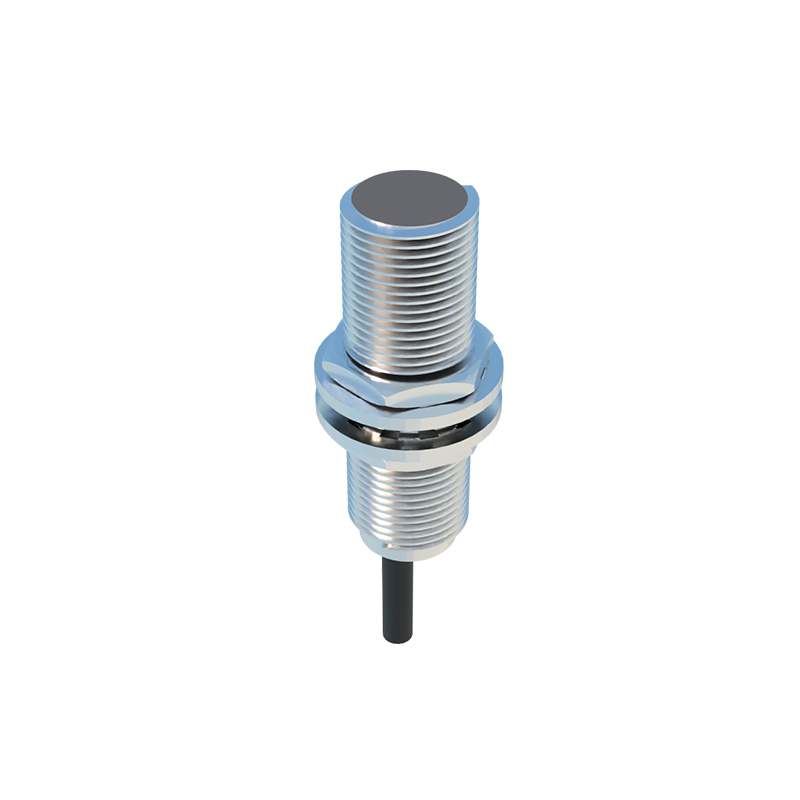
However, this promising future is not without significant challenges. The foremost concern is privacy and data security. Sensors that can infer human behavior and physiological states generate highly sensitive data. The industry must develop and adhere to robust ethical frameworks, employing techniques like on-device anonymization and federated learning to process data locally without transmitting personally identifiable information. Standardization of data formats and communication protocols (building upon IO-Link and newer, smarter interfaces) will also be essential to ensure interoperability in multi-vendor ecosystems.
In conclusion, the future of human proximity sensing is one of intelligent context-awareness. It moves from a binary "on/off" switch to a nuanced interpreter of the human environment. By leveraging multi-modal sensing, embedded AI, and ubiquitous deployment, these next-generation sensors will become the silent, intelligent foundation for safer factories, more responsive buildings, personalized healthcare, and more intuitive human-technology symbiosis. The engineer's role will evolve from simply installing sensors to designing and managing intelligent sensory systems that respect both functional performance and fundamental human values. The proximity to a human will no longer be just a measurement; it will be the beginning of a contextual dialogue between people and the automated world around them.