In the realm of industrial automation and precision measurement, laser refraction sensors have emerged as a critical technology for non-contact detection and analysis. These sensors operate on the fundamental principle of detecting changes in the refraction, or bending, of a laser beam as it interacts with a target material or medium. Unlike standard through-beam or diffuse reflection sensors, refraction sensors are specifically designed to identify transparent or translucent objects, such as glass, clear plastics, films, and liquids, which often pose a challenge for conventional optical methods.
The core working mechanism involves emitting a focused laser beam towards the target. When this beam encounters a material with a different refractive index than the surrounding medium (typically air), its path is altered. A high-precision receiver, positioned at a specific angle, detects this refracted beam. The presence, absence, or specific characteristic of the refracted light signal is then processed to determine the target's status—be it presence, absence, thickness, or even clarity. This makes them exceptionally reliable for applications where the target material may allow most of a direct beam to pass through, rendering standard sensors ineffective.
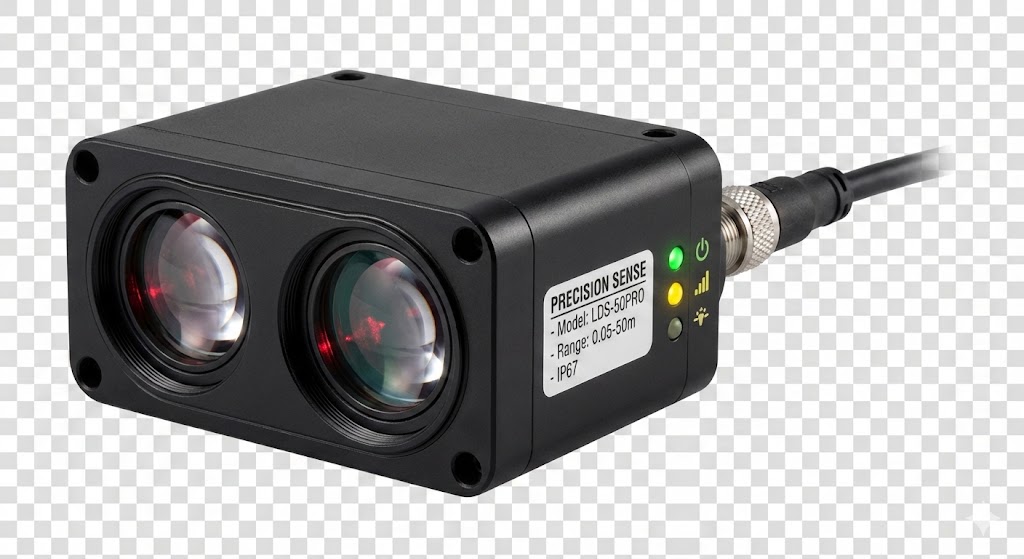
Key advantages of laser refraction sensors include their high resolution and accuracy. They can detect minute changes in material properties, making them ideal for quality control processes, such as verifying the presence of a transparent label on a bottle or ensuring the correct fill level in a clear container. Their non-contact nature eliminates mechanical wear and prevents contamination of sensitive products, which is paramount in pharmaceutical, food and beverage, and electronics manufacturing. Furthermore, many models are equipped with robust housings rated for IP67 or higher, allowing them to perform consistently in harsh environments with dust, moisture, or vibration.
When selecting a laser refraction sensor for a specific application, several technical parameters must be carefully evaluated. The first is the sensing range and the minimum detectable object size. Engineers must ensure the sensor's beam spot size and working distance are compatible with the target. The response time is another critical factor, especially for high-speed production lines where milliseconds count. The type of output required—digital (PNP/NPN) or analog (4-20mA, 0-10V)—must align with the control system's input cards. Additionally, the light source wavelength (commonly red or blue laser) can affect performance; blue lasers often provide better performance on certain transparent materials due to their shorter wavelength. Environmental factors like ambient light interference, temperature fluctuations, and potential for optical fouling (e.g., dust buildup on the lens) should also inform the selection of models with appropriate filters, housings, and maintenance features.
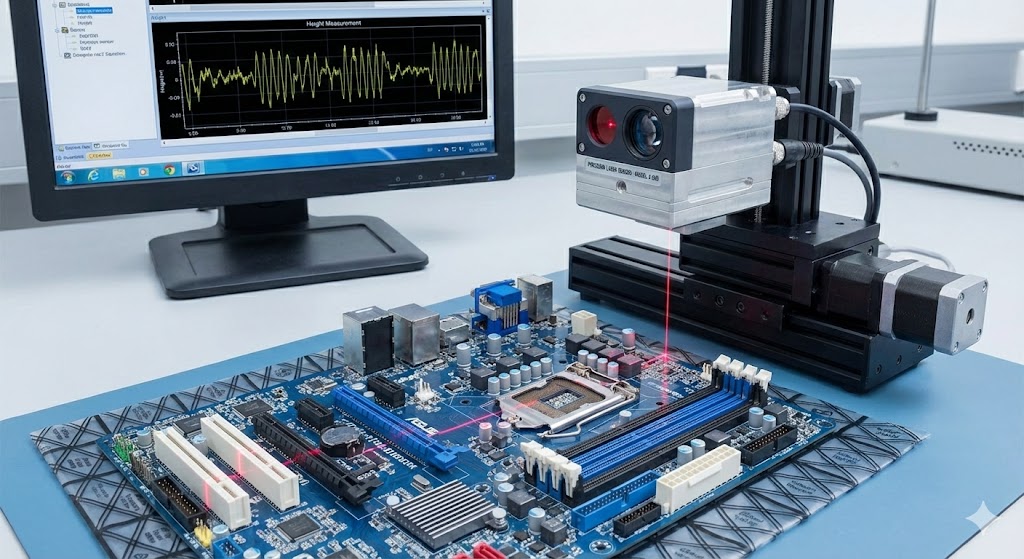
In practice, laser refraction sensors are deployed across diverse sectors. In packaging lines, they reliably detect clear shrink wrap, ensuring packages are properly sealed. In the automotive industry, they verify the installation of transparent components like light covers or gauge panels. In liquid processing, they monitor meniscus levels in tubing or detect bubbles within fluids. Their versatility extends to semiconductor fabrication for wafer presence detection and in printing for verifying the application of clear varnish.
Despite their sophistication, successful integration requires careful installation. Proper alignment of the emitter and receiver is paramount for optimal signal strength. Regular calibration and lens cleaning are necessary maintenance routines to sustain long-term accuracy. As Industry 4.0 advances, modern laser refraction sensors are increasingly featuring smart capabilities such as IO-Link communication, which enables remote parameter configuration, real-time diagnostics, and seamless data integration into networked control systems for predictive maintenance and process optimization.
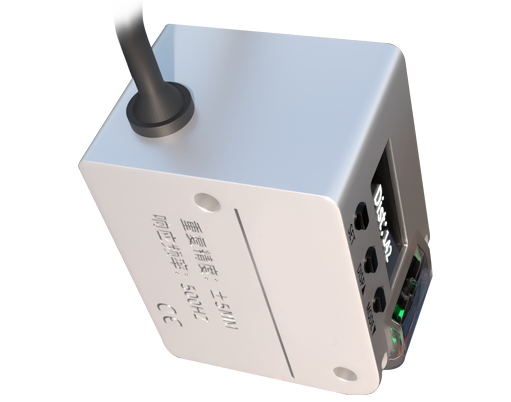
In conclusion, laser refraction sensors fill a vital niche in industrial sensing by solving the unique challenge of detecting transparent and semi-transparent objects. Their precision, reliability, and non-contact operation make them an indispensable tool for enhancing quality, efficiency, and automation intelligence. A thorough understanding of their operating principles and a methodical approach to selection and installation are key to leveraging their full potential in complex manufacturing ecosystems.