In the realm of industrial automation and control systems, proximity sensors are indispensable components, providing non-contact detection of objects. Among the diverse types available, the Square Q Proximity Sensor has carved out a significant niche due to its robust design and reliable performance. This article delves into the technical specifications, operational principles, and primary applications of this specific sensor variant, offering insights for engineers and procurement specialists.
The defining characteristic of a Square Q Proximity Sensor is its housing geometry. Unlike cylindrical sensors, the square or rectangular form factor offers distinct advantages in mounting and integration. This shape allows for easier installation in tight spaces or on flat surfaces, often providing more stable mounting with less risk of rotation. The housing is typically constructed from materials like nickel-plated brass, stainless steel, or high-grade PBT plastic, ensuring durability in harsh industrial environments characterized by exposure to oils, coolants, metal chips, and mechanical vibrations.
Operationally, most Square Q sensors are inductive type, designed to detect metallic objects—primarily ferrous metals like steel and iron, though many models can also sense non-ferrous metals like aluminum, copper, and brass at a reduced sensing range. The core principle involves an oscillator circuit that generates a high-frequency electromagnetic field emanating from the sensor's active face. When a metallic target enters this field, eddy currents are induced on the target's surface. This causes a change in the oscillation amplitude, which is detected by a threshold circuit, subsequently triggering a solid-state output switch. The sensing distance, or "sn," is a critical parameter and is precisely defined for each model, typically ranging from a few millimeters up to several centimeters. It is crucial to note that this nominal sensing distance is standardized for a mild steel target of a specific size; different materials and target shapes can affect the actual performance.
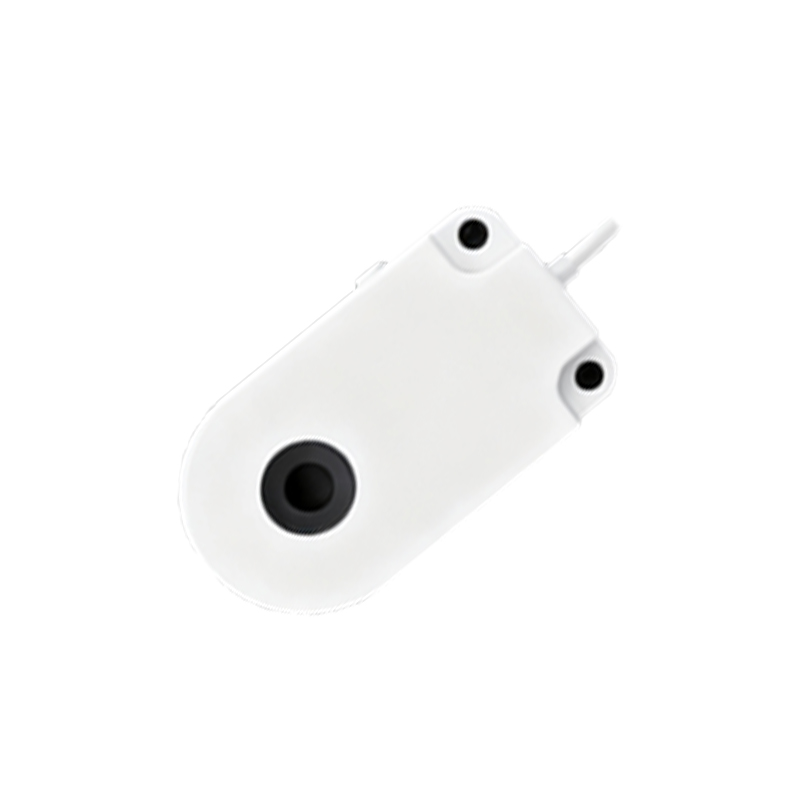
Output configurations are versatile. Common outputs include DC 3-wire types (NPN or PNP transistor outputs) and 2-wire AC/DC models. NPN (sourcing) and PNP (sourcing) outputs cater to different PLC input module requirements. Many Square Q sensors also feature short-circuit protection, reverse polarity protection, and overload protection, enhancing system reliability. Another key feature is the embedded LED status indicator, which provides visual confirmation of power and output switching, greatly aiding in setup and troubleshooting.
The application spectrum for Square Q Proximity Sensors is vast across factory automation. They are extensively used for position detection: verifying if a robot arm has reached its endpoint, confirming the presence of a part in a fixture or on a conveyor, or counting objects passing a point. In machine tools, they monitor tool presence or workpiece positioning. Their non-contact nature makes them ideal for applications where physical contact is undesirable due to wear, contamination, or the need for high-speed operation. The square housing is particularly beneficial in material handling systems, packaging machinery, and automotive assembly lines where sensors are often mounted in extruded aluminum profiles or on flat machine frames.
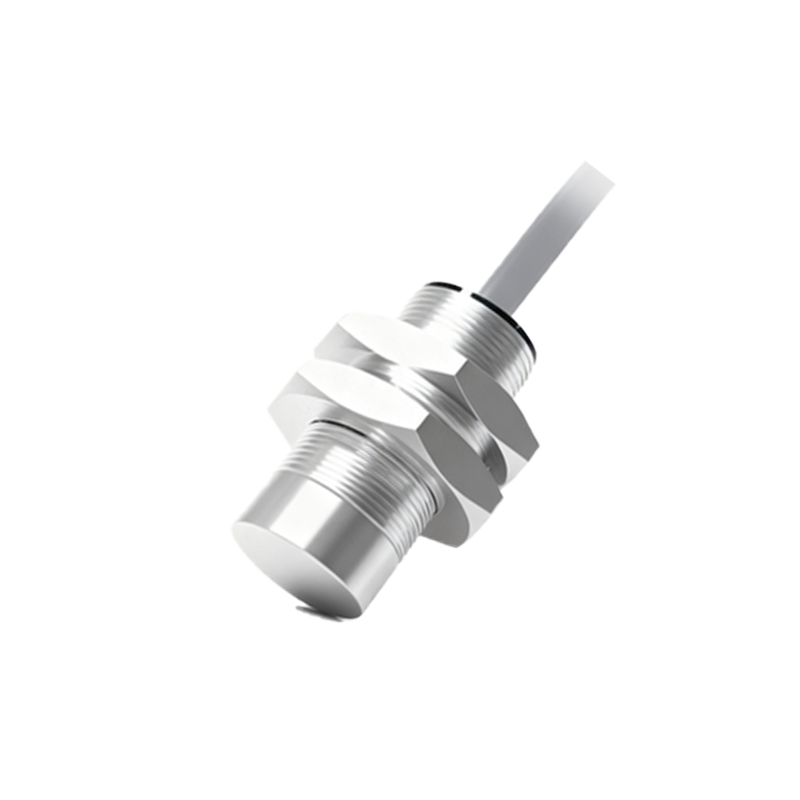
When selecting a Square Q Proximity Sensor, several factors must be considered beyond just the shape. The sensing distance required for the application is paramount. The environmental conditions dictate the needed ingress protection (IP) rating, such as IP67 for resistance to dust and temporary immersion. The housing material must be compatible with the surroundings—stainless steel for washdown or corrosive areas. The electrical characteristics, including operating voltage range, output current, and switching frequency, must match the control system's specifications. Finally, connection methods, whether pre-wired cable or quick-disconnect connectors, influence installation and maintenance ease.
Installation and alignment are straightforward but require attention to detail. The sensor should be mounted securely to prevent movement. It is essential to maintain the recommended lateral and axial clearance from surrounding metal (the "non-sensing" zone) to avoid false triggering. For optimal performance, the target should approach the sensor's active face perpendicularly. Regular maintenance involves checking for physical damage, buildup of debris on the sensing face, and verifying electrical connections.
In conclusion, the Square Q Proximity Sensor represents a mature and highly adaptable solution for object detection in automated industrial processes. Its combination of a practical form factor, robust construction, and solid-state reliability makes it a preferred choice for engineers designing systems that demand precision, durability, and minimal maintenance. By carefully matching the sensor's specifications to the application's requirements, significant gains in system uptime and operational efficiency can be achieved.