In the realm of industrial process control and fluid dynamics measurement, laser flow sensors represent a pinnacle of non-invasive, high-precision technology. Unlike traditional mechanical or ultrasonic flow meters, these sensors utilize the principles of laser Doppler velocimetry (LDV) or laser-induced fluorescence (LIF) to measure flow velocity and volumetric flow rate without contacting the fluid. This article delves into the operational principles, key advantages, diverse applications, and critical selection criteria for laser flow sensors.
The fundamental principle behind most laser flow sensors is Laser Doppler Velocimetry. In an LDV system, a coherent laser beam is split into two beams that intersect at a specific point within or adjacent to the flow channel. When microscopic particles or naturally occurring impurities in the fluid pass through this intersection point, they scatter the laser light. The scattered light from the two beams interferes, creating a Doppler burst signal with a frequency shift proportional to the particle's velocity. Sophisticated photodetectors and signal processors analyze this frequency shift to calculate the instantaneous flow velocity with exceptional accuracy. For clear fluids lacking sufficient scattering particles, a second common technique, Time-of-Flight (ToF), may be employed. Here, a laser pulse is directed across the flow path, and the time delay for the light to be detected or reflected is measured, correlating directly to the flow speed.
The advantages of laser-based flow measurement are substantial. Firstly, the non-intrusive nature eliminates pressure drop, avoids contamination risk, and prevents sensor wear, making them ideal for sterile, corrosive, or high-purity fluid systems. Secondly, they offer extremely high spatial and temporal resolution, capable of capturing turbulent flow profiles and rapid velocity fluctuations that other sensors miss. Thirdly, they exhibit a wide dynamic range and are largely independent of fluid properties like temperature, density, or conductivity once calibrated. This makes them versatile across gases, liquids, and even multiphase flows in research settings.
Applications for laser flow sensors span numerous industries. In aerospace and automotive engineering, they are indispensable for wind tunnel testing, measuring boundary layer flows, and fuel injection analysis. The pharmaceutical and biotechnology sectors rely on them for monitoring precise flow rates in bioreactors and during drug formulation without risk of contamination. In semiconductor manufacturing, they control ultra-pure water and chemical delivery. Environmental scientists use them for atmospheric wind speed measurement and river flow monitoring. Furthermore, they are becoming increasingly valuable in energy sectors for combustion gas flow analysis and optimizing HVAC systems in large buildings.
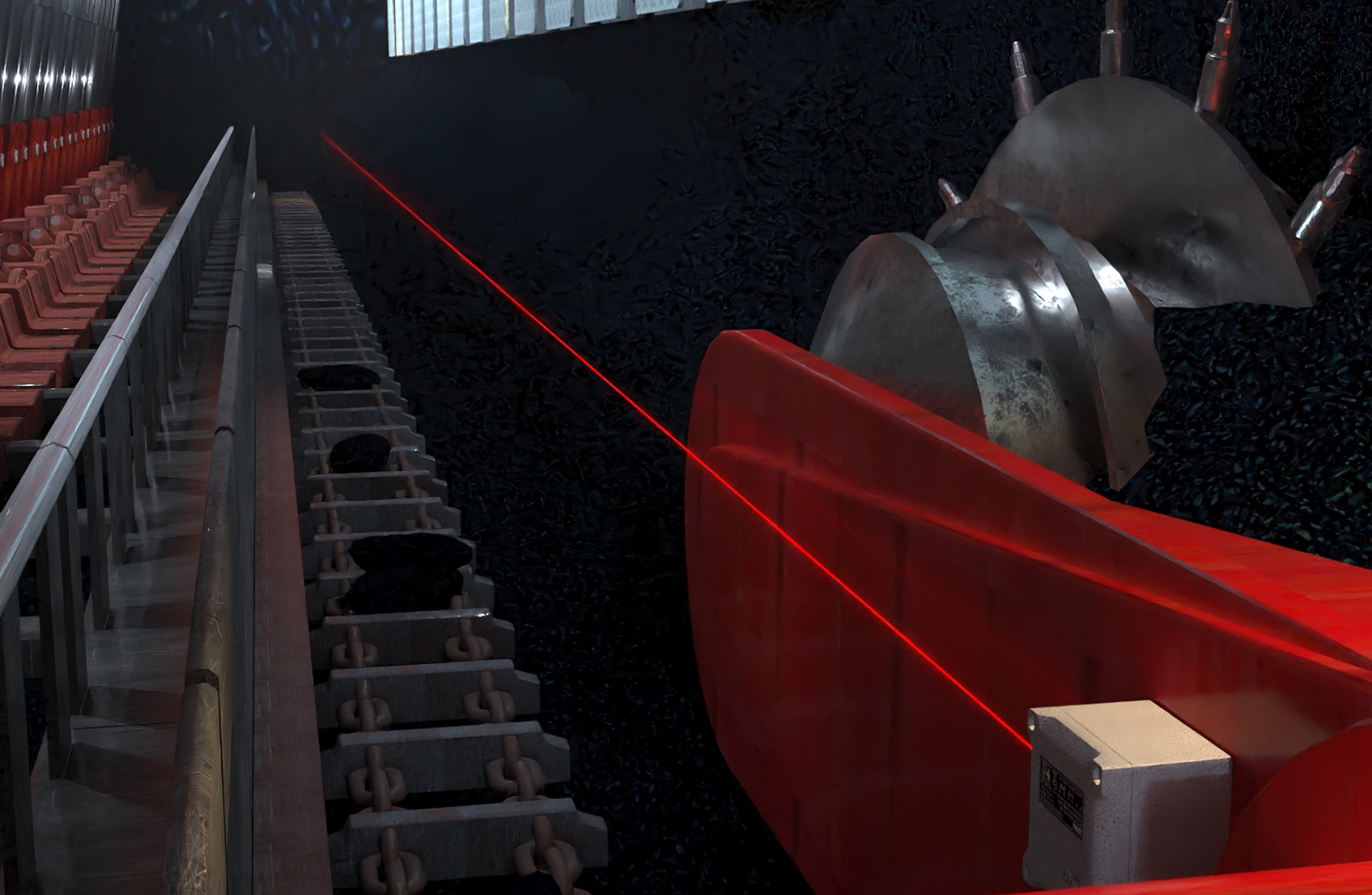
Selecting the appropriate laser flow sensor requires careful consideration of several parameters. The primary factor is the medium: its transparency, particulate content, and whether it is a liquid or gas. For opaque or highly scattering fluids, specific sensor designs are necessary. The required measurement range and accuracy are paramount; laboratory-grade sensors offer sub-millimeter per second accuracy, while industrial models prioritize robustness over extreme precision. The pipe or channel material is also critical, as the laser must transmit through it—glass or specific polymers are often required for inline models. External clamp-on sensors provide flexibility but may have limitations with thick or opaque pipes. Other considerations include the process temperature and pressure, available power supply, output signal requirements (analog 4-20mA, digital protocols like Modbus), and the necessary certifications for hazardous areas (ATEX, IECEx).
Installation and maintenance are relatively straightforward compared to intrusive meters. Proper alignment of the laser beams is crucial for accurate readings, and most systems include alignment aids and software. Keeping optical windows clean from buildup is the main maintenance task, which can sometimes be addressed with automated cleaning systems or purges. Calibration is typically performed at the factory, but field verification against a master meter is recommended during commissioning.

In conclusion, laser flow sensors provide a powerful, non-contact solution for demanding flow measurement challenges. Their precision, versatility, and non-invasive operation justify their investment in applications where data integrity, process purity, and detailed flow analysis are critical. As laser and photonic technology continues to advance, we can expect these sensors to become more compact, cost-effective, and integrated into the Industrial Internet of Things (IIoT), enabling smarter and more efficient process management across global industries.