In the realm of industrial automation, proximity switch sensors are indispensable components for detecting the presence or absence of objects without physical contact. These sensors are widely used in machinery, conveyor systems, and robotic applications, offering reliability and durability in harsh environments. To ensure proper selection, installation, and maintenance, engineers and technicians must understand the standardized codes associated with proximity sensors. These codes, often denoted by alphanumeric symbols, convey critical information about the sensor's type, output, sensing range, and electrical characteristics.
One of the most common coding systems involves the sensor type designation. For instance, inductive proximity sensors are typically labeled with codes such as "IN" or "I," indicating they detect metallic objects through electromagnetic fields. Capacitive sensors, marked with "CA" or "C," can sense both metallic and non-metallic materials by measuring changes in capacitance. Ultrasonic sensors may use "US" codes, relying on sound waves for detection, while photoelectric sensors are often identified with "PH" or "OP" for optical sensing. Understanding these prefixes helps in matching the sensor to the application's material requirements.
Output configuration is another key aspect represented in sensor codes. Codes like "NO" (Normally Open) or "NC" (Normally Closed) describe the switch's default state, impacting circuit design and safety protocols. Additionally, output types are specified: "PNP" (sourcing) and "NPN" (sinking) are standard for DC sensors, with codes such as "P" for PNP and "N" for NPN. For AC sensors, codes might include "AC" or specific voltage ratings like "110V" or "230V." These designations ensure compatibility with control systems, preventing electrical mismatches that could lead to malfunctions.
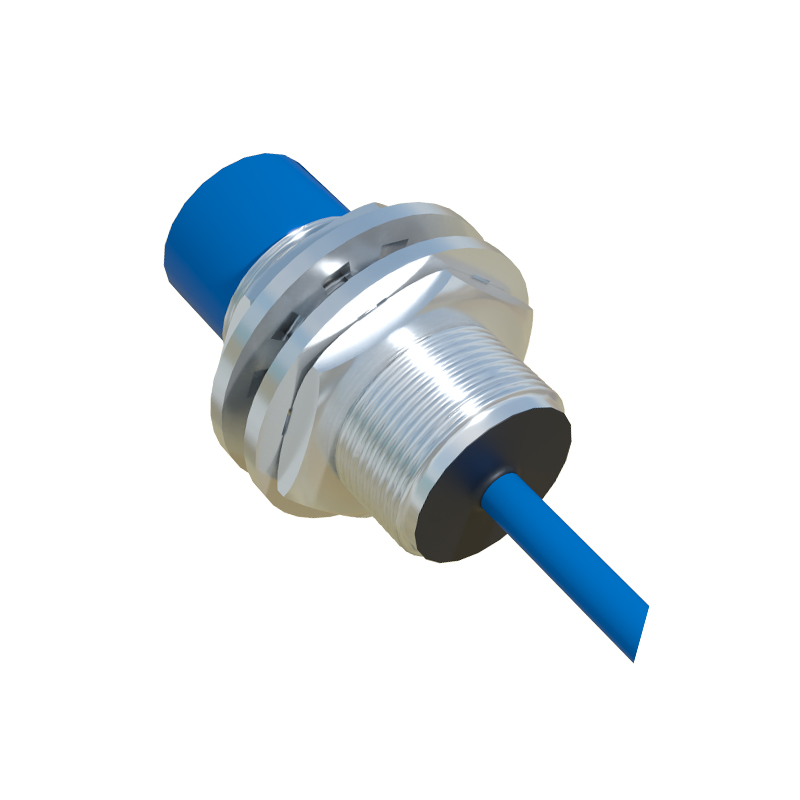
Sensing range and size are also encoded to facilitate quick identification. A code like "M12" refers to the sensor's threaded barrel diameter in millimeters, common in compact installations, while "M18" or "M30" denote larger sizes for longer ranges. The sensing distance may be embedded in the model number, such as "5mm" for short-range detection or "20mm" for extended reach. Engineers must cross-reference these codes with datasheets to verify performance under real-world conditions, considering factors like temperature and environmental interference.
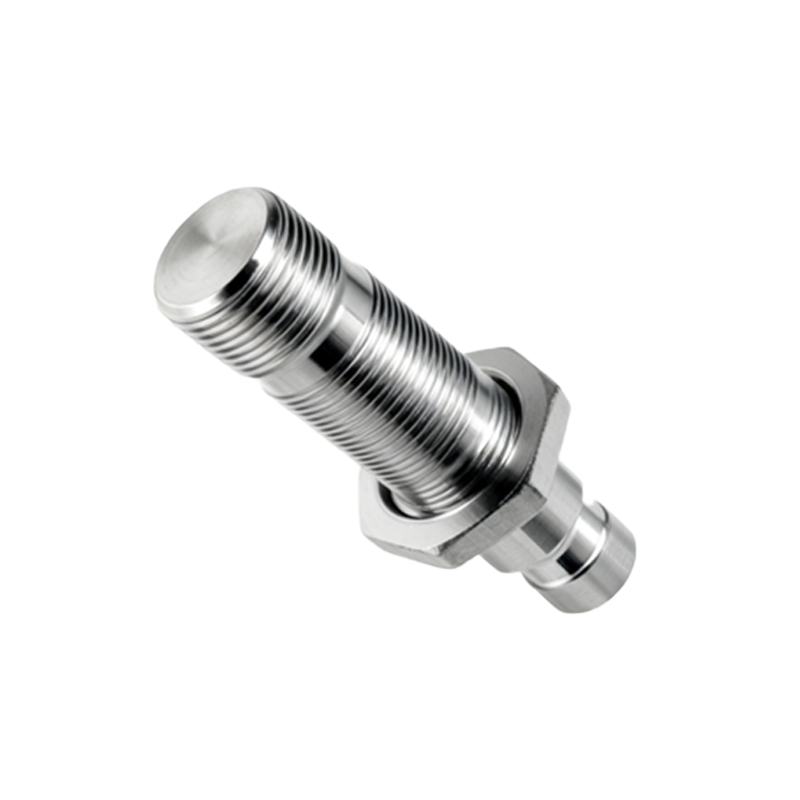
Electrical ratings and housing materials are often abbreviated in sensor codes. IP (Ingress Protection) ratings, such as "IP67" or "IP69K," indicate resistance to dust and water, crucial for outdoor or washdown applications. Material codes like "SS" for stainless steel or "BR" for brass highlight durability against corrosion. Furthermore, temperature tolerances might be shown as "-25°C to +70°C," ensuring operational stability in extreme climates.
In practice, misinterpreting these codes can result in system downtime or safety hazards. For example, using an inductive sensor coded for ferrous metals only on an aluminum part may lead to detection failures. Similarly, installing a PNP sensor in an NPN-designed circuit can cause erratic behavior. Therefore, industry professionals rely on manufacturer catalogs and standards like IEC 60947-5-2 for decoding guidelines. Regular training and updates on coding conventions are essential, as technological advancements introduce new symbols and specifications.
Ultimately, proximity switch sensor codes serve as a universal language in electrical engineering, streamlining procurement and maintenance processes. By mastering this coding system, engineers enhance efficiency, reduce errors, and optimize automation systems for peak performance. As industries evolve toward smart manufacturing, these codes will continue to adapt, integrating digital identifiers for IoT connectivity, but their core purpose—providing clear, concise technical information—will remain vital.