In the realm of industrial automation and control systems, proximity sensors are indispensable components for non-contact detection of objects. Among their various configurations, the Normally Open (NO) action mode is a fundamental and widely utilized operational principle. This article delves into the technical intricacies, applications, and considerations of NO-type proximity sensors, providing a comprehensive guide for engineers and technicians.
A proximity sensor operating in a Normally Open (NO) mode is characterized by its output circuit state when no target is within its sensing range. In this default or "normal" condition, the output switch (which can be a solid-state switch or a relay contact) is open. This means the electrical circuit is incomplete, and no current flows through the output terminals. The sensor is essentially in an "OFF" state. When a valid target enters the sensor's specified detection field, it triggers a change. The sensor's internal circuitry activates, closing the output switch. This completes the circuit, allowing current to flow, and the output transitions to an "ON" state. This transition from open to closed upon detection is the hallmark of the NO action mode.
The underlying technology, whether inductive, capacitive, photoelectric, or ultrasonic, defines what the sensor detects (e.g., metals, liquids, any object) and its range. However, the NO logic defines the electrical response to that detection. For instance, an inductive proximity sensor with NO output will have no output voltage (or will stop sourcing/sinking current, depending on PNP/NPN configuration) when idle. When a metal object approaches, it will provide the output signal.
This behavior is best understood in contrast to its counterpart, the Normally Closed (NC) mode. An NC sensor's output circuit is closed when no target is present and opens when a target is detected. The choice between NO and NC is not merely preference but is dictated by safety, circuit design, and system logic requirements.
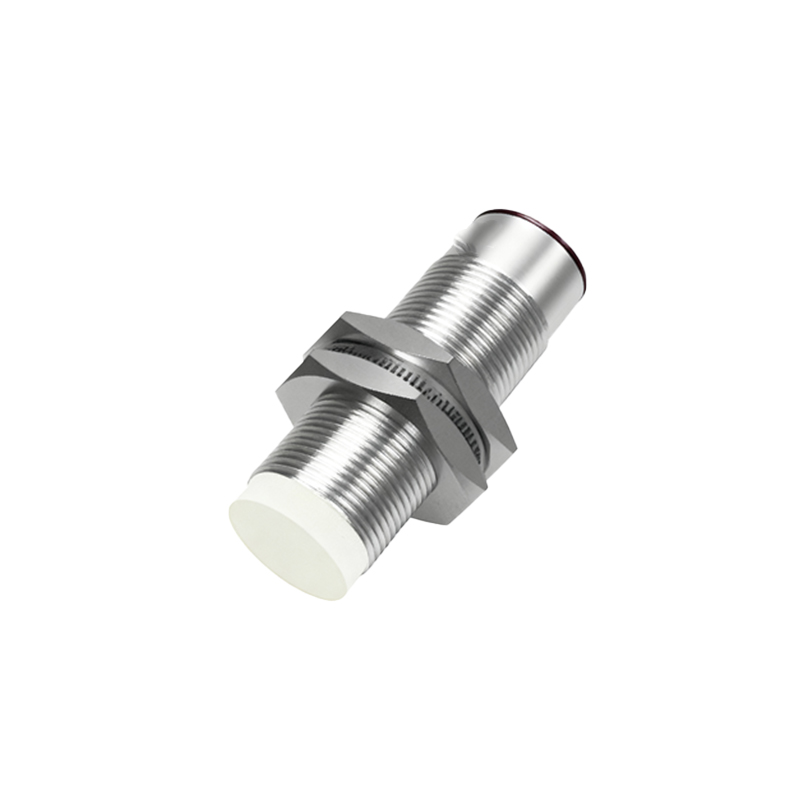
The applications of NO proximity sensors are vast and critical. They are extensively used in:
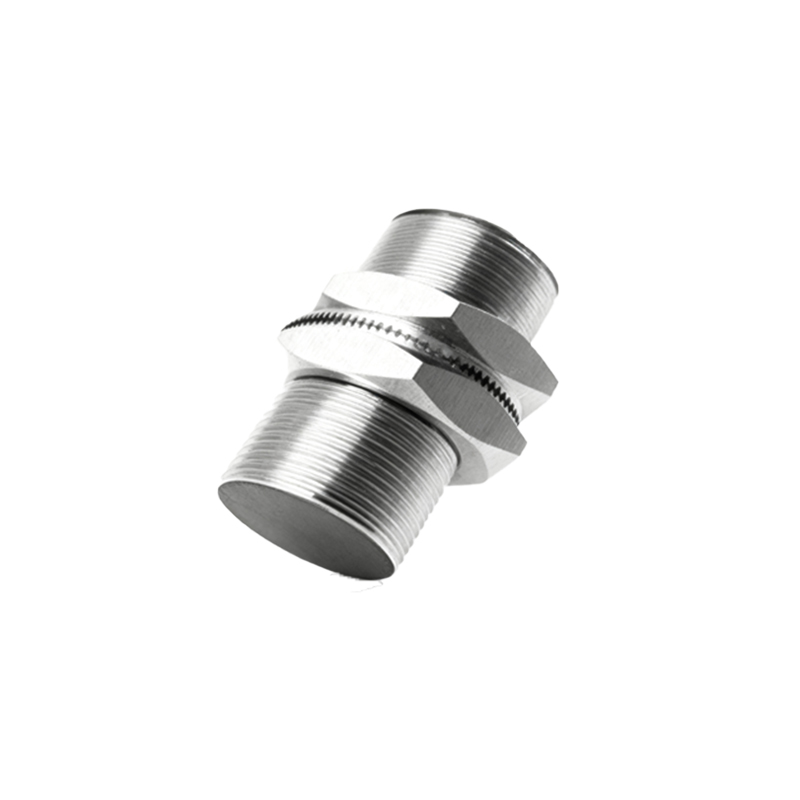
Basic Presence Detection: Signaling the arrival of a part on a conveyor for the next step in a process, such as starting a drill or a robotic gripper.
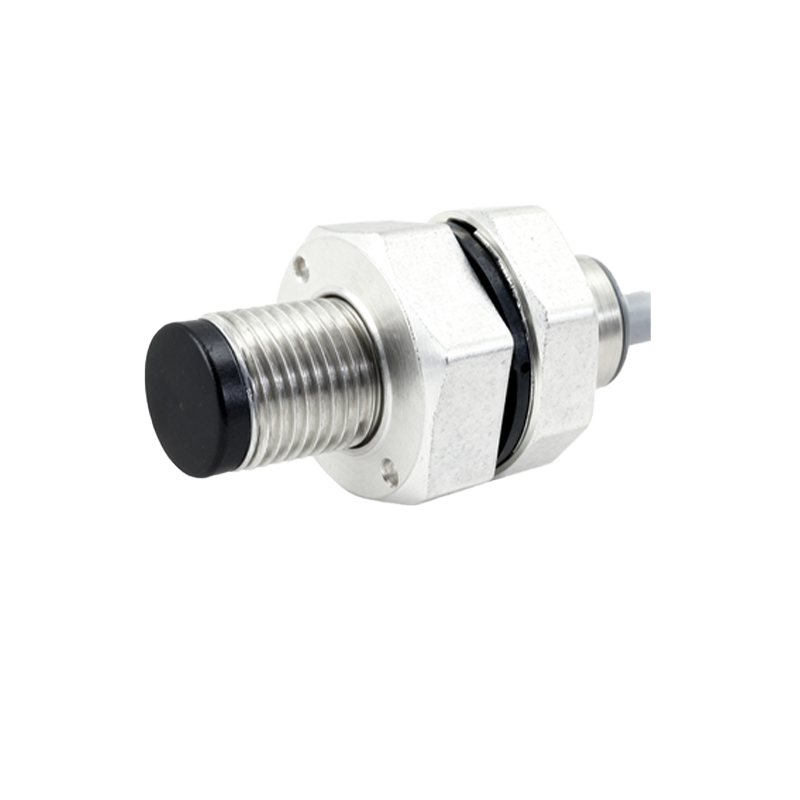
Counting and Sorting: Each detection (pulse from OFF to ON) can be counted by a PLC or counter to track production quantities or sort items.
Safety Interlocks: While NC contacts are often preferred for safety circuits (as a wire break mimics a fault condition), NO contacts are used in certain safety monitoring applications. For example, an NO sensor might monitor a guard door; its transition to ON when the door is properly closed enables the machine to operate.
Process Initiation: Starting a sequence when an object is detected, like initiating a filling operation when a bottle is in place.
Level Control: Capacitive NO sensors can detect the presence or absence of a liquid or material in a tank, triggering pumps or alarms.
From a wiring and interface perspective, NO sensors integrate seamlessly into control logic. In a typical setup with a Programmable Logic Controller (PLC), the NO sensor's output wire is connected to a digital input module. When the sensor is inactive (no target), the PLC input sees a "0" or FALSE state. Upon detection, the input sees a "1" or TRUE state, which the control program can act upon. This direct correlation between physical presence and a logical TRUE signal is intuitive for programming start commands, conditional steps, and sequential operations.
Selecting and applying an NO sensor requires careful consideration of several factors:
1. System Logic and Fail-Safe Design: The core question is: "What should happen if the sensor fails or loses power?" In an NO configuration, a wire break or power loss results in no output signal (OFF state), which may be interpreted as "no object detected." This must be evaluated against the process requirements. For critical functions where a fault must cause a machine to stop, an NC or a dual NO/NC sensor might be necessary.
2. PLC Programming Convenience: Often, the choice is influenced by the simplicity of ladder logic or function block diagrams. An NO contact's behavior aligns naturally with an examine-ON instruction.
3. Electrical Load Compatibility: Ensure the sensor's switching capacity (voltage and current) matches the requirements of the load it controls, whether it's a PLC input, a relay coil, or a small actuator.
4. Sourcing vs. Sinking (PNP vs. NPN): This is a separate concept from NO/NC but crucial for correct wiring. An NO output can be implemented in either a PNP (sourcing) or NPN (sinking) transistor configuration, determining how the output current flows relative to the power supply common.
In conclusion, the Normally Open action mode is a cornerstone of sensor technology,