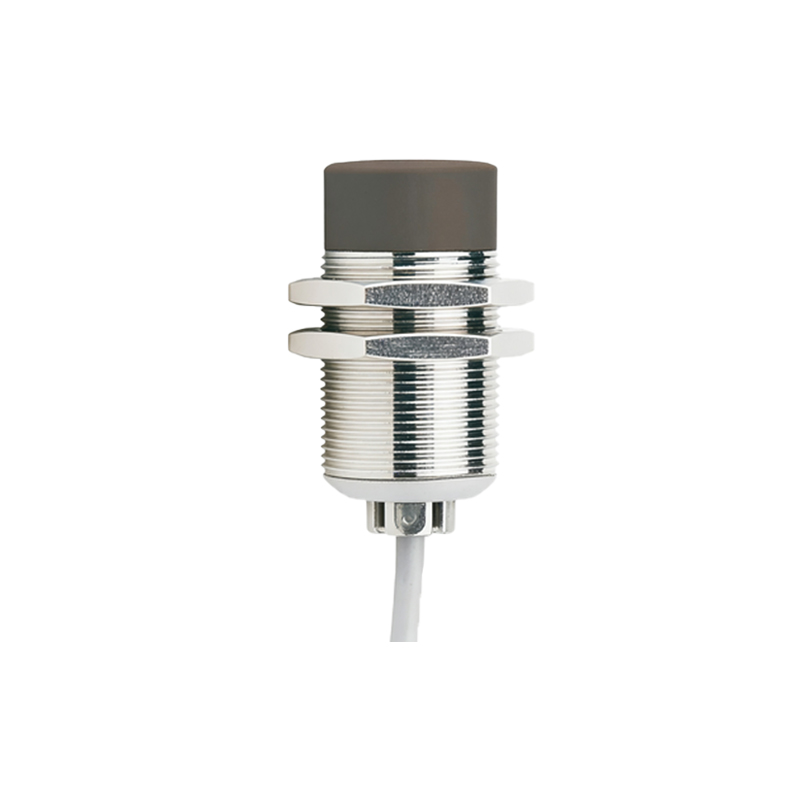
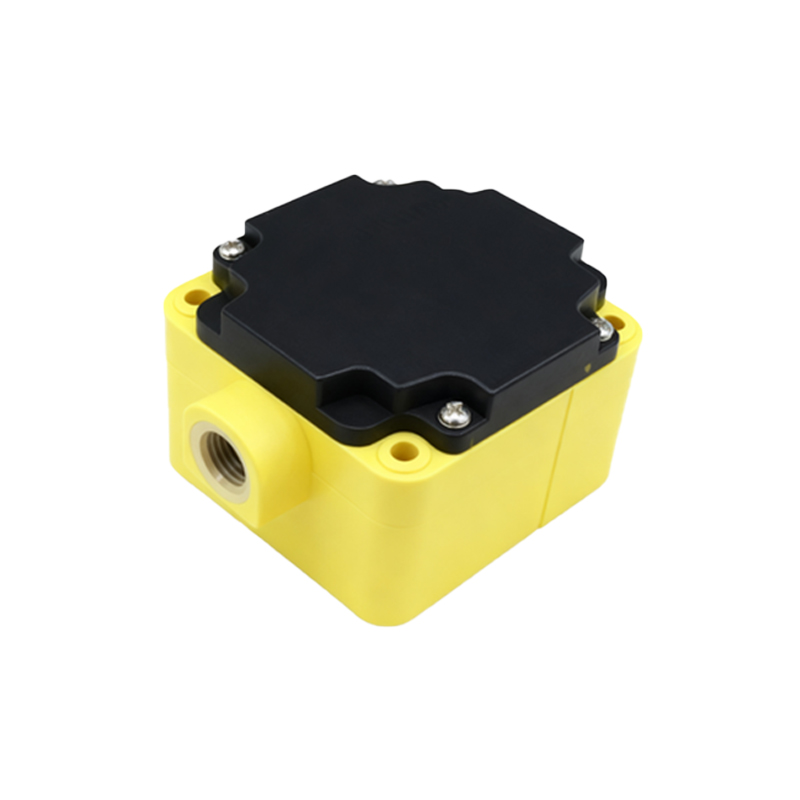
Proximity sensors are indispensable components in modern industrial automation, serving as the critical "eyes" of machinery by detecting the presence or absence of objects without physical contact. Their reliability is paramount for ensuring smooth production lines, robotic accuracy, and overall system safety. However, like all electronic devices, they are susceptible to failures. Understanding the nature, causes, and implications of proximity sensor faults is essential for maintenance engineers and system designers.
A proximity sensor failure fundamentally means the device no longer correctly detects a target within its specified sensing range or outputs an erroneous signal. This malfunction can manifest in several ways. The most common symptom is a complete loss of detection, where the sensor fails to recognize a valid target altogether. Conversely, a sensor might exhibit intermittent operation, working sporadically and causing unpredictable machine behavior. Another failure mode is a "stuck" output, where the sensor's signal remains constantly ON or OFF regardless of the target's position. False triggering is also a prevalent issue, where the sensor activates due to environmental interference, vibration, or unintended metallic objects, rather than the intended target.
The root causes of these failures are diverse and often interlinked. Environmental factors are primary culprits. Accumulation of metallic dust, chips, coolant, oil, or other contaminants on the sensor's active face can attenuate or block its electromagnetic or capacitive field, leading to reduced sensing range or complete failure. Physical damage from mechanical impact, excessive vibration, or misalignment can crack housings, damage internal coils (in inductive sensors), or loosen electrical connections. Electrical problems are equally critical. Voltage spikes, surges, or incorrect power supply voltage can damage internal circuitry. Incorrect wiring, such as short circuits, overloads, or improper grounding, often leads to immediate or gradual degradation. Furthermore, sensor selection errors lay the groundwork for future problems. Using a standard inductive sensor to detect a non-ferrous metal like aluminum may result in a drastically reduced sensing range, mimicking a fault. Similarly, installing a sensor with an insufficient sensing distance for the application, or one not rated for the specific environmental conditions (extreme temperatures, washdown duties), accelerates failure.
The consequences of an undiagnosed proximity sensor fault extend far beyond a single component. In automated assembly lines, it can cause misplacement of parts, leading to jams and costly downtime. In robotic welding or painting cells, a faulty sensor can result in positional errors, creating defective products. In safety-critical applications, such as guarding systems on presses or automated doors, a sensor failure can pose severe risks to personnel and equipment. Therefore, a systematic approach to troubleshooting is vital.
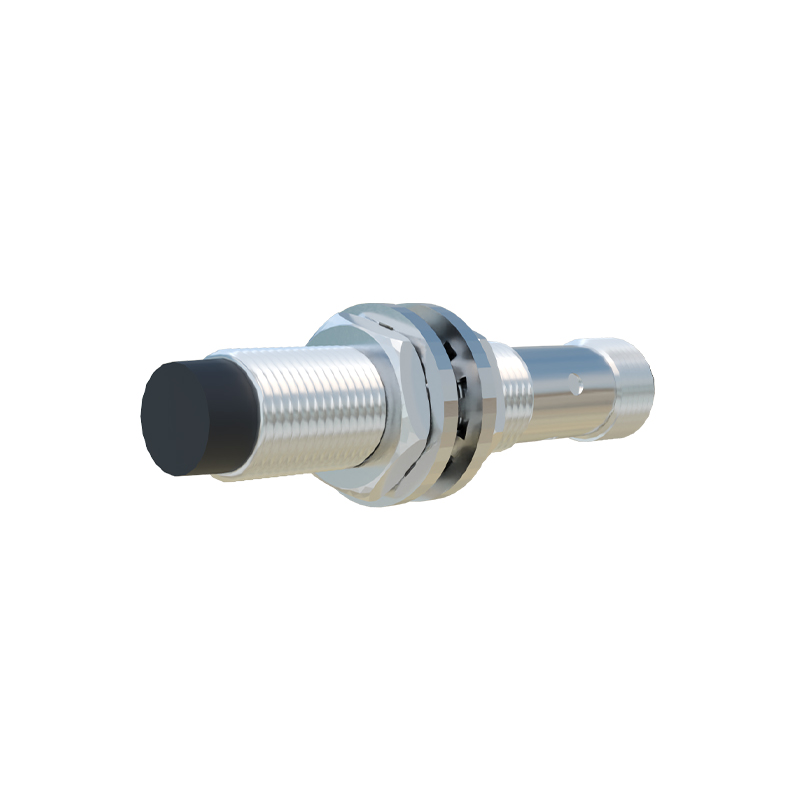
Effective troubleshooting begins with visual inspection for obvious signs of damage, contamination, or misalignment. Checking the power supply voltage and wiring integrity with a multimeter is a fundamental step. Observing the sensor's indicator LED (if equipped) in relation to the target's position can quickly isolate the issue. A reliable method is to substitute the suspected sensor with a known-good unit of the same type; if the problem resolves, the original sensor is faulty. For more advanced diagnostics, oscilloscopes can monitor the output signal's integrity. Prevention, however, is superior to repair. Implementing a robust preventive maintenance schedule that includes regular cleaning of sensor faces, checking mounting stability, and verifying electrical connections can drastically reduce failure rates. Ensuring correct initial selection based on the target material, required sensing distance, environmental IP rating, and output type is the most crucial step in maximizing sensor lifespan and system reliability.
In conclusion, proximity sensor failures are not random events but typically result from identifiable causes such as environmental stress, electrical issues, or improper application. By comprehending the failure modes and adhering to rigorous selection, installation, and maintenance practices, engineers can significantly enhance system uptime, product quality, and operational safety. In the intricate dance of industrial automation, a reliable proximity sensor is a silent guardian, and its proper care is a testament to sound engineering practice.