In the demanding world of foundation engineering and large-scale construction, rotary drilling rigs stand as pillars of productivity. These complex machines are tasked with creating deep, precise boreholes for piles, a critical process that supports everything from skyscrapers to bridges. At the heart of ensuring this precision, alongside robust mechanical design, is a network of sophisticated electronic components. Among these, proximity sensors play an indispensable yet often understated role. These non-contact detection devices are fundamental to modern rig automation, safety protocols, and preventive maintenance strategies.
Proximity sensors in rotary drilling rigs are primarily used to monitor the position and movement of key components without physical contact. The most common types employed are inductive sensors for detecting metallic parts and capacitive sensors for other materials. Their core function is to provide real-time, reliable feedback to the rig's programmable logic controller (PLC) or central control system. This feedback loop is crucial for automated sequencing and preventing mechanical failures. For instance, sensors are strategically placed to monitor the position of the drill head, the extension and retraction of the Kelly bar, the status of the tool locker, and the angle of the mast. By confirming that one operation is complete and the component is in its correct "home" position, the sensor enables the PLC to safely initiate the next step in the drilling cycle. This eliminates reliance on manual checks and significantly reduces the risk of sequencing errors that could lead to collisions, jams, or undue stress on mechanical parts.
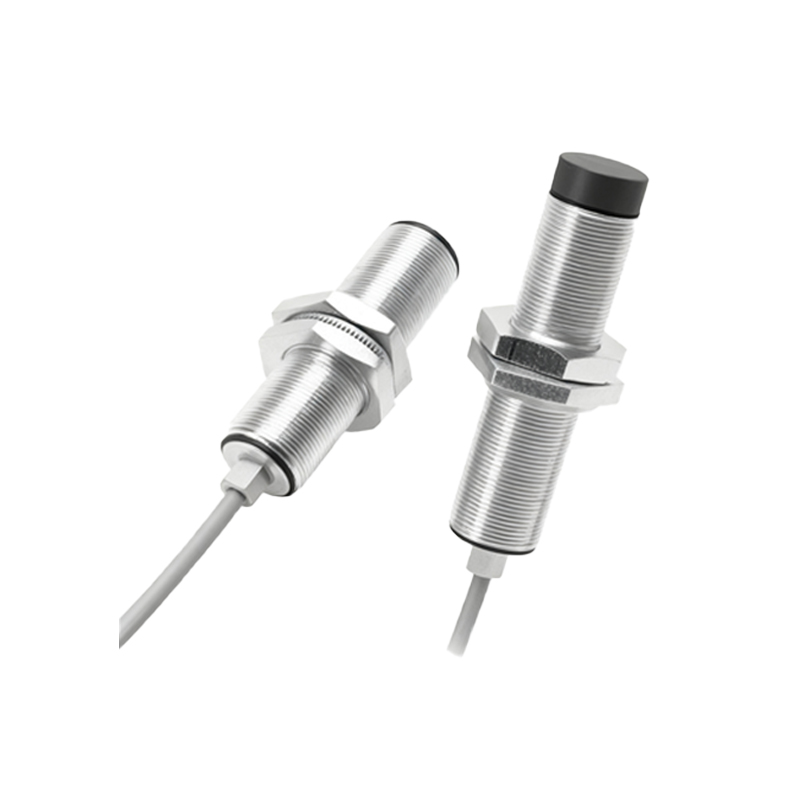
The operational benefits are substantial. First and foremost is enhanced safety. Sensors act as electronic sentinels. A proximity sensor monitoring the rig's slew ring can ensure the upper structure is clear before permitting rotation, safeguarding personnel and nearby equipment. Similarly, sensors on safety gates or access panels can interlock machinery, preventing activation when a hatch is open. Secondly, they contribute directly to precision and consistency. Sensors help maintain verticality by providing feedback for automatic leveling systems and ensure consistent drilling depth by accurately counting the rotations or measuring the travel of the Kelly bar. This leads to higher quality piles and reduces material waste. Thirdly, they are pivotal for condition monitoring and predictive maintenance. Vibration sensors (a type of proximity sensor) on critical bearings or gearboxes can detect abnormal oscillations long before a catastrophic failure. Monitoring the frequency of cycle counts on a hydraulic cylinder can help schedule maintenance before a seal fails. This data-driven approach minimizes unplanned downtime, which is exceptionally costly on major projects.
However, the harsh operating environment of a drilling rig presents significant challenges for these sensitive electronic devices. They are constantly exposed to extreme vibration, shock from drilling into rock, pervasive dust and mud, wide temperature fluctuations, and moisture. Therefore, selecting the right sensor is not merely about function but durability. Industrial-grade sensors with high Ingress Protection (IP) ratings (e.g., IP67, IP69K) are mandatory to resist dust and water ingress. Housing materials must withstand corrosion from soil and additives. Furthermore, electrical robustness is key; sensors must be immune to electromagnetic interference from high-power motors and variable-frequency drives (VFDs) that control hydraulic systems. Shielding, proper grounding, and using sensors with robust signal integrity are essential design considerations.
Installation and maintenance practices are equally critical. Sensors must be mounted securely to mitigate vibration effects, yet allow for minor adjustments to fine-tune the sensing distance. The sensing face must be kept clean from mud buildup, which is a common cause of false readings or failure. A routine inspection checklist should include verifying physical integrity, checking connector seals, and cleaning sensing surfaces. Troubleshooting often involves a multimeter to check supply voltage and output signal, or observing the status LED on the sensor itself in conjunction with the error codes on the rig's control panel.
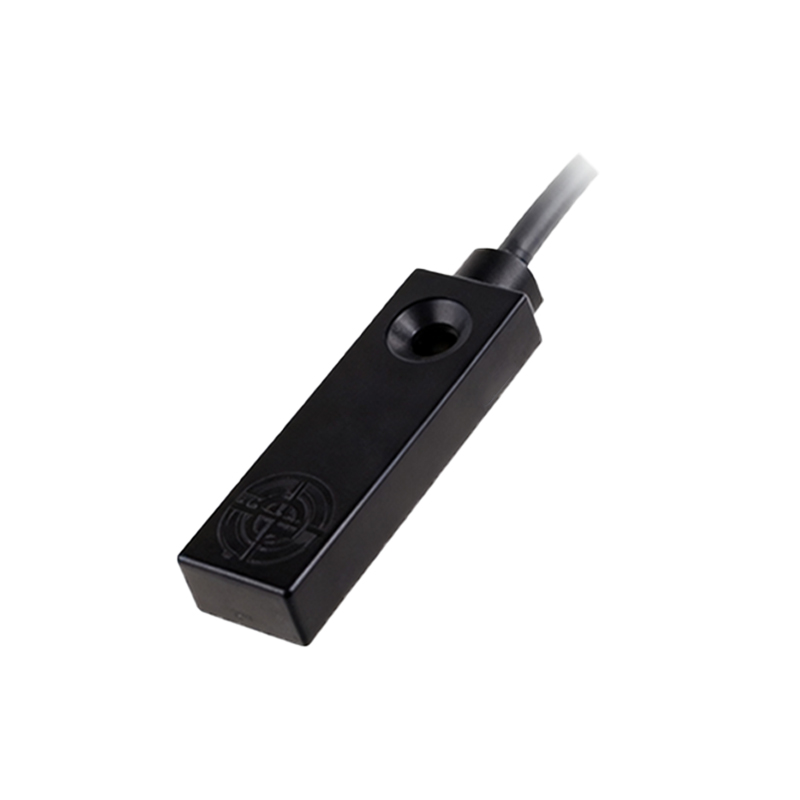
Looking forward, the integration of proximity sensors with Industrial Internet of Things (IIoT) platforms represents the next frontier. Smart sensors with integrated diagnostics can communicate not just a simple on/off signal, but also data about their own health—operating temperature, signal strength, and cycle counts. This information can be wirelessly transmitted to a cloud-based dashboard, enabling fleet managers to monitor the condition of multiple rigs in real-time from a central office, optimizing maintenance schedules across an entire fleet. This evolution from simple detection to intelligent data generation will further solidify the role of proximity sensors as critical enablers of efficiency, safety, and reliability in the ever-advancing technology of rotary drilling.