In the rapidly evolving landscape of industrial automation and smart device integration, the demand for compact, reliable, and efficient sensing solutions has never been higher. Among the most transformative components meeting this demand are ultra-thin proximity switch sensors. These sophisticated devices are redefining design possibilities and operational efficiency across a multitude of sectors, from consumer electronics to heavy machinery.
Ultra-thin proximity sensors are non-contact switches that detect the presence or absence of an object within a specified range without any physical contact. Their defining characteristic is their remarkably slim profile, often measuring just a few millimeters in thickness. This minimalistic design is achieved through advanced engineering and the use of high-density, miniaturized components. Unlike traditional bulky sensors, these slim variants can be seamlessly integrated into tight spaces where conventional sensors would be impractical. Common sensing principles include inductive, capacitive, and sometimes optical technologies, tailored to detect metallic or non-metallic targets with high precision.
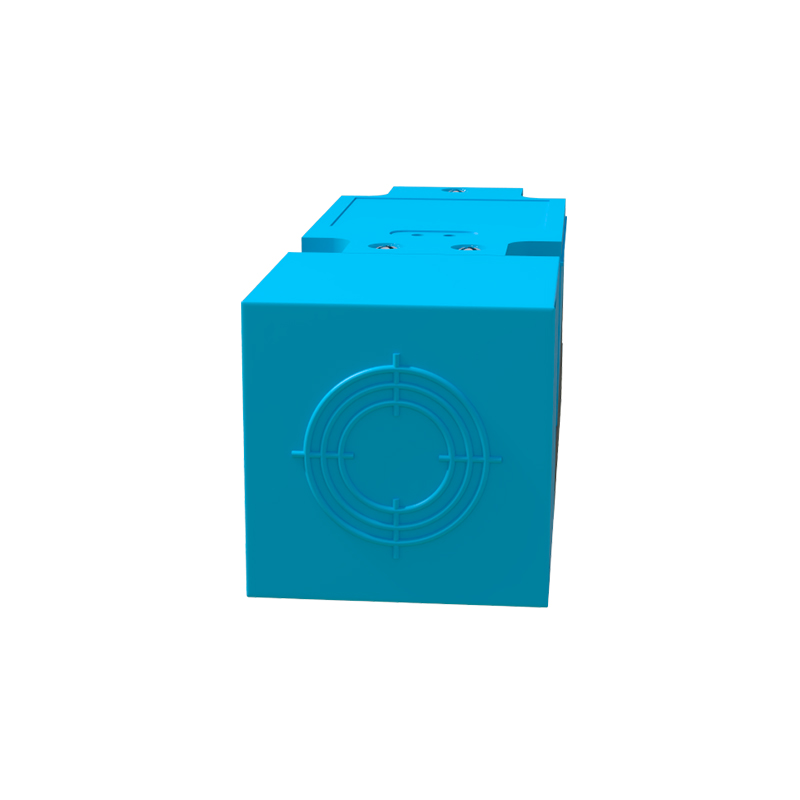
The applications for these sensors are vast and growing. In the consumer electronics industry, they are integral to modern smartphones and tablets, enabling features like automatic screen turn-off during calls or in-pocket detection to prevent accidental touches. The automotive sector utilizes them for smart door handles, seat occupancy detection, and touch-sensitive control panels, contributing to both enhanced safety and a sleek, modern interior aesthetic. Within industrial automation, their thin form factor allows for installation directly on or within machine parts, robotic arms, and conveyor systems for precise object detection, counting, and position verification, even in space-constrained environments.
The advantages of adopting ultra-thin proximity sensors are compelling. Their primary benefit is space savings, enabling more compact and elegant product designs. This miniaturization does not come at the cost of performance; modern ultra-thin sensors offer detection ranges and switching frequencies that rival their larger counterparts. Their non-contact nature ensures virtually wear-free operation, leading to exceptional long-term reliability and reduced maintenance needs. Furthermore, their low power consumption makes them ideal for battery-operated portable devices. The high sensitivity and fast response times are critical for applications requiring rapid and accurate feedback, such as in high-speed assembly lines.
When selecting an ultra-thin proximity sensor for a specific application, several key specifications must be considered. The sensing distance, or the maximum range at which the sensor can reliably detect a standard target, is paramount. The housing material, typically stainless steel or durable polymers, must be chosen to withstand the operational environment, including factors like temperature extremes, moisture, and potential chemical exposure. Electrical characteristics, such as the operating voltage, output type (e.g., NPN/PNP transistor, or analog), and current rating, must be compatible with the control system. Finally, the physical dimensions, especially the thickness and mounting style, must align with the mechanical design constraints of the application.
The future trajectory for ultra-thin proximity sensors points toward even greater integration and intelligence. Ongoing research is focused on enhancing sensing accuracy, reducing power requirements further, and developing sensors with integrated diagnostics and communication protocols like IO-Link. This will facilitate predictive maintenance and easier integration into Industry 4.0 and Industrial Internet of Things (IIoT) ecosystems. As materials science and microelectronics continue to advance, we can anticipate sensors that are not only thinner but also more versatile and cost-effective.
In conclusion, ultra-thin proximity switch sensors represent a critical enabling technology for modern engineering. By offering a powerful combination of minimal size, robust performance, and high reliability, they solve fundamental design challenges and unlock new functionalities. For engineers and designers aiming to push the boundaries of innovation, whether in creating the next generation of consumer gadgets or optimizing complex industrial processes, understanding and leveraging the capabilities of these advanced sensors is no longer optional—it is essential for achieving a competitive edge in an increasingly automated world.