In modern industrial manufacturing, precision thickness measurement is critical for ensuring product quality, optimizing processes, and reducing material waste. Laser sensors have emerged as a leading technology for non-contact thickness measurement, offering high accuracy, speed, and reliability across various sectors such as metals, plastics, glass, and paper production. Unlike traditional contact methods like calipers or micrometers, laser sensors eliminate the risk of surface damage, deformation, or contamination, making them ideal for delicate or high-speed production lines.
The fundamental principle behind laser thickness measurement involves the use of laser triangulation or time-of-flight (ToF) techniques. In triangulation-based systems, a laser diode projects a focused beam onto the target surface. The reflected light is captured by a high-resolution CMOS or CCD detector at a specific angle. By analyzing the position of the laser spot on the detector, the sensor calculates the distance to the surface with micron-level precision. For thickness measurement, two laser sensors are typically arranged opposite each other, measuring the distance to both sides of a material simultaneously. The thickness is then derived by subtracting the sum of these distances from the known fixed distance between the sensors. This configuration allows real-time monitoring even on moving or vibrating surfaces, with sampling rates exceeding 10 kHz.
Time-of-flight laser sensors, while less common for ultra-precise thickness applications, are advantageous for measuring thicker materials or longer ranges. They operate by emitting short laser pulses and measuring the time taken for the reflection to return. Combined with advanced signal processing, ToF sensors can achieve accuracies suitable for construction materials or rolled metal stock.
Key advantages of laser sensors include their ability to handle diverse materials—from reflective metals to transparent films—by adjusting laser intensity, wavelength, or using specialized filters. For instance, blue lasers are often employed for hot metals like steel in rolling mills, as they reduce interference from infrared radiation. Additionally, modern laser sensors integrate features such as automatic calibration, temperature compensation, and Ethernet/IP or PROFINET connectivity for seamless integration into Industry 4.0 environments. Data from sensors can be fed into PLCs or SCADA systems for real-time analytics, enabling predictive maintenance and immediate correction of thickness deviations.
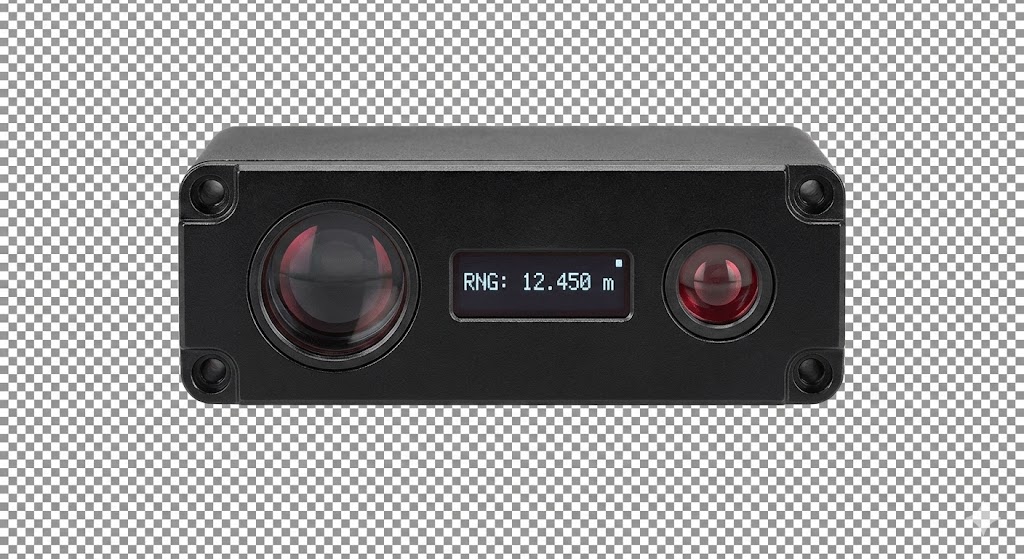
In practice, laser thickness gauges are deployed in continuous production processes like foil manufacturing, where maintaining uniform thickness within tight tolerances (e.g., ±0.1 µm) is essential. In the automotive industry, they ensure consistent coating thickness on brake discs or painted panels, while in electronics, they verify the thickness of semiconductor wafers or flexible circuits. Challenges such as environmental factors (dust, humidity, or oil mist) can be mitigated with protective housings and air purge systems. Regular maintenance, including lens cleaning and verification against reference standards, ensures long-term accuracy.
Looking ahead, advancements in laser technology, such as the integration of AI for adaptive measurement algorithms and miniaturization of sensor components, will further enhance capabilities. As industries strive for higher efficiency and sustainability, laser sensors will continue to play a pivotal role in achieving precise, non-destructive thickness control, driving innovation in quality assurance and smart manufacturing.
